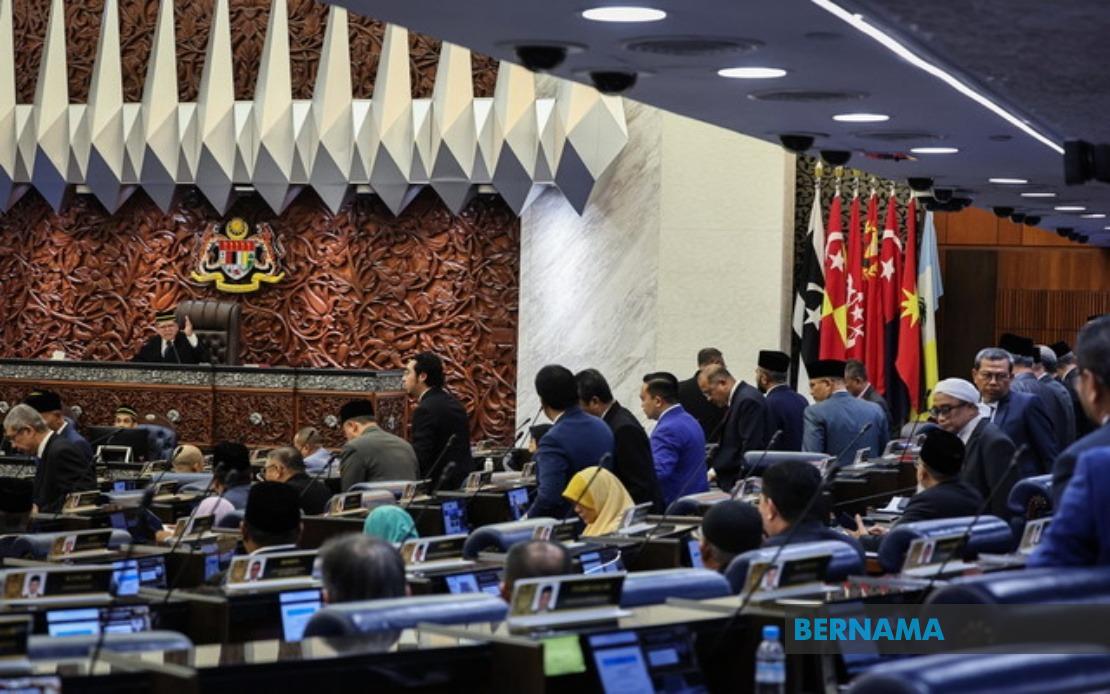
The opposition bench abandoned their seats in the Dewan Rakyat on August 11 to protest a special parliamentary sitting focused on findings from the Royal Commission of Inquiry into Tabung Haji's operations, declining to participate in a ministerial briefing on the matter. Their collective departure marked a visible political rupture over what they considered inadequate representation at a forum designed to address serious questions about the management of the pilgrimage fund, which serves millions of Malaysian Muslims.
The MPs' decision to leave stemmed directly from Dewan Rakyat Speaker Tan Sri Johari Abdul's determination to proceed with the scheduled briefing despite the notable absence of Prime Minister Datuk Seri Anwar Ibrahim. Opposition members interpreted this choice as a diminishment of the briefing's significance and a potential indication that the government was not treating the RCI findings with the appropriate level of urgency or seriousness. In their view, a matter of such consequence—touching on institutional stewardship of funds held in trust for tens of millions of Malaysians—warranted the participation of the nation's chief executive.
Prior to the walkout, Perikatan Nasional opposition chief whip Datuk Seri Takiyuddin Hassan had formally proposed postponing the entire sitting, citing medical circumstances affecting two senior government figures. Both Anwar and Deputy Prime Minister Datuk Seri Fadillah Yusof were undergoing treatment for unspecified health conditions at the time, creating a governance vacuum that the opposition characterised as sufficient reason to reschedule deliberations.
Speaker Johari's response to the mass departure revealed the escalating tensions within the chamber. He granted the opposition MPs permission to leave but framed their exit in terms that questioned their commitment to public accountability. His remarks—suggesting that the public was observing their choices and implying that those departing did not regard the matter as important—carried an unmistakable rhetorical edge. By reframing opposition absent as indifference rather than principled protest, Johari sought to shape public perception of their actions.
Following the walkout, the sitting continued according to its prescribed agenda, with Dr Zulkifli Hasan, the Minister in the Prime Minister's Department (Religious Affairs), delivering the anticipated briefing to the remaining parliamentarians. The continuation reflected government determination to proceed with disclosure of RCI findings regardless of opposition participation, though the empty benches across from the government side served as a visual reminder of the fractured nature of parliamentary discourse on this particular issue.
The Tabung Haji incident highlights deepening procedural and political fault lines in Malaysia's legislature. The opposition's walkout signals their unwillingness to participate in what they perceive as performances of accountability stripped of genuine executive engagement. For Malaysian citizens invested in transparent governance of public institutions—particularly those safeguarding religious endowments and pilgrim savings—the parliamentary theatre of the past weeks raises questions about whether proper scrutiny is actually occurring or merely being enacted.
Tabung Haji has faced mounting scrutiny over recent years regarding financial management, investment decisions, and governance frameworks. An RCI investigation into these operations carries significant weight for stakeholders and the broader public interest. The opposition's argument that such deliberations require the Prime Minister's presence reflects a belief that thorough examination of institutional failings demands engagement from the highest levels of government, not delegation to subordinate officials.
The health-related absences of Anwar and Fadillah merit acknowledgment, yet they also expose structural vulnerabilities in Malaysia's system of checks and balances. When senior figures become unavailable, should critical parliamentary business be suspended, or should succession protocols ensure continuity of governance functions? The government's choice to proceed suggested confidence in the delegation of briefing responsibilities, while the opposition's pushback indicated skepticism about whether subsidiary officials could adequately represent executive accountability.
From a Malaysian governance perspective, this episode underscores the importance of consensus-building around transparency mechanisms. Whether the RCI findings will ultimately drive substantive institutional reform at Tabung Haji remains uncertain, particularly when the very forum designed to examine those findings becomes fractured along partisan lines before substantive debate occurs. The walkout prevented opposition input at a moment when alternative perspectives on the inquiry's conclusions might have enriched parliamentary discourse.
For Southeast Asian observers, Malaysia's experience illustrates how political polarisation can undermine institutional effectiveness even in forums dedicated to investigating institutional failures. When opposition and government cannot agree on basic procedural legitimacy—whether a briefing requires top-tier executive participation—the capacity of parliament to function as a vehicle for genuine accountability diminishes substantially.
The wider implications extend to public confidence in governance itself. Citizens watching parliament grapple with these procedural disputes may reasonably conclude that political theatre has eclipsed substantive oversight. Whether the RCI's work ultimately produces meaningful change at Tabung Haji may depend less on the quality of its investigation than on whether government and opposition can find sufficient common ground to translate findings into reform—a prospect that the August 11 walkout did little to advance.
Moving forward, Malaysian lawmakers face a choice: whether to treat institutional accountability as a shared commitment transcending partisan divides, or to permit political competition to override the democratic imperative of transparent governance. The Tabung Haji RCI report deserves an audience genuinely invested in improvement, not merely performing oversight for public consumption.

