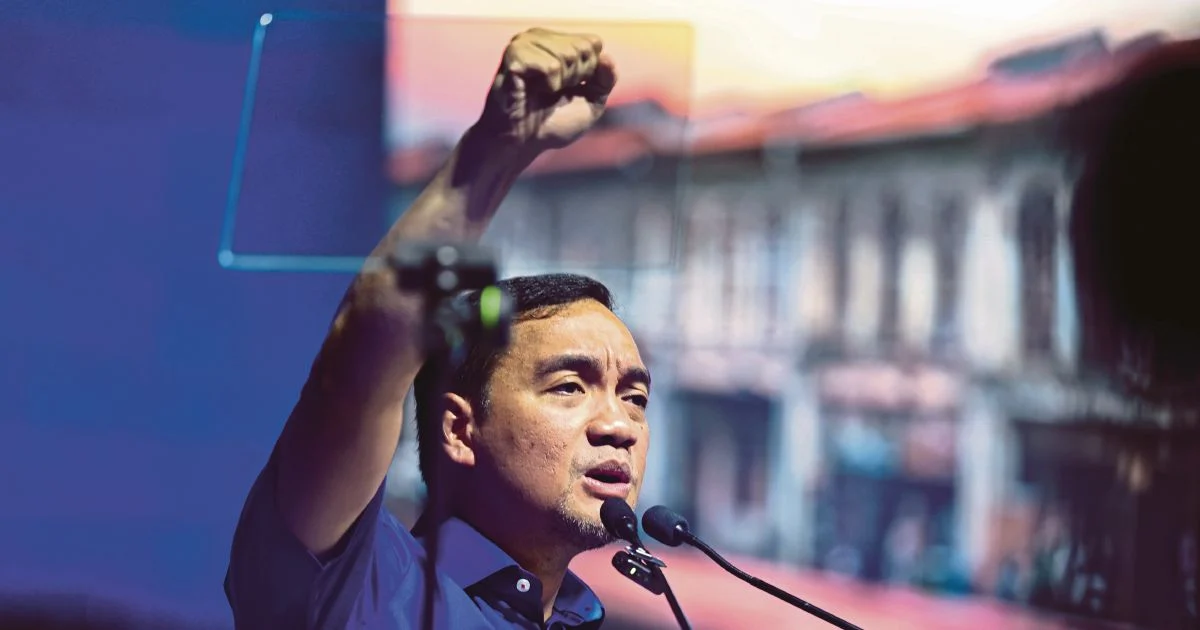
Caretaker Johor Menteri Besar Datuk Onn Hafiz Ghazi will contest the Machap seat in the state election expected to be held imminently, marking his bid to secure the constituency for another term. The decision confirms that the senior politician, who has held the leadership position during the caretaker period preceding the election, intends to remain in the legislative assembly and continue representing the constituency that has formed his political base in Johor Darul Takzim.
Machap, located in the Johor state legislature, has been a political stronghold reflecting the dynamics of state politics in Malaysia's southernmost peninsula. The seat's significance extends beyond its electoral value, serving as a barometer of political sentiment in Johor and influencing the trajectory of state governance. Onn Hafiz's decision to contest indicates confidence in his political standing within the constituency and his ability to persuade voters to renew their mandate.
The upcoming Johor election will reshape the state assembly composition and determine which coalition commands the majority to form government. Multiple political parties and alliances are preparing to contest across various constituencies, including Machap, meaning Onn Hafiz will face competition from challengers seeking to represent the seat. The electoral contest will test whether voters wish to continue backing the politician who has served in his current role or prefer alternative representation.
Onn Hafiz's tenure as Menteri Besar has involved navigating state-level governance during a period requiring political acumen and administrative capability. His performance in managing state affairs, implementing policies, and addressing public concerns will likely feature prominently in campaign narratives. Voters in Machap will weigh his record against opposition candidates' proposals and track records when deciding how to cast their ballots.
The caretaker period, during which Onn Hafiz has continued managing state administration pending the election, typically involves constraints on initiating major policy announcements or projects that might be perceived as using state resources for electoral advantage. This period has allowed potential challengers to build their campaign strategies and mobilise grassroots support without the incumbent wielding the full machinery of state office. The transition from caretaker mode to active campaigning will mark a shift in political dynamics across Johor constituencies.
Machap's demographic composition, voter registration figures, and historical electoral patterns will influence the competitive landscape. Urban and rural segments within the constituency may prioritise different policy areas, requiring candidates to articulate nuanced positions addressing diverse community concerns. Economic development, infrastructure, education, healthcare, and social welfare typically feature in state election campaigns as parties seek to distinguish their approaches to governance.
The Johor election occurs within Malaysia's broader political context, where state elections frequently influence national political calculations and coalition dynamics. Results from Johor may have ramifications for federal-level politics and the strategic positioning of political alliances across the country. Success or failure at the state level can alter political momentum and affect leaders' standing within their respective parties.
Onn Hafiz's political journey has involved navigating complex state politics and building relationships across party structures. His candidacy in Machap represents a continuation of his political career trajectory, though election outcomes remain uncertain until voters have cast their votes. The political environment in Malaysia has demonstrated capacity for surprises, with electoral results sometimes defying predictions and expectations.
Campaign strategies in Machap will likely emphasise candidates' accessibility to constituents, their understanding of local issues, and their capacity to deliver development projects and services. Traditional door-to-door engagement, community meetings, and media appearances will enable candidates to communicate their platforms directly to voters. Digital campaigns and social media will complement conventional canvassing approaches, reaching voters through multiple channels.
The Johor election represents an opportunity for voters to assess state government performance and decide whether to continue existing leadership or mandate change. Electoral choices in state elections carry immediate implications for state administration, budget allocation, and policy priorities over the next term. For Onn Hafiz, defending Machap will determine whether he continues his political presence in the state assembly or exits elected office following the campaign.
Anticipation surrounding the Johor election has built as the date approaches, with various constituencies becoming focus points for political campaigns and media scrutiny. Machap, with Onn Hafiz as the incumbent candidate, will receive attention from observers monitoring the broader state election outcome. The contest in this constituency will contribute to the overall narrative of state politics and the public's preferences regarding governance and representation.

