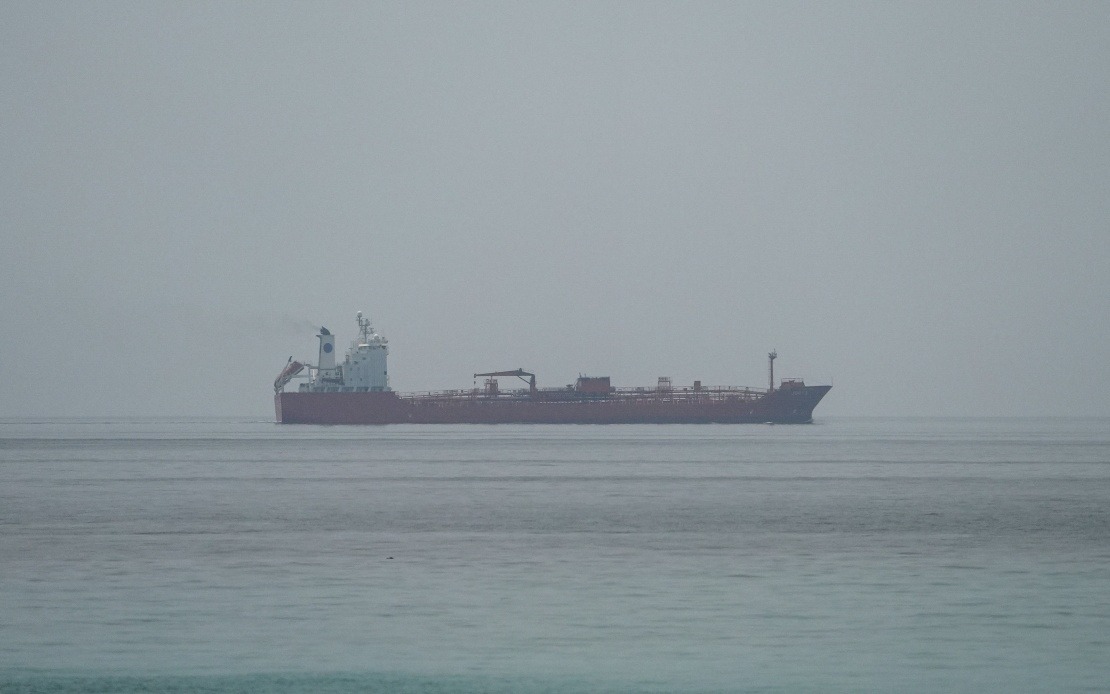
Oman has formally endorsed a sweeping memorandum of understanding reached between Iran and the United States, signalling crucial backing from a strategically positioned Gulf state. Speaking at a joint ministerial gathering between the Gulf Cooperation Council and Washington held in Bahrain, Omani Foreign Minister Badr Albusaidi declared his country's commitment to the accord, emphasising that its success carries profound implications for restoring regional peace and guaranteeing unimpeded maritime movement through one of the world's most economically vital waterways.
The timing of Oman's declaration holds particular weight given the sultanate's geographical position and historical role in regional diplomacy. As a nation bordering the Strait of Hormuz, Oman carries responsibilities that extend beyond ordinary coastal state obligations. Albusaidi underscored this point by referencing Muscat's singular accountability in championing international endeavours focused on safeguarding shipping lanes in accordance with established maritime law and the United Nations Convention on the Law of the Sea. This positioning reflects Oman's careful balancing act between its GCC membership and its independent foreign policy orientation.
Crucially, Albusaidi made an unequivocal commitment that future maritime arrangements governing passage through the strait will not impose any charges or levies on transiting vessels. This guarantee carries significant reassurance for global commerce, as the Strait of Hormuz serves as a critical artery for international energy flows and trade. By explicitly ruling out toll mechanisms, Oman has provided clarity on a point that could otherwise undermine confidence in the new understanding and destabilise shipping practices that have evolved over decades.
The statement came during discussions that form part of the regular consultation framework between the GCC alliance and the United States. These periodic ministerial meetings serve as barometers for regional security discussions, political coordination efforts, and economic partnership development, particularly amid the fluid geopolitical landscape of West Asia. The GCC's collective engagement with Washington reflects the bloc's strategic interest in maintaining balance and predictability across the region.
Oman's endorsement arrives in the context of dramatic escalations that had threatened to spiral into wider regional conflict. In late February, coordinated strikes by the United States and Israel against Iranian targets ignited a cycle of retaliatory strikes that saw Tehran launch attacks against Israel and against regional countries hosting American military installations. These tit-for-tat exchanges created fears of uncontrolled escalation that could severely disrupt maritime commerce and regional stability.
The new Iran-US understanding represents a substantial diplomatic breakthrough following months of intensive shuttle negotiations. Pakistan played a central intermediary role in brokering the 14-point accord, which was formally activated on June 18 after receiving electronic signatures from Iranian President Masoud Pezeshkian and US President Donald Trump. This multilateral mediation demonstrates how constructive third-party engagement can help hostile parties identify common ground and establish frameworks for de-escalation.
The agreement encompasses several transformative provisions designed to reduce regional tensions systematically. Among its key components are commitments to cease military hostilities across multiple theatres of conflict, including the volatile situation in Lebanon where proxy forces and state actors have engaged in repeated confrontations. The accord additionally mandates reopening of the Strait of Hormuz, which carries strategic significance for both regional economies and the broader international energy supply system. Furthermore, the understanding includes provisions for the United States to lift its naval blockade operations against Iranian shipping, removing a source of ongoing friction and economic pressure.
For Malaysian stakeholders and Southeast Asian economies more broadly, Oman's assurances hold tangible implications. The region's reliance on stable energy supplies and efficient maritime corridors makes developments affecting the Strait of Hormuz directly consequential. Any disruption to shipping through this chokepoint, whether through military confrontation or imposed financial barriers, would ripple through energy markets and supply chains that Southeast Asia depends upon. Malaysia's significant role as a shipping hub and its exposure to global energy price fluctuations mean that regional de-escalation efforts merit close attention.
Oman's careful diplomatic positioning throughout this episode reflects the sultanate's traditional role as a neutral mediator and bridge-builder within Gulf affairs. Unlike some GCC members who take more assertive stances toward Iran, Oman has historically maintained more pragmatic engagement channels with Tehran. This background makes Albusaidi's public backing for the new understanding particularly influential, as it signals that even traditionally cautious regional players view the accord as genuine progress toward stability.
The success of this understanding will ultimately depend on all parties adhering to commitments and resisting provocations that could undermine the fragile détente. Oman's explicit guarantee regarding transit fees represents more than mere rhetoric—it codifies expectations that will become reference points for evaluating compliance. Should any attempts emerge to monetise Hormuz passage contrary to these assurances, Oman's credibility as a guarantor would be tested.
Looking forward, the trajectory of Iran-US relations and broader regional dynamics will determine whether this understanding represents a durable recalibration or merely a temporary pause in long-standing tensions. The GCC's continued coordination with the United States on security matters suggests that Western powers remain invested in reinforcing the agreement. However, domestic political pressures within both the United States and Iran, alongside the actions of non-state actors and regional allies, could yet complicate implementation.
Oman's public commitment to maintaining free passage through the Strait of Hormuz provides a measure of assurance that at least one significant regional actor is prepared to stand behind the new understanding. For the global shipping community and energy consumers throughout Asia, including Malaysia, such reassurances carry genuine value in restoring confidence in regional stability and the uninterrupted flow of commerce through this indispensable maritime corridor.

