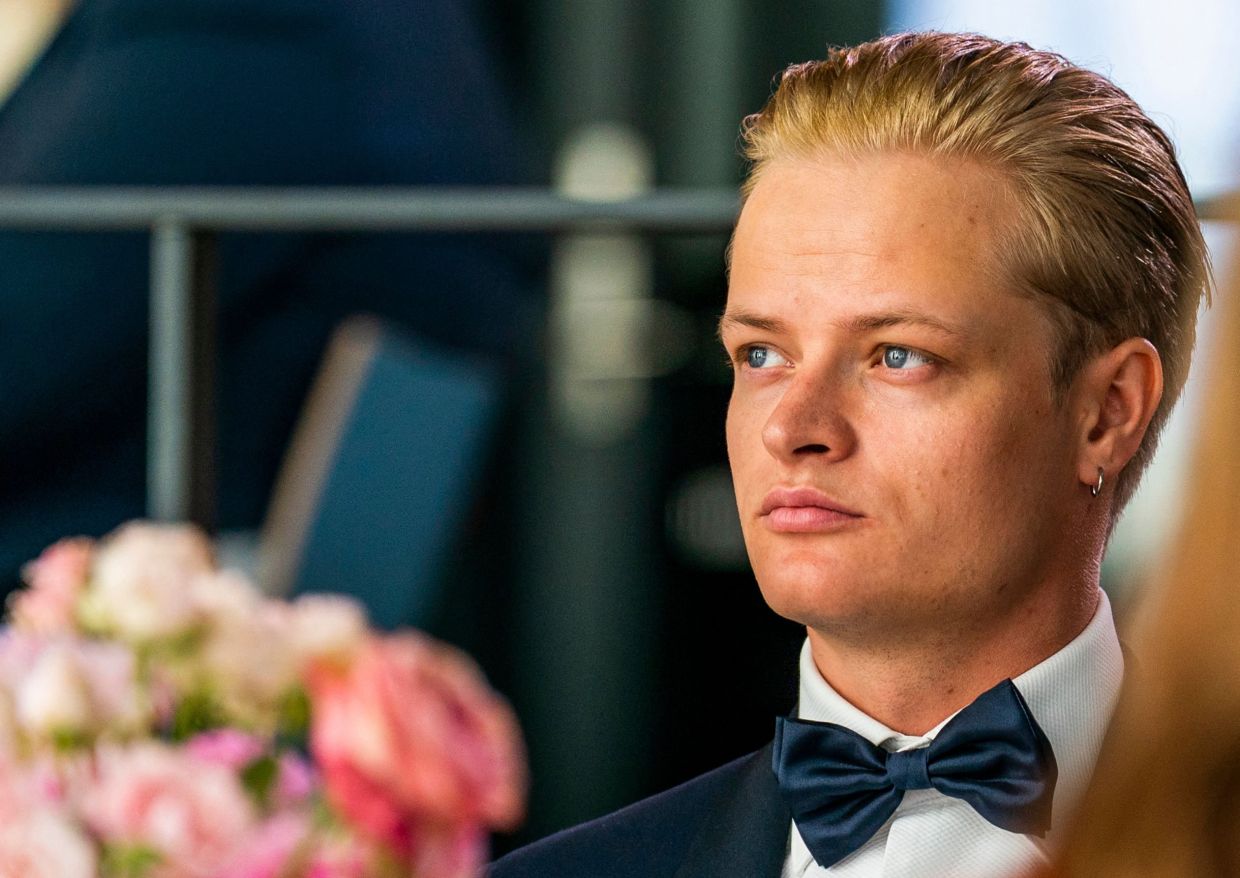
The eldest son of Norway's Crown Princess Mette-Marit has received a four-year prison sentence following his conviction on rape and assault charges, a verdict that concludes one of Scandinavia's most closely watched criminal trials in recent memory. Marius Borg Høiby, 29, was found guilty of two of four rape allegations and convicted of additional offences involving assault and domestic abuse. The Oslo District Court delivered its judgment on Monday, marking the culmination of a six-week trial that captivated international media due to the defendant's proximity to Norway's royal lineage.
The charges against Høiby stemmed from alleged sexual assaults against four women occurring between 2018 and 2024, with prosecutors arguing that the victims were either asleep or otherwise incapacitated at the time of the incidents. The court ultimately accepted prosecutorial arguments on two rape counts whilst rejecting the remaining two allegations. Beyond the rape convictions, Høiby faced a comprehensive array of 40 criminal charges encompassing assault, drug-related offences, and violations of restraining orders. His admission to several lesser charges aided the court in constructing its overall narrative of culpability, though he maintained his innocence regarding the sexual assault allegations throughout proceedings.
The sentence imposed—four years imprisonment—represents a middle ground between the prosecution's request for seven years and seven months and the defence's argument for no more than eighteen months. Sentencing guidelines in Norwegian criminal law typically account for aggravating and mitigating circumstances, and the court's decision suggests recognition of serious wrongdoing whilst potentially considering factors such as Høiby's cooperation on admitted offences and the extended nature of the investigation. Beyond the custodial sentence, the court ordered Høiby to provide financial compensation to his victims, acknowledging the material and psychological harm they sustained.
The trial's centrepiece involved testimony from multiple accusers alongside documentary evidence retrieved from Høiby's mobile telephone, including messages, photographs, and video recordings that substantiated key aspects of the prosecution's case. This evidentiary foundation proved persuasive to the court in establishing guilt on the two rape convictions, despite the defence's attempts to challenge the credibility and interpretation of such materials. The six-week hearing process allowed extensive examination of circumstances surrounding each alleged incident, with the court ultimately finding sufficient proof beyond reasonable doubt for two of the four sexual assault charges.
Høiby's absence from the courtroom during verdict delivery—attributed to health concerns—added another layer of procedural complexity to proceedings already laden with legal and public significance. Instead of appearing in person, he observed the reading of the judgment via video link from his place of detention, a situation permitted under Norwegian criminal procedure when medical or other substantive reasons preclude physical attendance. This arrangement underscored the unusual nature of a case involving a member of the extended royal household, where security, privacy, and protocol considerations intersect with standard judicial processes.
The conviction carries significant implications for the Norwegian royal family, whose public standing depends substantially on perceptions of integrity and moral authority. Although Høiby holds no official royal title and performs no ceremonial duties, his upbringing within the Crown Prince's household and his maternal connection to the line of succession ensure that his actions reflect upon the institution itself. Crown Princess Mette-Marit, his mother, entered her relationship with Crown Prince Haakon with Høiby already born from a previous partnership, a circumstance generally accepted within modern Scandinavian society yet which has occasionally attracted scrutiny from traditionalists.
The timing of the verdict coincides with deteriorating health conditions affecting Crown Princess Mette-Marit herself, who suffers from pulmonary fibrosis and awaits a lung transplant. Her medical situation added pressure to pre-trial legal arguments concerning whether her son should receive temporary release pending judgment, with appeals courts ultimately ruling that detention should continue. The intersection of her health challenges with her son's criminal proceedings has created an unusually delicate moment for the Norwegian monarchy, demanding careful navigation of compassion, institutional dignity, and legal principles.
Additionally, the trial has revived public discussion regarding Crown Princess Mette-Marit's past associations with Jeffrey Epstein, the American financier and convicted sex offender who died in custody in 2019. Disclosures about her previous contacts with Epstein prompted her to issue a public apology, characterising her judgment in maintaining the relationship as flawed. Norwegian and international media outlets highlighted these connections as the rape trial progressed, though Mette-Marit faces no criminal allegations herself and authorities have indicated no suggestion of wrongdoing on her part.
The sentence is not final, as Høiby retains the right to appeal the court's decision to higher judicial authorities. Norwegian appellate procedure allows for comprehensive review of both factual findings and legal conclusions, meaning the four-year imprisonment could potentially be modified upwards or downwards depending on how appellate courts assess the trial record. This appellate avenue represents a standard safeguard within the Norwegian criminal justice system, ensuring that significant convictions receive scrutiny beyond the trial court level.
For Malaysian and Southeast Asian observers, the case illuminates broader questions about accountability within elite families and the extent to which proximity to power influences how justice systems operate. While Norwegian courts have demonstrated their independence in convicting and sentencing a member of the extended royal family, the case serves as a reminder that judicial impartiality remains under constant examination whenever prominent figures face criminal proceedings. The conviction suggests that Scandinavian justice systems, despite their reputation for fairness, face domestic and international pressure to ensure that outcomes reflect genuine legal merit rather than status considerations, a tension that resonates across democratic societies regardless of geography.