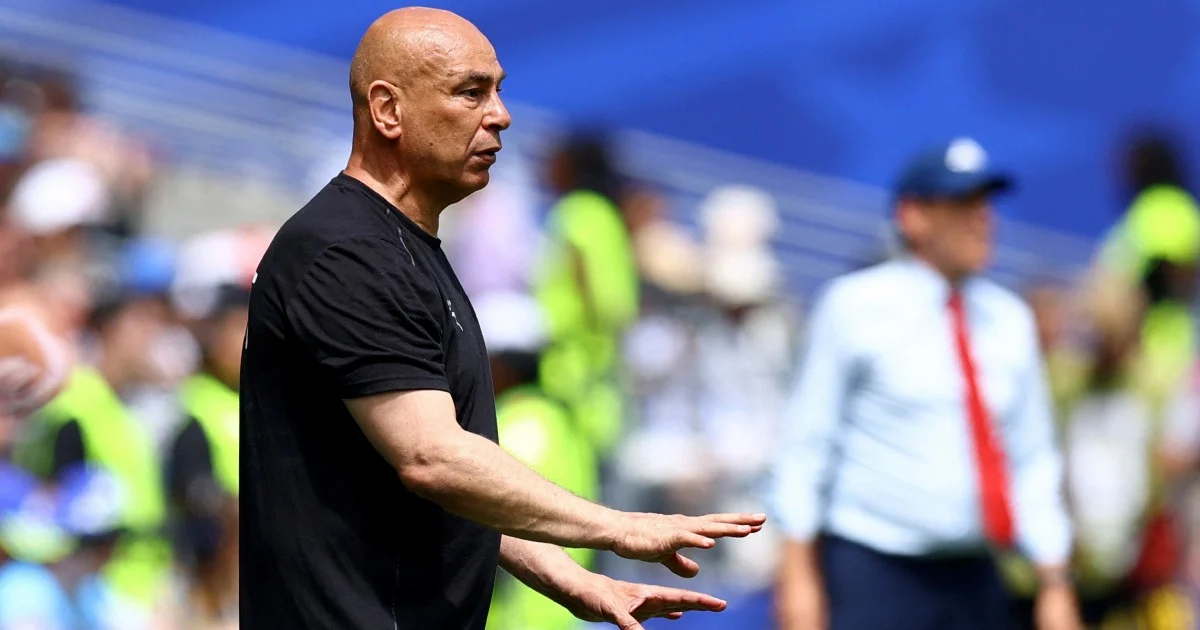
With their World Cup ambitions hanging in the balance, Egypt's coaching staff has moved swiftly to quell mounting speculation about internal discord, with manager Hossam Hassan categorically denying any friction between the team and its principal attacking weapon, Mohamed Salah. Speaking ahead of Sunday's Group G showdown against New Zealand at BC Place in Vancouver, Hassan sought to reassure observers that despite circulating reports of unease, the Egyptian squad remains cohesive and focused on the task at hand. The denial underscores the heightened pressure surrounding the North African nation's campaign, where every development—whether on or off the field—is scrutinised for signs of fragmentation.
The timing of Hassan's statement arrives at a critical juncture in Egypt's tournament trajectory. Group G presents a genuine opportunity for the African representatives to progress, yet the window for securing vital points remains tight. Sunday's encounter with the New Zealanders represents not merely a match but a crossroads moment that could define whether Egypt's World Cup odyssey flourishes or falters. Hassan's insistence that internal harmony prevails suggests the coaching staff recognises that any perception of discord could prove psychologically destabilising—both within the dressing room and in the court of public opinion back home.
Mohamed Salah's centrality to Egypt's tactical architecture cannot be overstated. The Liverpool forward has long been the focal point of the team's attacking plays, a player upon whom immense creative and finishing responsibility falls. When questions emerge about any player of Salah's stature and importance, they ripple through every aspect of team morale and operational strategy. Hassan's preemptive clarification serves as a message not only to the international media contingent but also to stakeholders in Egypt who will be monitoring developments with intense interest.
The broader context of Egyptian football reveals a nation with profound World Cup aspirations. Egypt has never won the tournament, though the country harbours genuine ambitions of becoming a champion on the global stage. Such historical context lends additional weight to every statement from the coaching staff and every performance on the pitch. The squad's unity becomes not merely a matter of tactical convenience but a matter of national pride and collective determination.
Hassan's categorical dismissal of the unrest narrative suggests confidence in the team's preparation and mindset. By publicly addressing and rejecting speculation rather than allowing it to fester unanswered, the coach adopts a proactive communication strategy designed to starve such rumours of oxygen. This approach reflects an understanding that in the modern football environment, where information travels instantaneously and social media amplifies every whisper, silence or evasiveness can paradoxically intensify rather than diminish scrutiny.
The stakes surrounding Egypt's New Zealand fixture extend beyond the immediate three points on offer. Group composition and remaining fixtures mean that results here will establish the foundation for knockout qualification prospects. Against a New Zealand side looking to upset expectations, Egypt cannot afford any internal distraction or fractured focus. Hassan's comments effectively serve notice that the squad enters the match with unified purpose and that questions about cohesion should be laid to rest.
For Malaysian and Southeast Asian observers, Egypt's World Cup journey carries particular interest given the universal appeal of Mohamed Salah, whose performances in European football have cultivated a vast regional following. When one of Asia's most admired and respected footballers is involved in a high-profile international campaign, supporters throughout the region naturally invest emotional interest in the outcome. Any suggestion of internal strife within Egypt's setup thus becomes a matter of wider regional curiosity.
Hassan's experience and reputation provide some ballast to his reassurances. A former Egyptian international himself, the coach commands respect within football circles and brings credibility to his assertions about squad dynamics. His willingness to address controversy head-on, rather than dodge difficult questions, may itself reassure observers that leadership is firmly in control and that any issues—real or imagined—have been identified and resolved.
Looking forward, Egypt faces a challenging but navigable path in Group G. The defeat of perceptions of internal discord represents an important psychological victory, one that hopefully translates into on-field performance against New Zealand. As the tournament progresses, Egypt will rely on the very unity that Hassan insists already exists. Whether that unity proves sufficient to achieve the historic breakthrough the nation desperately craves will be determined not by what coaches say in press conferences but by what unfolds across ninety minutes of intense international football.

