Bishnu Prasad Paudel, who previously served as finance minister in Nepal, was taken into custody late Monday following investigations into allegations of money laundering, according to statements released by police in Kathmandu. The arrest represents a significant escalation in the government's effort to hold officials from past administrations accountable for financial misconduct and improper handling of state resources.
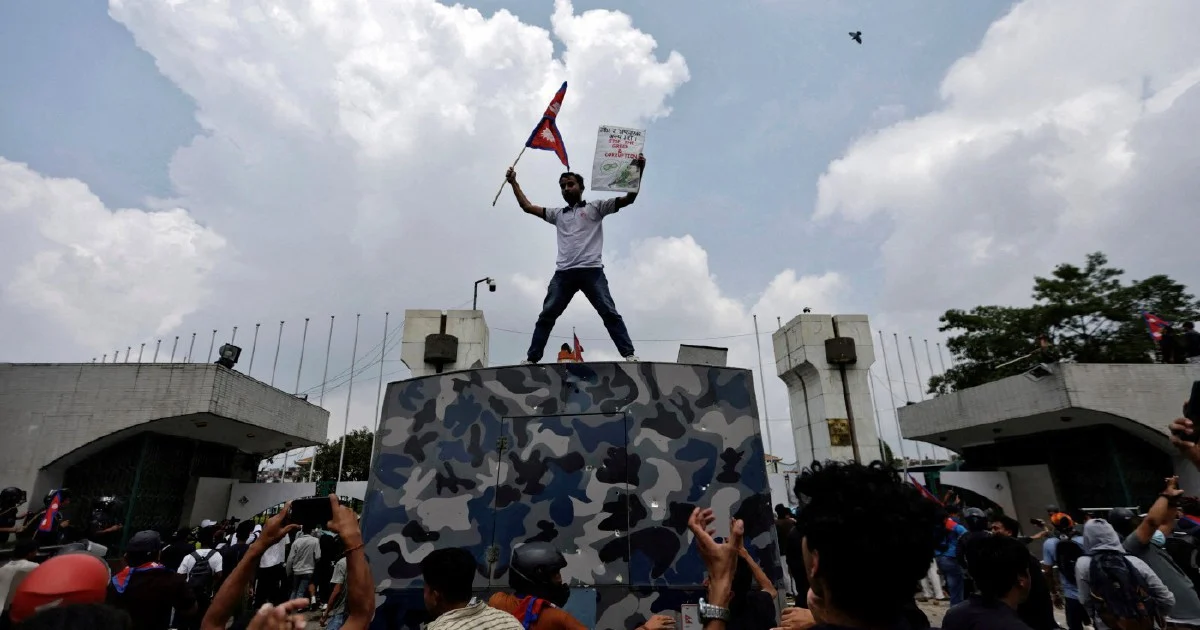
The arrest occurs within a broader context of Nepal's political transformation. The current administration, which draws substantial backing from Generation Z voters and younger citizens, has made anti-corruption enforcement a cornerstone of its governance agenda. This generational shift in political power has coincided with a more aggressive stance toward investigating high-profile figures from predecessor governments, signalling a departure from previous administrations' approaches to accountability.
Paudel's case represents one of several investigations targeting senior officials from earlier governments. The financial allegations against him involve the movement and concealment of funds through irregular channels, typical of money laundering investigations. Such probes in Nepal have historically been complex, involving tracing capital flows across financial institutions and identifying unexplained asset accumulation.
The timing of Paudel's arrest underscores Nepal's ongoing struggle with institutional corruption, a persistent challenge that has hampered the nation's economic development and deterred foreign investment. International financial institutions and bilateral partners have repeatedly urged Nepali authorities to strengthen anti-corruption measures and pursue high-level cases with consistency and transparency. The government's current actions suggest a willingness to engage with these international expectations.
For Malaysia and other Southeast Asian nations, Nepal's approach offers instructive lessons about post-transition governance. When political systems undergo generational shifts or leadership changes, new administrations often pursue previous officeholders to consolidate power and satisfy voter demands for accountability. The challenge lies in ensuring such investigations remain grounded in genuine evidence and legal procedure rather than becoming tools for political revenge, which can undermine institutional credibility.
Nepal's financial sector has long grappled with weak compliance infrastructure and limited capacity in anti-money laundering enforcement. The country remains on various international watchlists regarding financial transparency standards. Paudel's arrest, if pursued vigorously through the judicial system, could signal meaningful progress, though past experience suggests that high-level corruption cases often face significant delays and procedural complications.
The arrest also reflects broader regional trends in South Asia where governments have intensified efforts against financial crimes following international pressure and domestic demands for transparency. However, observers note that arrest alone does not guarantee prosecution or conviction. Nepal's judicial system faces substantial backlogs, and cases involving politically connected figures frequently experience complications or extended timelines.
For regional business communities and international investors monitoring Nepal's governance trajectory, the arrest sends mixed signals. On one hand, it demonstrates apparent willingness to investigate senior officials. Conversely, questions remain about whether such actions represent genuine institutional reform or politically motivated selective enforcement. Consistent application of anti-corruption laws, regardless of an official's political affiliation, is essential for building credibility with international stakeholders.
The investigation into Paudel's financial activities likely involves coordination between Nepal's police authorities, financial intelligence units, and potentially international partners. Money laundering investigations typically require examining banking records, property transactions, and business dealings accumulated over extended periods. The complexity of such probes explains why initial arrests often precede formal charges by weeks or months.
Nepal's experience underscores a pattern common throughout South and Southeast Asia: political transitions frequently trigger investigations into predecessors, but translating these into sustained institutional change proves far more challenging. Sustainable anti-corruption progress requires independent judiciary capacity, specialized financial crimes prosecution units, and protection for investigators from political pressure. These institutional prerequisites remain underdeveloped across much of the region.
The broader implications for Nepal's development agenda are significant. Foreign direct investment and international lending decisions increasingly factor in governance and corruption risk assessments. Demonstrable progress in pursuing financial crimes at the highest levels can gradually improve Nepal's standing with multilateral institutions and bilateral partners. However, the credibility of such efforts depends on consistent application and transparent outcomes.
As the investigation proceeds, observers across South Asia will monitor whether Nepal's institutions can deliver credible justice or whether political considerations ultimately determine the case's trajectory. The precedent established through Paudel's case will likely influence both public confidence in anti-corruption efforts and the government's legitimacy among its Gen Z constituency that propelled it to power.

