The 16th Negeri Sembilan state election formally launched on July 18 with the nomination process occurring simultaneously across eight designated centres throughout the state, beginning at 9 am. Candidates had a one-hour window to lodge their nomination papers with Returning Officers before the roster of qualifying contenders would be officially released, signalling the transition into the official campaign phase. This procedural step, though administrative in nature, marks a critical juncture in the democratic process, establishing the formal contest for Negeri Sembilan's governance mandate.
Following candidate verification, the contest enters a concentrated 14-day campaign window extending through July 31 at 11.59 pm, as mandated by the Election Commission. This compressed timeframe compresses intense political activity into two weeks, forcing parties to maximise their outreach efforts through rallies, door-to-door canvassing, and media engagement. The schedule reflects Malaysia's electoral framework, where campaign periods remain relatively brief compared to some global democracies, placing a premium on organisational efficiency and messaging clarity among competing coalitions.
The election timetable had been set following the dissolution of the Negeri Sembilan State Legislative Assembly on June 5, an action authorised by Tuanku Muhriz Tuanku Munawir, the Yang Dipertuan Besar of Negeri Sembilan. Early voting has been designated for July 28, accommodating military and police personnel unable to vote on the main polling day of August 1. This staging allows essential services to maintain operational continuity while ensuring all eligible voters can participate in the electoral exercise.
Preparation levels indicated substantial candidate interest, with the Election Commission confirming that 464 nomination forms had been distributed as of the day before nominations opened. Seventy prospective candidates had already paid their mandatory election deposits, signalling their serious intent to contest. These figures suggest competitive races across multiple constituencies, though the final tally would only become apparent after the nomination verification process concluded.
Demographically, the electoral register encompasses 889,490 qualified voters across Negeri Sembilan, constituting 867,151 ordinary voters, 16,884 military personnel and their spouses, and 5,455 police officers and their spouses. This composition reflects Malaysia's inclusive franchise while acknowledging the distinct needs of uniformed services personnel requiring alternative voting arrangements. The voter base determines the ultimate scale and scope of the electoral contest, shaping campaign strategies and resource allocation across participating parties.
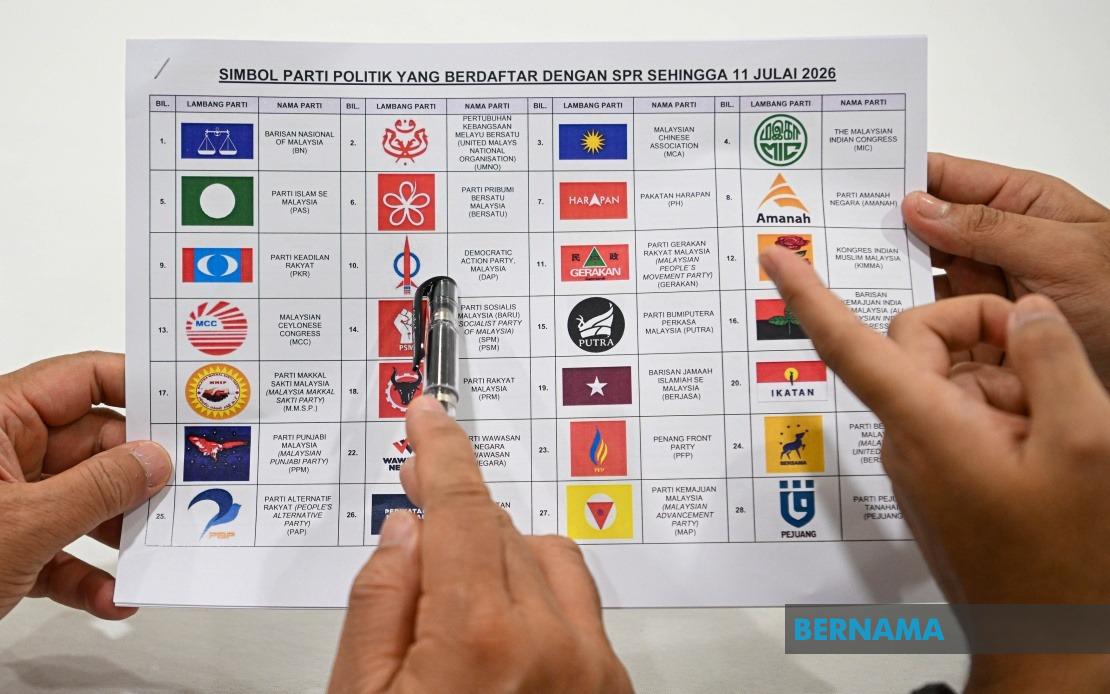
Pakatan Harapan adopted the most expansive fielding strategy, contesting all 36 state assembly seats available in Negeri Sembilan. Barisan Nasional, the long-governing coalition, fielded candidates in 25 seats, representing a selective approach to battleground selection. Perikatan Nasional, the newer federal ruling partner, contested 11 seats, while Parti Pribumi Bersatu Malaysia positioned itself in 24 seats including two candidates from the smaller Urimai party running under the Bersatu banner. Smaller parties—Parti Orang Asli Malaysia, the Socialist Party of Malaysia, and Parti Barisan Jemaah Islamiah Se-Malaysia—each fielded single candidates, illustrating the diversity of Malaysia's political ecosystem beyond the three major blocs.
The 2023 result provided context for current positioning, with Pakatan Harapan having secured 17 seats, Barisan Nasional capturing 14, and Perikatan Nasional claiming five seats from the previous 36-seat legislature. This outcome had established the political trajectory entering the current election, with Pakatan Harapan holding an incumbent advantage despite the absence of an outright majority. The configuration suggests competitive three-way contests likely to dominate Negeri Sembilan's electoral landscape, particularly in constituencies where all three blocs fielded candidates.
Security preparations reflected the scale of the nomination day proceedings, with Negeri Sembilan police deploying 4,800 officers and personnel, supplemented by 1,373 additional personnel from Bukit Aman headquarters. This substantial security presence aimed to ensure orderly conduct during nomination ceremonies when large crowds of party supporters, elected representatives, and political leaders traditionally congregate at nomination centres, creating logistical challenges and potential flashpoints requiring careful management.
The Election Commission issued advisories reminding candidates and supporters to adhere strictly to electoral rules and refrain from provocative conduct that might disrupt the nomination process. Such reminders, though routine, underscored the institutional concern regarding maintaining electoral integrity and peaceful conduct during high-stakes political moments when partisan emotions run elevated. The emphasis reflected Malaysia's commitment to managing electoral competition through institutional frameworks rather than confrontational approaches.
Weather forecasting added another logistical consideration, with the Malaysian Meteorological Department predicting generally fair conditions across most areas during morning hours, except Port Dickson and Seremban where rain was anticipated. Thunderstorm activity was forecast statewide during afternoon hours, potentially affecting attendance at nomination ceremonies and subsequent campaign activities. Such meteorological factors, while seemingly minor, influence voter engagement patterns and campaign scheduling in Malaysian elections.
For Malaysian observers and Negeri Sembilan residents, this election carried significance beyond state-level governance, reflecting broader currents in the country's post-2023 political reconfiguration. The contest would test Pakatan Harapan's appeal in a state where it had consolidated relative strength but lacked decisive dominance, while potentially signalling voter sentiment regarding the federal government's performance in its opening year. Simultaneously, Perikatan Nasional's positioning would indicate whether the Islamist-leaning coalition could expand beyond its base constituencies, and whether Barisan Nasional could demonstrate renewed electoral viability in a state where it had governed for decades before being displaced in 2018.
The nomination process itself represented democracy's procedural foundation, transforming political ambitions into official candidacies through bureaucratic verification. This transition from party selection to electoral registration established the framework within which Negeri Sembilan voters would make their democratic choice on August 1. The weeks ahead would determine whether incumbency, opposition momentum, or alternative coalitional positioning would prevail in securing the state's governance mandate.

