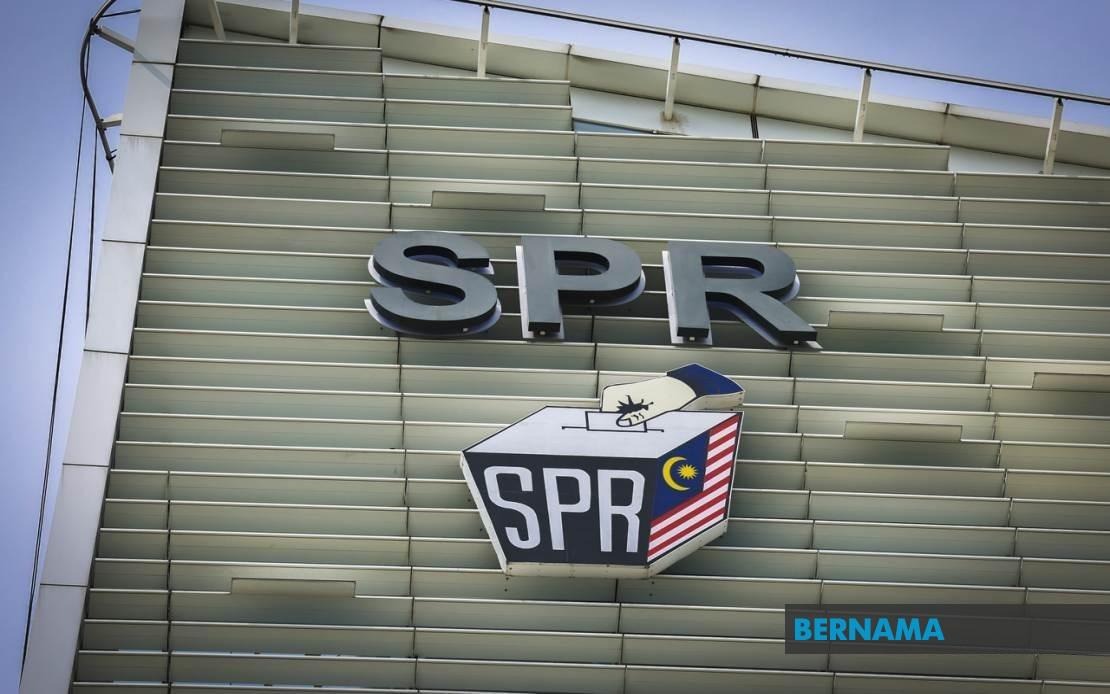
The race to control Negeri Sembilan's 36 state assembly seats enters its decisive phase tomorrow when nomination day formally opens a fortnight of intense campaigning. Eight nomination centres across the state will receive prospective candidates between 9 am and 10 am, after which the Election Commission will announce the final roster of those cleared to contest. The August 1 polling day marks the culmination of this process, though voters will have the option to cast ballots early on July 28, giving the electorate two opportunities to participate in this crucial state contest.
The electoral stakes extend across nearly 890,000 eligible voters in the state. This cohort comprises three distinct groups: 867,151 ordinary voters who form the backbone of most electoral contests, alongside 16,884 military personnel and their spouses, and 5,455 police personnel and their spouses. The latter two categories represent a smaller but significant bloc whose participation could prove decisive in closely contested constituencies, particularly in districts where military and police facilities maintain substantial presence. The final voter roll reflects a mature electoral body that will ultimately determine whether the current political balance in the state persists or shifts dramatically.
The three major political coalitions have largely finalised their candidate slates, revealing a landscape that differs meaningfully from the 2023 contest. Pakatan Harapan will mount a comprehensive challenge across all 36 seats, deploying 16 PKR candidates, 11 from DAP and nine from Amanah in its most coordinated coalition effort to date. This distribution reflects both the relative strength of component parties in the state and their negotiated settlement on candidate distribution. Barisan Nasional, by contrast, will field 25 candidates comprising 16 UMNO hopefuls, seven MCA representatives and two from MIC, effectively ceding 11 seats to other contestants or to internal coalition dynamics.
Perikatan Nasional's participation structure reveals the ongoing fragmentation within the opposition coalition, with 11 confirmed candidates drawn from an increasingly diverse membership base. PAS contributes five candidates, whilst Gerakan and the Malaysian Indian People's Party each field one representative. Most notably, Parti Wawasan Negara, the newest component within PN, is making its electoral debut with four candidates, signalling the coalition's attempts to broaden its appeal beyond traditional demographic boundaries. Yet this apparent unity masks internal tensions, as Berjaya has announced its intention to contest independently under its own banner, suggesting either negotiation breakdowns within PN or a strategic calculation that independent status offers electoral advantages.
Smaller political entities will add colour to the contest, with Parti Orang Asli Malaysia fielding a single candidate alongside one from Parti Sosialis Malaysia, whilst Parti Barisan Jemaah Islamiah Se-Malaysia is expected to present seven candidates. These parties, whilst unlikely to win seats, may influence outcomes in marginal constituencies by splitting votes and reshaping victory margins. In striking contrast, MUDA, Parti Pejuang Tanah Air and Parti Bersama Malaysia have confirmed they will not participate, perhaps acknowledging either organisational constraints or strategic preferences to focus resources elsewhere.
The 2023 results provide the clearest benchmark for understanding tomorrow's contest. Pakatan Harapan's victory then, securing 17 of 36 seats, delivered it government-formation responsibilities despite BN's respectable 14-seat tally and PN's five-seat foothold. This outcome suggested a modest but workable majority for PH, one that has governed the state for the intervening period. Whether this coalition can retain or expand its advantage represents the central question facing voters, particularly given shifts in national political sentiment and the demographic dynamics of constituencies that have evolved since 2023.
The Election Commission has underlined procedural requirements that prospective candidates should observe to ensure smooth nomination processing. Candidates are strongly encouraged to have their nomination papers vetted in advance at either the Returning Officer's Office or State Election Office, a step that can prevent last-minute rejections and administrative complications. Similarly, payment of election deposits should occur early, with receipts brought to nomination submission, eliminating potential delays that could disqualify otherwise eligible contenders. These administrative safeguards, whilst routine, become particularly important given the compressed timeframe between nomination and polling day.
Weather conditions will likely play a minor role in nomination day proceedings, though forecasters expect considerable variation across the state. The Malaysian Meteorological Department predicts generally fair weather across most areas Saturday morning, but Port Dickson and Seremban face predicted rainfall, potentially complicating voter and candidate movement. Afternoon thunderstorms are expected statewide, suggesting that nomination activities should conclude before midday to avoid weather-related disruptions. Such meteorological patterns are typical for the season and unlikely to significantly dampen political activity or voter engagement.
The state legislative assembly dissolution on June 5, which followed consent from Yang Dipertuan Besar Tuanku Muhriz Tuanku Munawir, initiated the formal legal process culminating in tomorrow's nomination day. This constitutional step, whilst procedurally necessary, effectively concluded any remaining legislative business and freed resources for the electoral campaign. The interim period has allowed parties to strategise candidate placement, fundraise and prepare ground operations, transforming the state into an arena of intense political competition ahead of the fortnight that now commences.
For Malaysian political observers, the Negeri Sembilan contest holds significance beyond state-level implications. As a middle-sized state with diverse demographic composition spanning urban Seremban, industrial Port Dickson and rural constituencies, election outcomes here often signal broader national sentiment shifts. The constituency-level contests will test whether Pakatan Harapan can consolidate urban middle-class support, whether Barisan Nasional retains traditional rural strongholds, and whether Perikatan Nasional's coalition framework can convincingly challenge either of its rivals. The campaign period commencing tomorrow will determine whether the 2023 alignment persists or whether Malaysian voters in Negeri Sembilan are prepared to endorse significantly different political arrangements.

