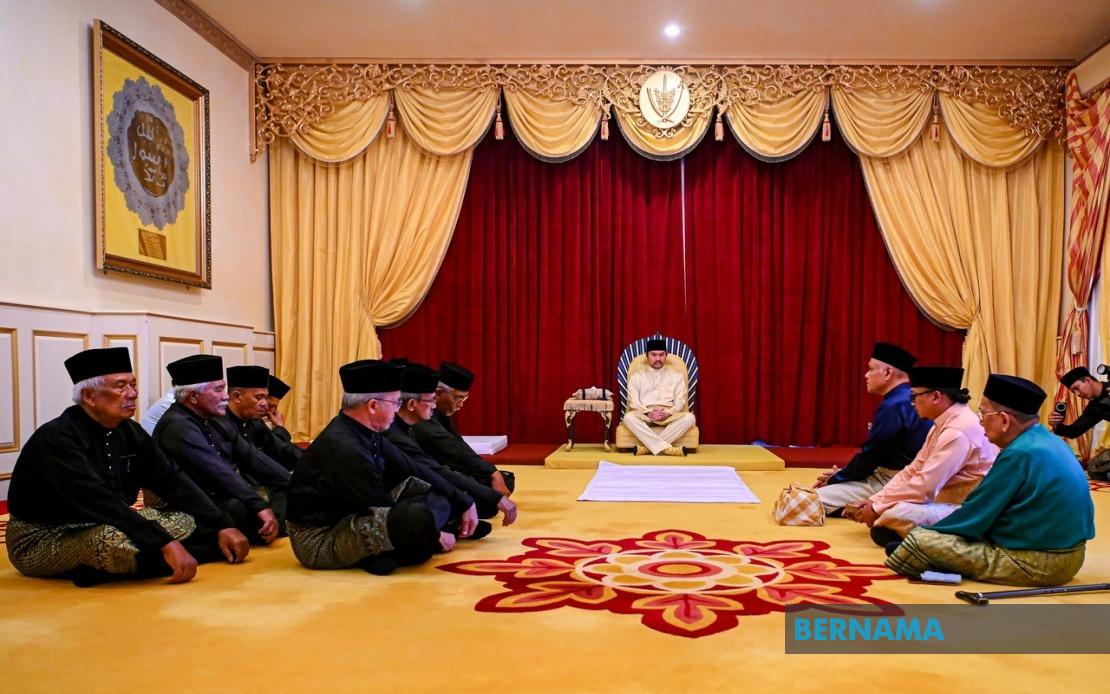
The Yang Dipertuan Besar of Negeri Sembilan, Tuanku Muhriz Tuanku Munawir, has granted approval for a formal royal audience to take place this Saturday at Istana Besar Seri Menanti in Kuala Pilah, during which the installation of the new Undang of Luak Sungei Ujong will be officially recognised. The consent was communicated through Tunku Besar Seri Menanti Tunku Ali Redhauddin Tuanku Muhriz, who conveyed the decision to the adat leaders and representatives of Luak Sungei Ujong during a ceremonial audience held at the palace earlier this week.
Muhammad Faris Johari, a 29-year-old, has been selected to serve as the 11th Undang of Luak Sungei Ujong following a process conducted by the Buapak customary council assembly. The selection adhered strictly to the established adat, or traditional customs and practices, that have long governed such appointments within this particular luak, which is one of Negeri Sembilan's constituent territories. This appointment marks the formal continuation of a centuries-old institution that plays a significant role in the state's traditional governance structure and community leadership.
The timing of this installation comes shortly after formal proceedings concluded the tenure of the previous office holder. The Dewan Keadilan dan Undang, the judicial and administrative body overseeing such matters, had previously accepted the dismissal of Datuk Klana Petra Datuk Mubarak Dohak, who served as the 10th Undang. This transition was formally decided during a special sitting convened at the palace and chaired by Tuanku Muhriz himself, with Menteri Besar Datuk Seri Aminuddin Harun also present to oversee the proceedings.
Tunku Ali Redhauddin Tuanku Muhriz emphasised in his formal remarks that the selection process had been carried out in full accordance with customary law and longstanding tradition. He instructed that the adat leaders coordinate further logistical and ceremonial details with the Orang Empat Istana, the palace officials responsible for state functions, to ensure the Saturday ceremony proceeds without difficulty. The involvement of the palace in facilitating these arrangements underscores the continued relevance of traditional leadership structures within Malaysia's constitutional framework.
Negeri Sembilan's system of governance uniquely incorporates these traditional undang positions as an integral component of local administration and community representation. The Undang serves as the paramount chief of each luak, holding considerable influence over customary matters, land administration within traditional territories, and the welfare of residents. The position carries historical weight dating back centuries to the state's founding principles, which emphasised a balance between royal authority and territorial chiefs' responsibilities.
The Sungei Ujong luak represents one of the most historically significant divisions within Negeri Sembilan, with deep roots in the state's development. The installation of its new Undang therefore carries implications beyond mere ceremonial protocol, affecting how customary administration and traditional justice mechanisms function within this community. The careful adherence to adat procedures in the selection and appointment demonstrates the state's commitment to preserving constitutional and traditional practices despite modern pressures.
Concurrently, the palace has also approved a separate royal audience for the same Saturday morning to formalise the installation of the 22nd Undang of Luak Rembau, indicating a significant day for ceremonial state functions. This back-to-back installation of two undang positions suggests careful coordination within Negeri Sembilan's traditional governance apparatus and reflects the ongoing cycle of succession that characterises the state's unique political system.
The role of Waris Negeri Sungei Ujong Datuk Sinda Maharaja Razlan Hamid in facilitating communication between the customary council and the palace illustrates the layered institutional framework through which such appointments occur. These waris positions themselves serve as intermediaries between traditional communities and state administration, representing the integration of customary authority within the broader Malaysian constitutional structure. Their participation in official proceedings ensures that community voices are heard at the highest levels of state governance.
For Malaysian observers, particularly those in states with similar traditional institutions, these ceremonial events underscore how Malaysia's federal system accommodates customary law and traditional governance alongside modern administrative structures. Negeri Sembilan's approach, enshrined in its unique constitution, provides a model of how deeply rooted cultural practices can coexist with contemporary governance requirements. The careful preservation of these traditions reflects broader Malaysian principles of honouring constitutional monarchy and indigenous institutions.
The Saturday ceremony will likely draw significant numbers of adat leaders, community representatives, and government officials, underscoring the importance attached to such installations within Negeri Sembilan's social and political calendar. These events serve not merely as ceremonial occasions but as opportunities to reinforce community bonds, reaffirm commitment to traditional values, and mark the transition of responsibility from one generation of leadership to the next within customary frameworks that predate modern state formation.
The explicit royal approval and palace coordination of these installations demonstrate that Malaysia's traditional institutions remain dynamic and engaged, adapting to contemporary requirements while maintaining historical continuity. As Negeri Sembilan moves forward with these appointments, it exemplifies how a state can simultaneously honour its constitutional traditions, respect its multicultural fabric, and ensure effective governance through carefully balanced institutional arrangements that serve all communities within its borders.

