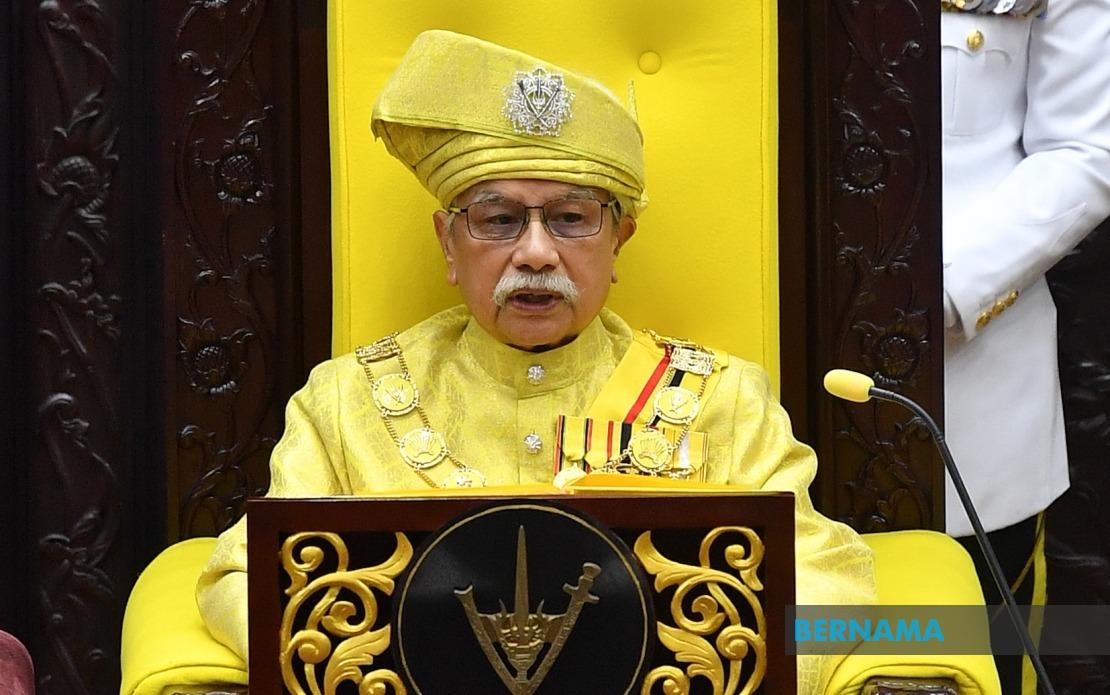
The Yang Dipertuan Besar of Negeri Sembilan, Tuanku Muhriz Tuanku Munawir, has consented to conduct a royal audience ceremony on Saturday at Istana Besar Seri Menanti to formally install the 22nd Undang of Luak Rembau. The announcement was made by Tunku Besar Seri Menanti, Tunku Ali Redhauddin Tuanku Muhriz, during a meeting with the senior adat leaders of Rembau at the palace in Kuala Pilah on Tuesday, signifying the conclusion of the customary selection process and the beginning of formal state recognition.
Hassan Ab Hamid, aged 67, has been selected through established adat procedures to fill the position vacated by the death of Datuk Lela Maharaja Datuk Muhamad Sharip Othman, who passed away in May 2024 at the age of 83. The selection ceremony, formally known as Kerapatan Buapak Delapan, drew on centuries-old customary traditions embedded within Negeri Sembilan's unique governance structure, particularly the Adat Perpatih system that has shaped the state's administrative framework.
The royal audience scheduled for Saturday will be termed Istiadat Menghadap Menjunjung Duli Bagi Menyempurnakan Kejadian Undang Luak Rembau, a formal ceremonial gathering that marks the state's official acknowledgment of the community-selected leader. Through Tunku Ali Redhauddin's statement, the ruler has instructed that adat leaders coordinate all ceremonial and logistical arrangements with the Orang Empat Istana, the traditional custodians of state protocol, ensuring the event proceeds with proper observance of established customs.
Datak Juan Datuk Zulkipli Shamsudin, who chaired the selection process, emphasised that the appointment of an Undang represents a distinctly different mechanism from conventional state administrative appointments. Under the Adat Perpatih system that governs Negeri Sembilan, the Undang is not appointed unilaterally by the ruler but emerges through the community's own customary procedures, reflecting a governance philosophy that predates modern statehood and remains largely unique within Malaysia's federal structure.
The distinction between community selection and royal appointment carries profound constitutional and cultural significance for Negeri Sembilan's indigenous governance. Rather than exercising discretionary power to choose leaders, the Yang Dipertuan Besar's role remains fundamentally ceremonial at this stage—receiving delegations from the luak when they seek audience and, when tradition requires, formally recognising and granting official sanction to decisions reached through grassroots customary processes. This separation between selection and recognition protects the autonomy of traditional community structures while maintaining the constitutional position of the ruler.
Zulkipli's comments also implicitly addressed potential misconceptions about the role of the monarchy within Negeri Sembilan's adat system, clarifying that the ruler neither summons nor independently chooses individuals to fill positions of traditional authority. This clarification responds to occasional external misunderstandings of how adat governance functions, particularly among those unfamiliar with Negeri Sembilan's matrilineal and community-centred customary traditions that have sustained the state's social fabric for generations.
The Adat Perpatih system itself represents a remarkable preservation of traditional Malay governance principles, centring on collective decision-making and the primacy of community consensus rather than hierarchical appointment. Within this framework, the role of luak—traditional territorial divisions—remains essential, with each luak maintaining distinct customary practices and leadership selection protocols. Rembau stands as one of several luaks across Negeri Sembilan where this traditional structure continues to function, demonstrating the enduring relevance of indigenous governance mechanisms in contemporary Malaysia.
For Malaysian readers, the installation ceremony illustrates how constitutional monarchies can coexist with and support customary authority structures, particularly in states where indigenous governance traditions retain legal recognition. Negeri Sembilan's approach contrasts with other Malaysian states, where traditional leadership frequently derives from royal appointment rather than community selection, making Saturday's ceremony a notable example of how federalism accommodates diverse governance models across the country.
The transition of leadership in Rembau also underscores the continuity embedded within adat systems; the selection of Hassan Ab Hamid signals the community's confidence in the established procedures to identify appropriate custodians of traditional authority across generational transitions. This mechanism, refined over centuries, has proven capable of maintaining institutional stability even as individual office-holders change, suggesting that customary selection processes offer particular advantages in preserving community cohesion and legitimacy.
Looking ahead, Saturday's royal audience will serve as a public affirmation of the ruler's support for customary governance processes and the continued vitality of Adat Perpatih in Negeri Sembilan. By formalising Hassan Ab Hamid's installation through ceremonial means, the state reinforces the interdependence between traditional community authority and constitutional monarchy—a partnership that has characterised Negeri Sembilan's governance since its establishment as a federated state.
The ceremony also comes at a moment when many Malaysian states are revisiting the role of traditional leadership in contemporary governance, particularly as urbanisation and modernisation reshape community structures. Negeri Sembilan's commitment to formalising adat-selected leaders through royal recognition suggests that customary authority remains relevant to the state's identity and administrative legitimacy, even as the broader federation continues its developmental trajectory.

