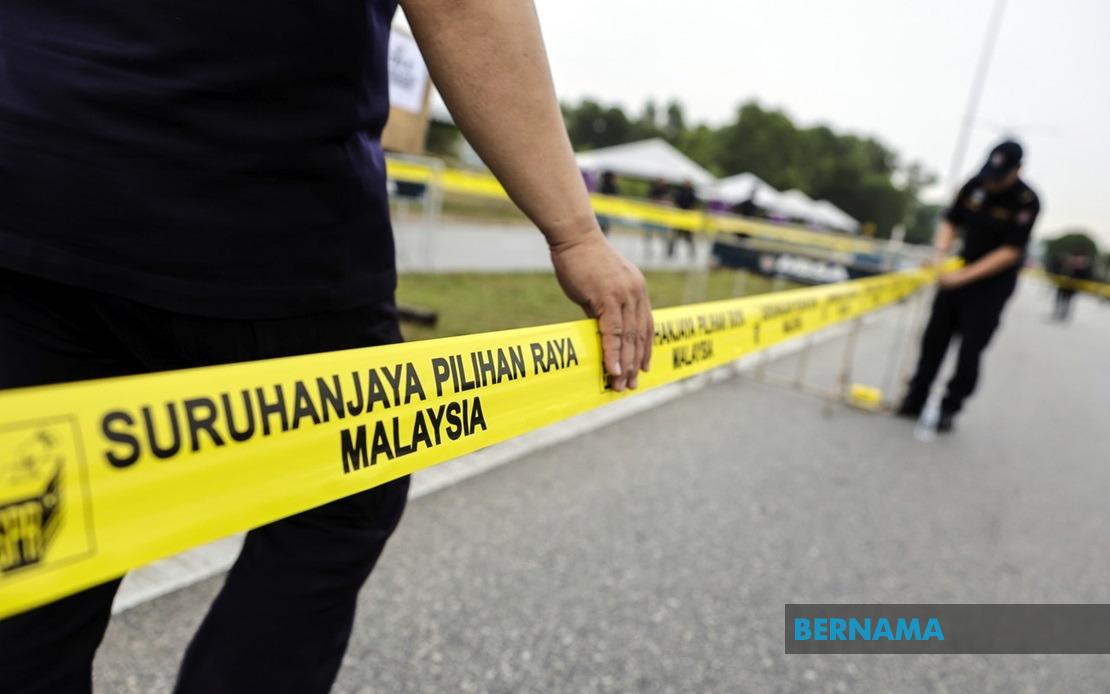
The upcoming nomination day for Negeri Sembilan's 16th state election is set to proceed with favourable weather conditions in most districts during the crucial morning hours, according to the Malaysian Meteorological Department. The forecast, announced by MetMalaysia director-general Dr Mohd Hisham Mohd Anip, provides relief to election officials and candidates preparing for the ceremony scheduled to begin on July 18. Morning hours in Jelebu, Jempol, Kuala Pilah, Rembau and Tampin are expected to remain largely dry, creating suitable conditions for the smooth flow of candidates through nomination centres. However, Port Dickson and Seremban, two of the state's key urban areas, should prepare for rain during the morning period, potentially affecting voter movement and candidate activities in these localities.
The afternoon weather profile shifts considerably, with thunderstorms anticipated across virtually all districts in Negeri Sembilan as the day progresses. Dr Mohd Hisham emphasised that despite the stormy outlook for later hours, the rainfall is not expected to be severe or sustained. These are characterised as brief, passing showers rather than the kind of prolonged, heavy downpours that could significantly disrupt election operations or pose safety risks to the public and election personnel working in the field.
Temperature patterns across the state will remain relatively consistent throughout the nomination day. The meteorological department forecasts minimum temperatures hovering between 23 and 24 degrees Celsius, typical for the mid-morning hours, while maximum temperatures are anticipated to reach between 32 and 33 degrees Celsius during the afternoon peak. These thermal conditions, combined with the anticipated moisture from afternoon storms, will create humidity levels that election workers and candidates should factor into their planning, particularly regarding adequate hydration and rest periods during what is traditionally an intense operational day.
The MetMalaysia director-general advised all stakeholders—including candidates, their supporters, election commission staff and volunteers—to remain informed through the department's official website and channels for real-time updates as nomination day approaches. This recommendation reflects the importance of preparedness in electoral processes, where weather disruptions can occasionally affect logistics, transportation routes and the overall voting experience. The availability of current meteorological information allows election officials to adjust protocols if necessary and enables candidates to optimise their ground operations around prevailing conditions.
Nomination proceedings are scheduled to commence at 9 am and conclude at 10 am across eight designated nomination centres throughout Negeri Sembilan. Following the completion of nominations, returning officers will conduct the official announcement of confirmed candidates, a ceremonial step that formalises the electoral contest. The compressed window for nominations—just one hour—places emphasis on efficient administration and advance coordination, making weather predictability valuable for ensuring the process runs without unnecessary delays.
The electoral landscape for Negeri Sembilan's 36-seat legislature reflects a competitive multi-sided contest. Pakatan Harapan is mounting the most ambitious challenge, announcing participation in all 36 seats, with the Democratic Action Party fielding 11 candidates, PKR 16 and Parti Amanah Negara nine. Barisan Nasional, the incumbent coalition, is contesting 25 seats through its component parties—UMNO with 16 candidates, the Malaysian Chinese Association with seven and the Malaysian Indian Congress with two. This positioning suggests BN is selectively contesting rather than pursuing a comprehensive campaign.
Perikatan Nasional has declared its participation across 11 seats, combining candidates from the Pan-Malaysian Islamic Party with five nominees, Parti Wawasan Negara with four, and single candidates each from Gerakan and the Malaysian Indian People's Party. This alliance reflects the regional political dynamics that have reshaped Malaysian politics over recent election cycles. Additionally, several smaller parties—including Parti Orang Asli Malaysia, Parti Sosialis Malaysia and Parti Barisan Jemaah Islamiah Se-Malaysia—are each fielding single candidates, adding further diversity to the contest. Parti Pribumi Bersatu Malaysia was expected to announce its candidate roster later, potentially expanding the field further.
The electoral administration framework reveals significant voter participation potential. The Election Commission's electoral roll records 889,490 registered voters eligible to participate in the Negeri Sembilan election. The composition of this electorate includes 867,151 ordinary voters who will vote on the main polling day scheduled for August 1, alongside 16,884 military personnel and their spouses designated for early voting and 5,455 police personnel also eligible to cast ballots early on July 28. This structured arrangement for early voting reflects provisions designed to accommodate those with occupational constraints during standard polling hours.
The state legislative assembly's dissolution on June 5 initiated the formal electoral timeline. The Election Commission established July 28 as the early voting day, allowing members of the armed forces and police to cast ballots before the general population. The primary polling day of August 1 represents the culmination of the electoral process, providing a two-day interval between nomination day and early voting to allow candidates and parties to mobilise their ground operations. This scheduling reflects standard Malaysian electoral procedures refined over multiple election cycles to balance administrative efficiency with operational practicality.
For Negeri Sembilan voters and the broader Malaysian political landscape, this state election carries significance beyond the immediate contest. The results will reflect current voter sentiment regarding the competing coalitions and parties at the state level, where issues such as local governance, economic development and community services directly influence electoral outcomes. The multi-cornered nature of the contest, with three major coalitions plus several smaller parties competing, suggests a fragmented political environment where local personality politics and ground-level campaign effectiveness may prove decisive in determining outcomes across the 36 constituencies.
The nomination process itself represents a critical juncture where the theoretical possibility of candidate participation transforms into concrete electoral competition. Weather conditions that facilitate smooth nominee registration and announcement processes contribute to public confidence in electoral administration. The meteorological forecast's emphasis on brief afternoon showers rather than disruptive weather suggests the Election Commission can proceed with standard nomination procedures without requiring contingency protocols or schedule adjustments, enabling the campaign period to commence as planned for the August 1 polling day.

