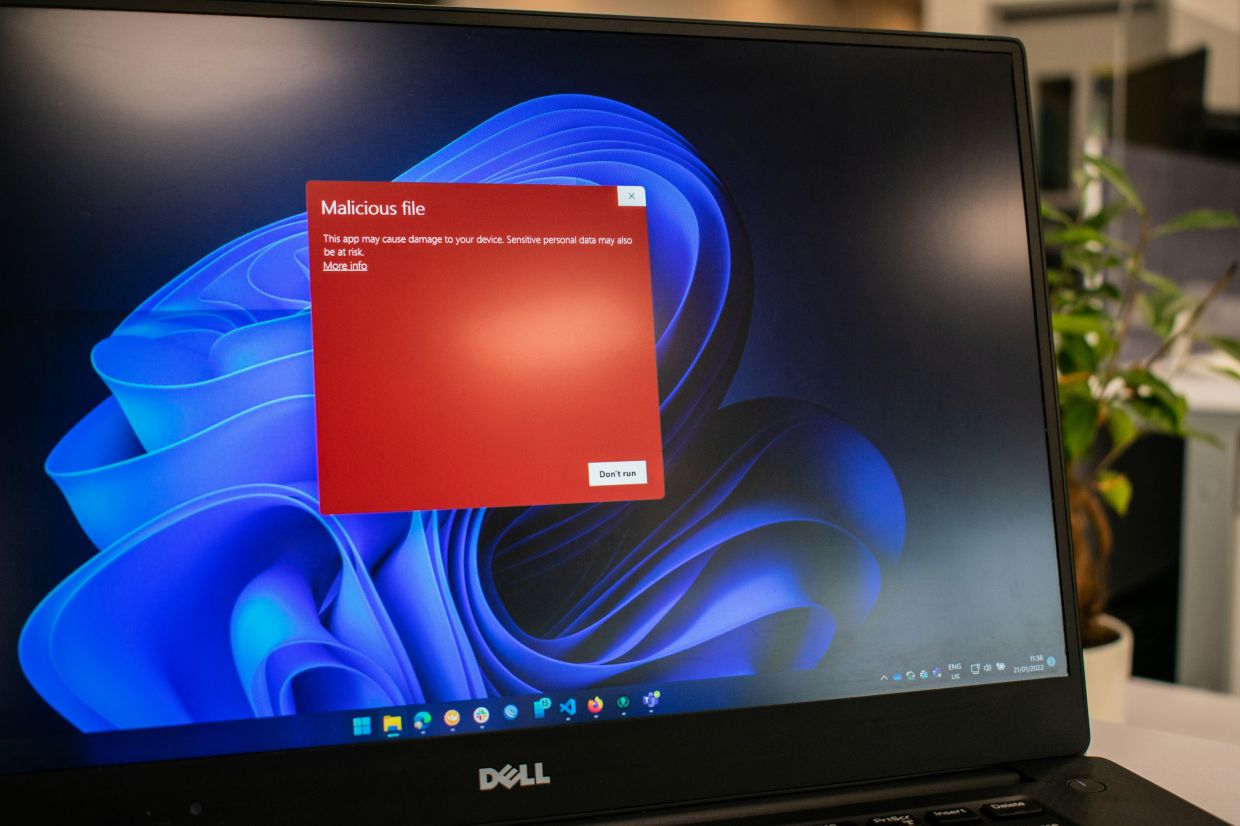
Malaysia's Computer Emergency Response Team (MyCert) has raised the alarm over a growing malware campaign exploiting WhatsApp Web and Desktop to compromise Windows computers through carefully crafted social engineering attacks. The scheme involves fraudsters sending unsuspecting victims messages that appear to contain legitimate documents—invoices, debt acknowledgments, and financial statements—but actually harbour dangerous executable files designed to seize control of their machines.
The malware distribution technique relies on disguising malicious Visual Basic Script files with names that closely mimic common business documents. Examples circulating include "Acknowledgment of Debt.vbs", "Sila semak bil anda.vbs" (Malay for "Please check your bill"), "December statement of account.vbs", and "Reconciliation.vbs". At first glance, these filenames suggest the presence of PDF or document files, but they are actually executable scripts that trigger malware installation the moment a user opens them. This deception plays on the trust users extend to WhatsApp as a messaging platform and exploits the familiarity of financial communication in Malaysian business settings.
Once executed, the script deploys a Remote Access Trojan (RAT) onto the victim's system, fundamentally compromising device security. This sophisticated malware grants attackers unrestricted remote access to the infected computer, allowing them to monitor activity, manipulate files, and maintain their foothold even after the device is restarted. The RAT simultaneously disables critical security notifications and antivirus alerts, operating silently in the background while the user remains oblivious to the breach occurring on their machine.
The real danger lies in what cybercriminals can harvest from compromised systems. The malware captures sensitive information as users interact with their devices—including passwords, banking credentials, and one-time passwords (OTPs) used for two-factor authentication. For Malaysian users with significant banking relationships and digital financial activities, this represents an existential threat to their financial security and personal data. The ability to intercept OTPs is particularly alarming, as this typically represents the final security layer protecting online banking sessions and sensitive transactions.
MyCert's guidance emphasizes prevention as the primary defence, urging users to exercise extreme caution with unexpected file attachments, particularly those claiming to be financial or legal documents. Users should never open or execute suspicious files, nor should they forward such messages to others, as this inadvertently spreads the threat. Equally important is the instruction not to reply to suspicious messages, as confirming an active phone number validates the target for future attacks and potentially places the user on attacker mailing lists for subsequent campaigns.
For those who have already compromised their devices, immediate action is critical. MyCert advises immediately disconnecting the infected computer from the internet to sever the attacker's remote connection and prevent further data exfiltration. Corporate users must simultaneously notify their organization's IT security team to ensure enterprise systems and shared resources are protected. Given the sophisticated nature of the RAT deployment, standard antivirus scans are unlikely to detect or eliminate the threat, necessitating professional malware removal services from qualified cybersecurity specialists.
Password management becomes paramount following any potential exposure. Users should assume that any credentials entered on the compromised device have been captured by attackers and must be changed immediately—using a completely separate, uninfected computer to do so. This includes passwords for email, banking platforms, social media accounts, and any services that might grant attackers access to additional personal or financial information. Banking institutions should be contacted directly to flag suspicious activity and place fraud alerts on accounts.
Reporting the attack through official channels significantly strengthens Malaysia's collective cyber defence. MyCert encourages victims and those who encounter these malicious messages to report them through WhatsApp's built-in reporting feature and to submit detailed information to the Cyber999 email address ([email protected]). Reports should include screenshots of the original message, exact timestamps, and the sender's phone number. This intelligence helps MyCert track emerging threats, identify patterns, and coordinate responses across the cybersecurity ecosystem.
This campaign underscores the evolving sophistication of cybercriminal tactics in Southeast Asia, where social engineering exploits cultural and business communication norms to gain victim trust. WhatsApp's popularity in Malaysia—used extensively for personal and business communication—makes it an ideal vector for such attacks. The targeting of Windows systems, which remain dominant in Malaysian corporate environments, suggests attackers are strategically focused on accessing business networks and sensitive financial information stored on regional computers.
Malaysian businesses and individuals should view this alert as a wake-up call to strengthen cyber hygiene practices. Beyond technical protections, awareness and skepticism represent the most effective defences against such social engineering attacks. Users must verify the legitimacy of unexpected documents through alternative channels before opening attachments, implement robust password management practices, and maintain regular backups of critical data on isolated devices. Organizations should reinforce cybersecurity training across their workforce and implement email and messaging security controls to filter potentially malicious content before reaching employees.

