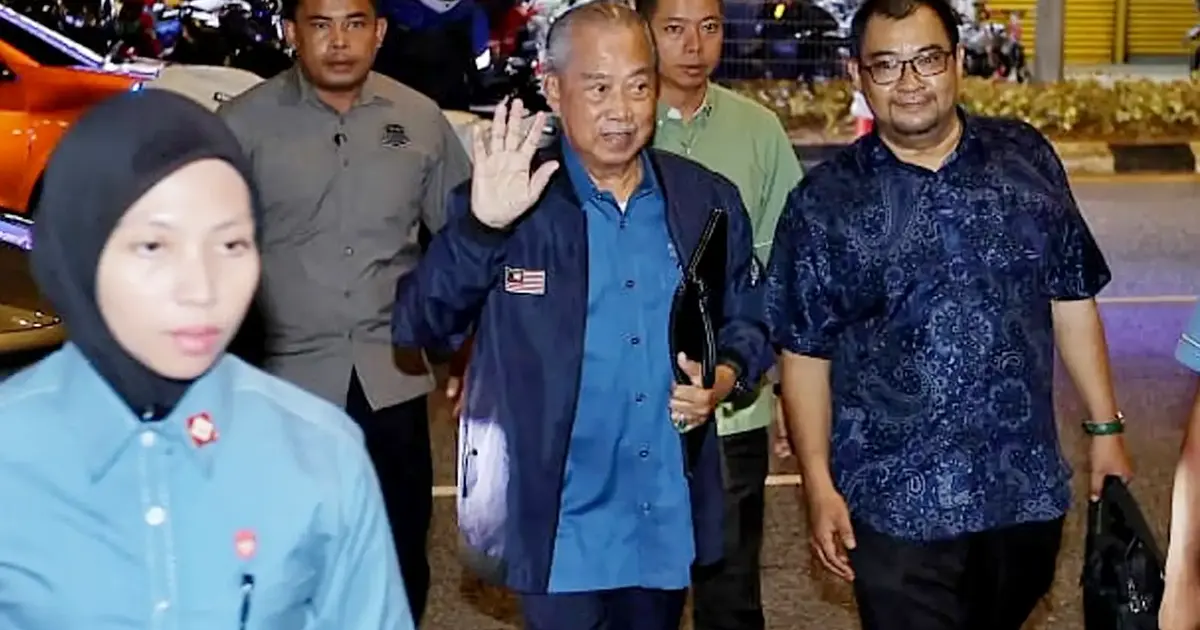
Datuk Seri Muhyiddin Yassin and senior Bersatu figures assembled for an extraordinary gathering late this evening to assess the coalition's future following PAS's abrupt departure from Perikatan Nasional. The hastily arranged summit represents a critical moment for the opposition alliance, which has faced mounting internal tensions and appears increasingly vulnerable to further fracturing.
PAS's withdrawal marks a significant blow to the three-year-old coalition that was formed to challenge Pakatan Harapan's dominance in Malaysian politics. The Islamist party's exit removes a crucial pillar from the PN structure, particularly given PAS's substantial parliamentary presence and grassroots organization. The timing of the split suggests growing dissatisfaction within the party hierarchy regarding the coalition's strategic direction and internal power dynamics.
Bersatu's precarious standing within the alliance formed the central focus of tonight's deliberations. As the coalition's de facto leader through Muhyiddin's prominence, Bersatu must now navigate heightened uncertainty about whether remaining members will stay committed or follow PAS's example. The party's credibility among coalition partners has been questioned following internal leadership disputes and shifting political alignments that have characterized the past several months.
The emergency nature of the gathering underscores the gravity with which PN leadership views the situation. Such unscheduled meetings typically convene only when the coalition faces existential threats or major realignments. Sources close to the leadership suggest that discussions will extend beyond immediate damage control to encompass broader strategic questions about the coalition's long-term viability and relevance in Malaysia's competitive political landscape.
Geopolitically, PN's weakening position has implications for Malaysia's parliamentary balance. The opposition coalition's deterioration potentially strengthens the ruling Pakatan Harapan government, though internal friction within the government coalition itself remains evident. Neither bloc commands comfortable legislative majorities, meaning independent members and smaller parties hold disproportionate influence over critical votes.
For Bersatu specifically, the challenges run deeper than coalition mechanics. The party has struggled to establish independent credibility since its formation, remaining largely defined through Muhyiddin's personal influence rather than institutional strength. PAS's departure removes a stabilizing presence that, despite ideological differences, provided ballast to the partnership. Without PAS, Bersatu becomes increasingly dependent on retaining its remaining coalition partners, limiting its negotiating leverage.
Regional observers note that PN's deterioration reflects broader Southeast Asian patterns where opposition coalitions prove difficult to maintain absent a unifying external threat. Malaysia's relatively stable democratic institutions and multiple competing blocs create constant incentives for realignment and tactical repositioning. Politicians regularly weigh whether coalition discipline serves their interests or whether alternative arrangements might offer better prospects.
The meeting's outcomes may include efforts to persuade remaining parties to reaffirm their commitment, though success appears uncertain given the coalition's demonstrated fragility. Leadership may also discuss whether to restructure PN's internal organization to address grievances that motivated PAS's departure. Some analysts suggest that acknowledging the coalition's fundamental problems might require admitting that personalities rather than shared ideology or policy vision have held it together.
Muhyiddin's ability to maintain PN authority faces real question marks. While he retains significant support among Bersatu's core membership, his influence extends less effectively to partner parties that increasingly see merit in independent positioning. His political standing, once formidable when he served as Prime Minister, has eroded through various controversies and missteps during subsequent years.
For Malaysian readers, PN's current instability matters because opposition coalitions play important roles in maintaining governmental accountability and proposing policy alternatives. A fractured, weakened opposition potentially reduces parliamentary scrutiny of executive actions and narrows the range of policy perspectives in legislative debates. However, coalition weakness might paradoxically create space for more diverse representation if independent members gain influence.
The meeting also signals that Malaysian political alignments remain fluid and unpredictable. Parties prioritize short-term tactical advantages over long-term institutional building, making durable coalitions genuinely difficult to construct. This environment rewards skillful negotiators but penalizes those seeking stable, predictable partnerships.
As details from tonight's discussions emerge in coming days, observers will scrutinize whether PN leadership can arrest the coalition's deterioration or whether PAS's departure represents the beginning of broader disintegration. The stakes extend beyond elite-level political positioning to encompassing the overall health of Malaysia's parliamentary democracy and the vibrancy of competitive opposition politics.

