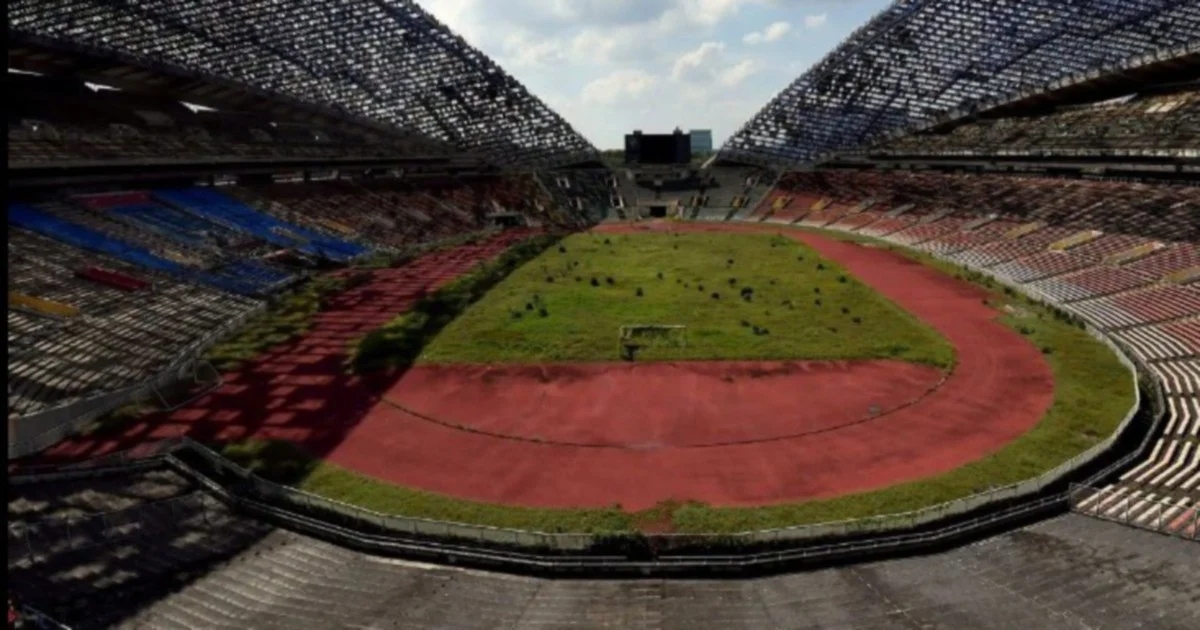
Malaysian Resources Corporation Bhd (MRCB) has successfully obtained a consent judgment at the Shah Alam High Court against activist Abdul Razak Ismail, resolving a dispute centred on online publications relating to the stadium's demolition and redevelopment. The developer contended that statements made through digital channels had inflicted economic damage on the company and its commercial interests tied to the prominent sports venue's transformation.
The Shah Alam Stadium project represents a significant redevelopment initiative in Selangor, one of Malaysia's most economically active states. The stadium, which has served the region for decades as a focal point for sporting events and public gatherings, has become the subject of intense scrutiny as authorities and private entities pursue modernisation plans. MRCB's involvement in the project underscores the intersection of urban development, corporate interests, and public discourse that characterises major infrastructure transformations across Malaysia.
Activist Abdul Razak Ismail had utilised online platforms to disseminate information and commentary regarding the stadium's demolition and subsequent redevelopment efforts. The nature of these publications, according to MRCB's legal position, extended beyond factual reporting or legitimate criticism into territory that the company asserted caused measurable harm to its reputation and financial standing. This framing touches upon an increasingly contentious issue across Southeast Asia regarding the boundaries between public interest advocacy and statements that corporations can legitimately claim cause economic prejudice.
The consent judgment mechanism employed in this case represents a particular legal pathway wherein both parties agree to terms without proceeding to a full trial. Such orders typically emerge from settlement discussions and reflect mutual agreement on resolution, though they may not involve explicit admissions of wrongdoing by either party. The fact that MRCB secured such an order indicates the court's willingness to formalise the agreement, lending judicial weight to the settlement arrangement between the developer and the activist.
This case intersects with broader regional conversations about corporate accountability, urban development, and freedom of expression. In Malaysia's context, where development projects frequently generate public debate and activist scrutiny, the outcome carries implications for how activists operate when critiquing major commercial ventures. The reliance on court mechanisms to resolve disputes between developers and their critics reflects the formalisation of conflicts that might once have remained within public discourse domains.
The Shah Alam Stadium redevelopment itself represents the type of large-scale urban transformation increasingly common across Malaysian metropolitan regions. Such projects often involve demolition of heritage or long-established structures to make way for modern facilities, generating legitimate public interest in their impact, environmental considerations, and community effects. When activists engage with these projects through online channels, they frequently position themselves as advocates for public interest against what they characterise as narrow commercial imperatives.
MRCB's assertion that online publications caused economic damage reflects the company's perspective that activist statements affected public perception, investor confidence, or operational viability. Quantifying such harm in commercial contexts remains notoriously complex, yet Malaysian courts have increasingly recognised damages arising from reputational injury and market perception shifts. The consent judgment's specifics regarding damages or remedial measures remain undisclosed in available information, leaving questions about the settlement's financial dimensions.
The digital dimension of this dispute warrants particular attention in the Malaysian context. Online platforms have dramatically expanded the reach and velocity of activist commentary, enabling individuals to mobilise public opinion at scales previously requiring institutional resources. Companies confronting online criticism now commonly resort to legal mechanisms to constrain speech, raising questions about proportionality and the practical effects on public discourse surrounding major projects. This case exemplifies how litigation functions as a tool for managing digital activism.
For developers operating in Malaysia, the outcome potentially signals that courts will entertain claims against activists whose online statements cause reputational or economic effects. This may encourage other corporations to pursue similar legal remedies when facing digital criticism. Conversely, activists and civil society organisations must now factor litigation risks into their engagement strategies, calculating whether public advocacy campaigns justify potential legal exposure and the resources required for courtroom defence.
The settlement's broader significance extends to how Malaysia navigates tensions between development imperatives and civic participation. Urban transformation projects inevitably generate stakeholder disagreement, and the mechanisms through which disputes are resolved shape whether public debate occurs freely or becomes increasingly formalised through legal channels. When activists face judicial constraints on expression, the public sphere gradually contracts around development issues, potentially limiting the information asymmetries that typically favour well-resourced corporations over dispersed community interests.
Governance frameworks in Selangor and across Malaysia continue evolving to accommodate competing demands for development efficiency and public accountability. Large projects like stadium redevelopments exemplify this tension, as they involve substantial public resources, environmental impacts, and community effects alongside commercial objectives. The resolution of disputes between developers and critics through consent judgments may reflect pragmatic efficiency, yet it also removes contested claims from public adjudication, potentially reducing transparency surrounding controversial projects.
Moving forward, this case may establish precedent affecting how Malaysian courts approach disputes between corporate entities and digital activists. Future cases may increasingly reference the Shah Alam Stadium judgment when assessing whether online statements constitute actionable economic harm. For stakeholders monitoring corporate accountability and freedom of expression in Malaysia, the outcome warrants close examination regarding its specific terms and any precedential implications it carries for subsequent developer-activist disputes.

