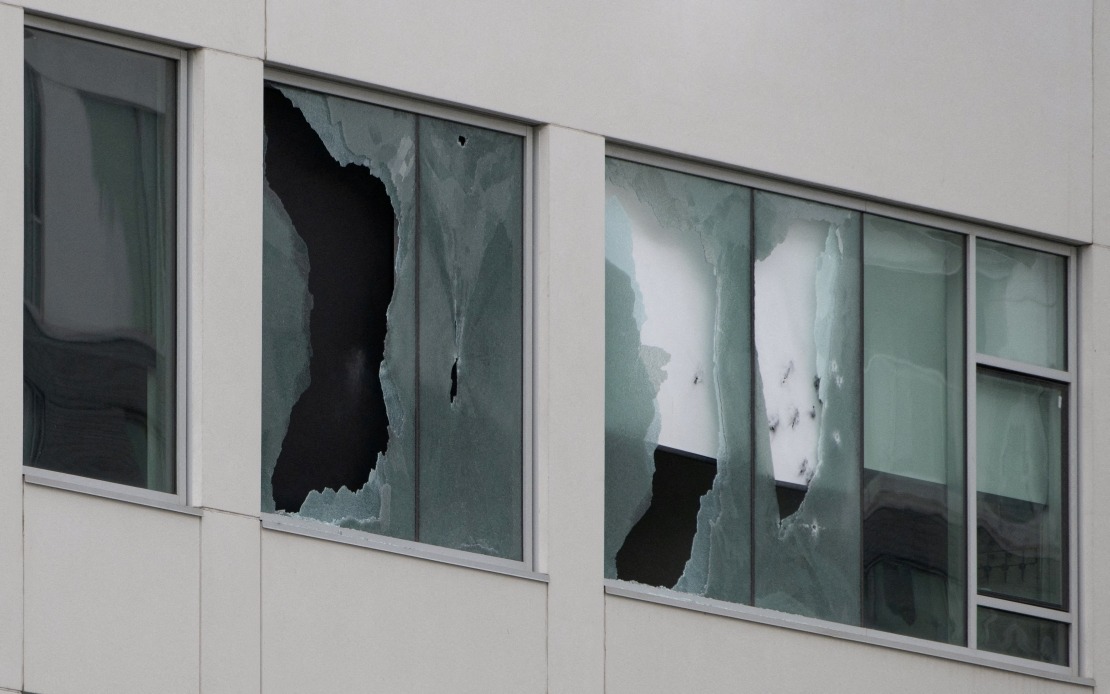
A shooting in Montreal on Monday claimed the lives of three people, including a police officer responding to an emergency call in the Côte-des-Neiges neighbourhood. The Royal Canadian Mounted Police and Montreal police confirmed that an officer was killed while performing his duties, marking a tragic loss for the local law enforcement community. Montreal police announced the death through social media, stating they would provide further details as the investigation progressed.
The incident unfolded when officers arrived at the scene to confront an armed suspect who immediately opened fire on them. Montreal police chief Fady Dagher explained to reporters that officers came under direct assault upon arrival, forcing them to engage the threat. The shooter was subsequently neutralised during the encounter, though the exact circumstances surrounding how officers subdued the suspect remain under investigation. The gunman's actions resulted in his own death at the scene.
Beyond the officer's death, a civilian resident in the area was also killed during the violence. Two additional people sustained injuries, including another police officer who was struck but remained conscious and stable. Police stated that the injured officer was no longer in life-threatening condition, offering some measure of relief given the severity of the attack. The civilian casualty underscores how such incidents ripple beyond law enforcement to affect the broader community.
Authorities have conducted preliminary assessments ruling out any connection to organised terrorism or extremist cell activity. This finding suggests the incident was not part of a coordinated attack or ideologically driven campaign by a larger movement, narrowing the focus to individual motivation. Police confirmed they have identified no additional suspects, indicating the shooter acted alone without accomplices or prior coordination with others.
However, investigators are examining whether the gunman may have harboured ideological grievances associated with the incel community, a predominantly online movement characterised by anti-feminist sentiment and misogynistic rhetoric. Media reports suggest the suspected attacker may have left behind written materials containing language consistent with incel ideology, which has been linked to several violent incidents in North America over recent years. These connections have not yet been officially confirmed by security authorities, but their examination represents a significant angle in understanding potential motivation.
The incel movement, whose name derives from "involuntary celibate," has emerged as a concerning phenomenon among some online communities. Members often express bitter grievances toward women and advocate for traditional gender hierarchies, occasionally using violent rhetoric. Several past attacks in North America have been attributed to individuals influenced by such ideology, prompting law enforcement agencies across the continent to monitor online spaces where such narratives flourish.
During the immediate aftermath, Montreal police instituted a lockdown in the Côte-des-Neiges area, urging residents to remain indoors and secure their doors. Broadcaster CBC reported that an armed and dangerous suspect alert was issued, warning the public to avoid the neighbourhood until authorities could secure the scene. The emergency alert was subsequently lifted once police confirmed the threat had been eliminated and no other suspects remained at large.
The incident will likely intensify ongoing debates in Canada regarding gun violence, mental health screening, and the monitoring of extremist online communities. Similar discussions have gained prominence in the United States and other developed nations following comparable attacks. Law enforcement agencies across North America are increasingly grappling with how to identify and prevent violence by individuals radicalised through internet forums and social media platforms.
For Malaysia and Southeast Asia, this incident serves as a reminder that threats stemming from online radicalisation and extremist ideology transcend geographic boundaries. The incel movement, while predominantly North American in its visible manifestations, has followers globally including in the region. Regional authorities tasked with countering violent extremism may need to expand their monitoring to include not only traditional security threats but also newer, digitally-native movements that can inspire violence among isolated individuals.
The investigation into Monday's shooting remains active as authorities seek to establish a more complete timeline of events and understand the gunman's motivations. Forensic analysis, digital evidence examination, and interviews with those present will contribute to a fuller understanding of what transpired. The death of a serving police officer represents a profound loss for Montreal's law enforcement community and underscores the ongoing dangers officers face in responding to calls involving potentially armed and unstable individuals.

