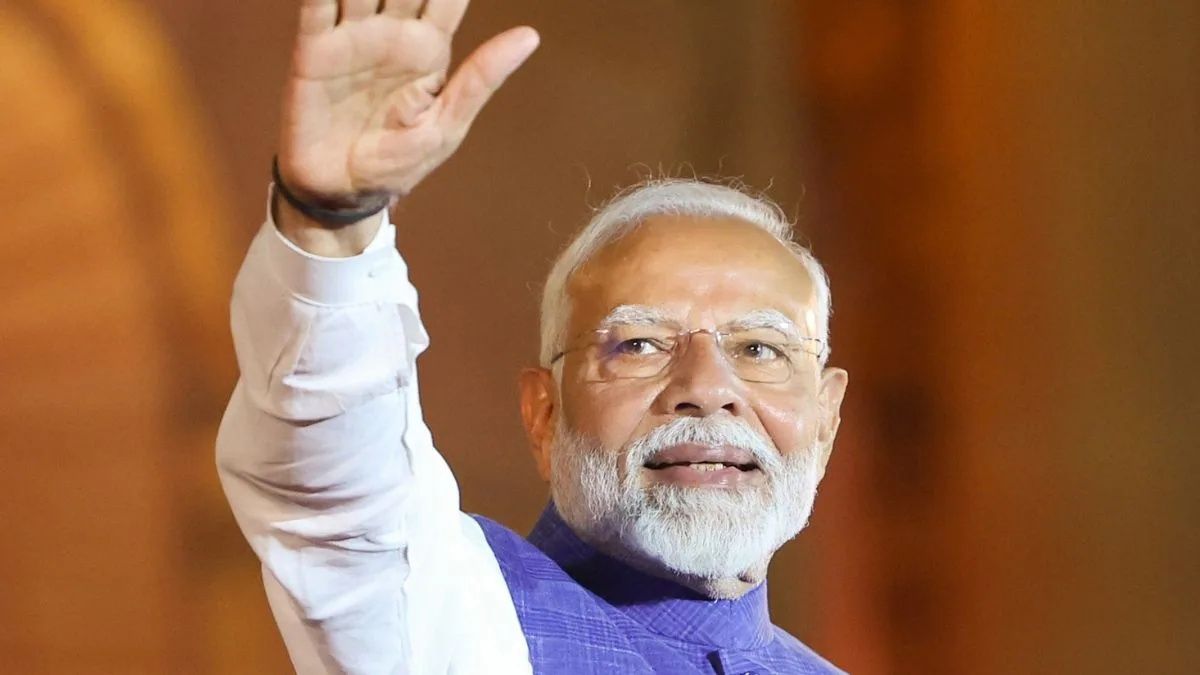
Prime Minister Narendra Modi will take centre stage in Kolkata on June 21 to lead the national observance of the 12th International Day of Yoga, underscoring his administration's commitment to the philosophy of "Healthy Body, Healthy Mind." The main event will unfold at the historic Red Road in the early morning hours, drawing thousands of participants including senior government officials and citizens for mass demonstrations of the Common Yoga Protocol. This choice of venue and timing signals both India's broader wellness agenda and a significant political message to the nation.
The selection of Kolkata as the primary celebration site carries substantial strategic implications. The decision arrives on the heels of the Bharatiya Janata Party's decisive victory in West Bengal Assembly elections, marking a watershed moment in the state's political landscape as the saffron party displaced the long-ruling Trinamool Congress. Senior BJP functionaries have made explicit that West Bengal will command heightened governmental attention in the foreseeable future, with infrastructure development and resource allocation functioning as key priorities for the newly ascendant administration in the state.
Red Road itself holds profound significance beyond its role as a gathering space. As one of Kolkata's most vibrant public squares, it represents the convergence of civil demonstrations, military heritage, and environmental stewardship—a symbolism that extends the yoga celebration beyond mere wellness into the broader narrative of national cohesion and progressive governance. Organisers anticipate an unprecedented turnout for this year's proceedings, reflecting growing public engagement with the wellness initiative.
The thematic focus of this year's International Day of Yoga—"Yoga for Healthy Ageing"—addresses a pressing contemporary concern as populations across the globe experience increasing longevity. Union Minister of State for Ayush and Health Prataprao Jadhav has articulated that the challenge extends beyond simply extending lifespan; the critical imperative centres on ensuring that additional years translate into active, independent, and purposeful existence. According to Minister Jadhav, yoga provides a scientifically validated and comprehensive approach to achieving this objective by fortifying physical resilience, cultivating mental equilibrium, and elevating overall life satisfaction.
The Ministry of Ayush has orchestrated an expansive framework to amplify yoga's reach and cultural resonance. The Yoga Sangam Portal has achieved a remarkable registration milestone, surpassing 600,000 organisational registrations—a figure that demonstrates the unprecedented mobilisation of institutions and communities nationwide. These registered entities will coordinate simultaneous yoga sessions at their respective locations, enabling unified participation with the Prime Minister and creating a decentralised yet synchronised national movement around yoga practice.
International participation underscores yoga's transcendent appeal beyond India's borders. Approximately 2,500 organised events will occur worldwide, with 211 Indian diplomatic missions abroad facilitating engagement among expatriate communities and international audiences. This global footprint transforms the celebration into a cultural diplomacy initiative, positioning yoga as an Indian philosophical export while fostering cross-cultural understanding around wellness practices rooted in ancient Indian traditions.
The Ministry of Culture has complemented the Ayush-led initiative by scheduling yoga programmes at 100 nationally significant heritage sites, a deliberate effort to interweave India's civilisational legacy with contemporary wellness concerns. This approach recognises that yoga transcends merely physical exercise, instead representing an integrated system encompassing body, mind, and spirit that has endured millennia. By anchoring these programmes within culturally resonant locations, the government reinforces yoga's status as a civilisational treasure rather than merely a contemporary health trend.
Kolkata itself has energised preparations through preliminary events. The "Daud Se Dhyan 2026 – From Movement to Stillness" initiative, conducted under the broader Swachhata Se Swagat Programme, brought together health consciousness, sanitation awareness, civic responsibility, and personal well-being—a holistic vision reflecting the government's understanding that yoga functions within a larger ecosystem of national development priorities.
For Malaysian and Southeast Asian observers, India's expanded yoga promotion holds particular relevance. The region increasingly confronts lifestyle diseases, ageing populations, and the psychological toll of rapid modernisation. India's systematic promotion of yoga as a preventive and rehabilitative wellness tool offers a potential template for regional policymakers seeking accessible, culturally grounded health interventions. The decentralised registration model through Yoga Sangam Portal demonstrates how governments can mobilise institutional capacity without requiring massive centralised infrastructure investments.
The West Bengal government has mandated yoga participation for all state employees, either at their offices, residential areas, or designated public venues such as Red Road and Milan Mela grounds. This institutional requirement, while potentially controversial from a voluntary engagement perspective, reflects the administration's determination to embed yoga within governmental functioning and civil service culture.
For India specifically, the Kolkata celebration represents an inflection point where wellness advocacy intersects with political consolidation. The Modi government's consistent elevation of yoga—from introducing the International Day of Yoga in 2015 to progressively expanding participation frameworks—demonstrates sustained commitment to repositioning India as a custodian of ancient wellness wisdom. The record registrations and global participation suggest this positioning resonates genuinely rather than representing mere governmental promotion.
As health systems across Asia grapple with expanding chronic disease burdens and constrained resources, India's yoga initiative merits analytical attention. By systematising and legitimising traditional practices within modern governance structures, India demonstrates one approach to addressing health challenges through cultural continuity rather than exclusively Western pharmaceutical paradigms. The success of this year's International Day of Yoga, measured through participation metrics and sustained community engagement, may influence how other regional governments conceptualise wellness integration within national development frameworks.

