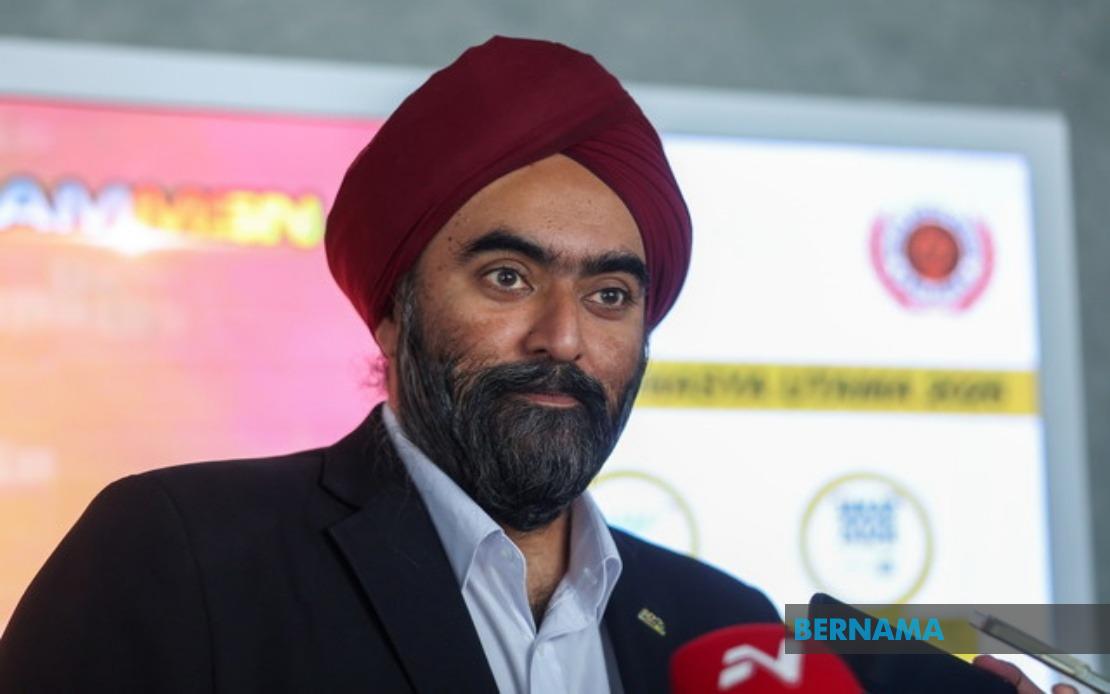
Malaysia's cycling development plans have hit a significant snag as the Malaysian National Cycling Federation seeks immediate dialogue with Yayasan Sime Darby following the unexpected postponement of the YSD Track Cycling and BMX Series 2026. MNCF president Datuk Amarjit Singh Gill made the appeal during the launch of the Le Tour de Langkawi 2026 route announcement at Menara KBS in Putrajaya, signalling the urgency with which the federation views the impasse.
The cancellation of the series represents a setback for Malaysia's cycling talent pipeline, particularly at the grassroots and developmental levels where such programmes play a crucial role in identifying and nurturing future national competitors. Track cycling and BMX racing are specialised disciplines requiring dedicated facilities and structured competition calendars to develop athlete proficiency, making series cancellations doubly damaging to long-term athlete progression.
According to Yayasan Sime Darby's announcement, the postponement stems from technical issues attributed to the MNCF. However, Amarjit's public response suggests the disagreement may involve procedural or operational matters rather than fundamental incompatibilities. His characterisation of the dispute as something that "is not a complicated one" indicates the federation believes resolution is achievable through proper dialogue at executive level, provided both organisations approach negotiations with good faith.
The MNCF president emphasised that resolving this matter requires the top leadership of both organisations to engage directly. Rather than allowing friction to escalate through lower-level channels or public statements, he advocated for candid discussions between the YSD management and MNCF executive council members. This approach reflects recognition that partnership disputes of this nature often hinge on communication breakdowns and misaligned expectations rather than insurmountable philosophical differences.
Central to Amarjit's position is the principle of mutual respect between strategic partners. In his view, any productive collaboration depends on both parties recognising and valuing each other's contributions and roles. The MNCF leader was careful to acknowledge Yayasan Sime Darby's significant investment in Malaysian cycling development, suggesting that the federation does not regard its partner as adversarial but rather as a stakeholder with legitimate concerns.
For Malaysian cycling enthusiasts and administrators, the postponement raises broader questions about the stability of development programmes that depend on corporate sponsorship. While such partnerships have historically provided the financial resources necessary to sustain competitive platforms—essential for athlete development—they can sometimes create friction over operational control, governance, and decision-making authority. The current impasse underscores the importance of clearly defined governance frameworks in such collaborations.
Yayasan Sime Darby has built a reputation as a significant supporter of Malaysian sports development across multiple disciplines. Its commitment to cycling through track and BMX series sponsorship reflects the corporate sector's broader role in compensating for funding gaps in national sporting infrastructure. Any prolonged disruption to these programmes risks eroding the goodwill that underpins such partnerships, potentially making future corporate sponsors more cautious about long-term cycling commitments.
The timing of this dispute, occurring as Malaysia prepares to host the Le Tour de Langkawi 2026, adds another dimension to the situation. The international prestige associated with hosting a WorldTour cycling event depends partly on demonstrating a robust domestic cycling ecosystem with functioning development pathways. Domestic series cancellations can inadvertently undermine Malaysia's positioning as a serious cycling destination on the regional stage.
Amarjit's emphasis on both parties maintaining openness to dialogue suggests that MNCF is prepared to make reasonable accommodations to restore the partnership. By publicly acknowledging that he respects Yayasan Sime Darby's concerns—even without full details becoming public—the federation president has adopted a diplomatic approach designed to facilitate rather than hinder resolution. This measured response contrasts with more adversarial posturing that might further entrench both organisations in their respective positions.
For the broader Malaysian cycling community, the stakes involve not merely one cancelled series but the precedent such disputes establish. Young riders at the developmental level depend on consistent competitive platforms to build experience and credentials. Talent loss due to programme interruptions can be difficult to reverse, as athletes may pursue alternative careers or sports if regular competitive opportunities disappear unexpectedly.
The resolution of this matter will likely depend on both organisations' willingness to revisit whatever technical issues triggered the postponement with fresh perspectives. Often, what appears as an insurmountable technical problem can be addressed through creative problem-solving when senior leadership commits to finding solutions rather than assigning blame. Amarjit's call for top-level intervention suggests he believes such problem-solving is possible.
Moving forward, this episode may prompt Malaysian sporting bodies to examine governance structures and dispute resolution mechanisms within major sponsorship partnerships. Clear protocols for addressing disagreements, escalation procedures, and mediation processes could help prevent similar crises from derailing important development programmes. The cycling federation and Yayasan Sime Darby now face an opportunity to not only resolve their immediate dispute but potentially strengthen their partnership through addressing underlying structural concerns.

