The Malaysian Golf Association has formally appealed to the Ministry of Youth and Sports for government support in establishing a dedicated, full-time national coach position, a move aimed at elevating the country's competitive readiness for the 2027 Southeast Asian Games. The request emerged during recent discussions between MGA leadership and ministry officials, highlighting golf's ambitions to secure structured, long-term coaching support ahead of what will be a significant home tournament for Malaysian sport.
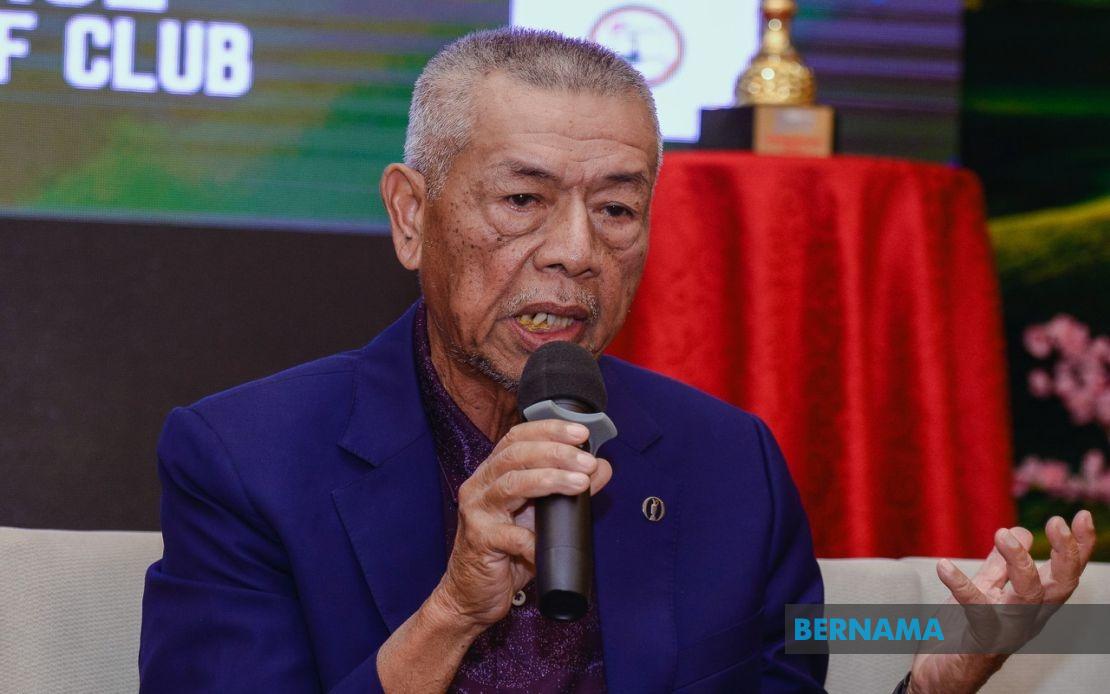
Tan Sri Mohd Anwar Mohd Nor, the MGA's president, disclosed the initiative following a meeting with Datuk Rahimi Ismail, secretary-general of the Ministry of Youth and Sports. The association views the appointment of a high-calibre coach as essential to developing a comprehensive and coherent preparation strategy for national competitors. Speaking at the launch of the 100PLUS MGA National Junior Development Programme Junior Series 2026 at The Mines Resort & Golf Club in Serdang, Mohd Anwar outlined the reasoning behind the request, stressing that professional coaching infrastructure remains critical to Malaysia's competitive standing in the sport across Southeast Asia.
The MGA's push for permanent coaching staff reflects a broader recognition within Malaysian golf that success at regional championships requires year-round, expert guidance rather than ad hoc arrangements. The establishment of such a position would enable the association to implement a cohesive athlete development pathway, from junior talent identification through to elite preparation. This strategic approach aligns with international best practices, where sustained coaching relationships foster consistency and measurable improvement in performance metrics.
Cooperation between the MGA, the Ministry of Youth and Sports, and the National Sports Council has been identified as fundamental to realising the association's developmental goals. Mohd Anwar emphasised that collaborative partnerships are essential not only for securing coaching resources but also for navigating broader challenges related to athlete welfare, competition scheduling, and integration with government sports policy. The three-way dialogue reflects growing recognition that Malaysian golf cannot advance in isolation from the country's larger sports infrastructure and funding mechanisms.
Beyond the coaching appointment, the MGA has developed a multifaceted preparation calendar for the 2027 Games, which will take place in September. The association is exploring the feasibility of hosting specialised training camps in Sarawak, recognising that geographic diversity can provide distinct advantages for player development and acclimatisation. To advance this initiative, Mohd Anwar recently met with Sarawak's Minister of Youth, Sports and Entrepreneur Development, Datuk Seri Abdul Karim Rahman Hamzah, to explore how the state government might facilitate such training programmes and offer logistical or financial support.
The 2027 SEA Games represent a rare opportunity for Malaysian golf, as hosting duties traditionally intensify competitive pressure and raise public visibility. Strategic preparation must therefore extend beyond coaching to encompass venue preparation, institutional coordination, and athlete welfare systems. Sarawak's potential involvement could provide training facilities and environmental conditions that complement the main tournament preparations, while simultaneously strengthening golf's footprint beyond peninsular Malaysia.
The National Junior Development Programme also features prominently in the MGA's strategy. By launching the NJDP Junior Series 2026, the association is signalling commitment to cultivating a pipeline of young talent capable of competing at SEA Games level. This grassroots investment complements the call for elite coaching, creating a coherent system in which emerging players benefit from structured development while potential candidates for the national team receive world-class guidance. The timing of these initiatives—several years before the Games—demonstrates serious, methodical planning rather than last-minute scrambling.
Financial and institutional support from government ministries remains pivotal. The MGA's proposals encompass not merely the salary and employment of a single coach but broader systemic enhancements to athlete development, programme implementation, and strategic planning. By engaging the Ministry of Youth and Sports and the National Sports Council early, the association is positioning itself to benefit from economies of scale, cross-portfolio learning, and alignment with national sports priorities, rather than operating as an isolated federation.
The request for a permanent coaching position also underscores golf's ongoing struggle for recognition and resources within Malaysia's broader sports hierarchy. While football, badminton, and certain other disciplines enjoy established state backing, golf has historically relied on private sponsorship and association resources. The move to secure government-appointed coaching staff would represent a meaningful shift in the sport's institutional standing, signalling that golf is considered worthy of sustained public investment. This could open doors to additional funding and policy consideration in future budgetary cycles.
For regional golf competitors and Southeast Asian sports observers, Malaysia's preparations carry broader significance. A well-resourced host nation typically sets benchmarks for tournament quality and competitive standards. Malaysian golf's investment in coaching and development infrastructure may indirectly elevate standards across the SEA Games, attracting stronger regional participation and establishing protocols that other nations might emulate. The home advantage—combined with improved coaching and preparation—positions Malaysia to compete for multiple medals while demonstrating golf's developmental potential within the region.
The coming months will determine whether the Ministry of Youth and Sports approves the MGA's request and commits funding to the permanent coaching appointment. Should approval materialise, the MGA will need to efficiently recruit a qualified coach with proven track record in developing competitive regional or international players. The transition period will test the association's administrative capacity and ability to integrate new personnel with existing structures, though the apparent enthusiasm from Sarawak's sports ministry suggests broader institutional support for the initiative.
Ultimately, the MGA's advocacy for a full-time national coach reflects mature thinking about sustainable competitive development. Rather than pursuing short-term victories, the association is investing in institutional capacity, long-term athlete development, and strategic government partnerships. For Malaysian golf enthusiasts and policymakers alike, this proposal merits serious consideration as an investment in both the immediate success of the 2027 SEA Games and the sport's enduring competitiveness throughout Southeast Asia.

