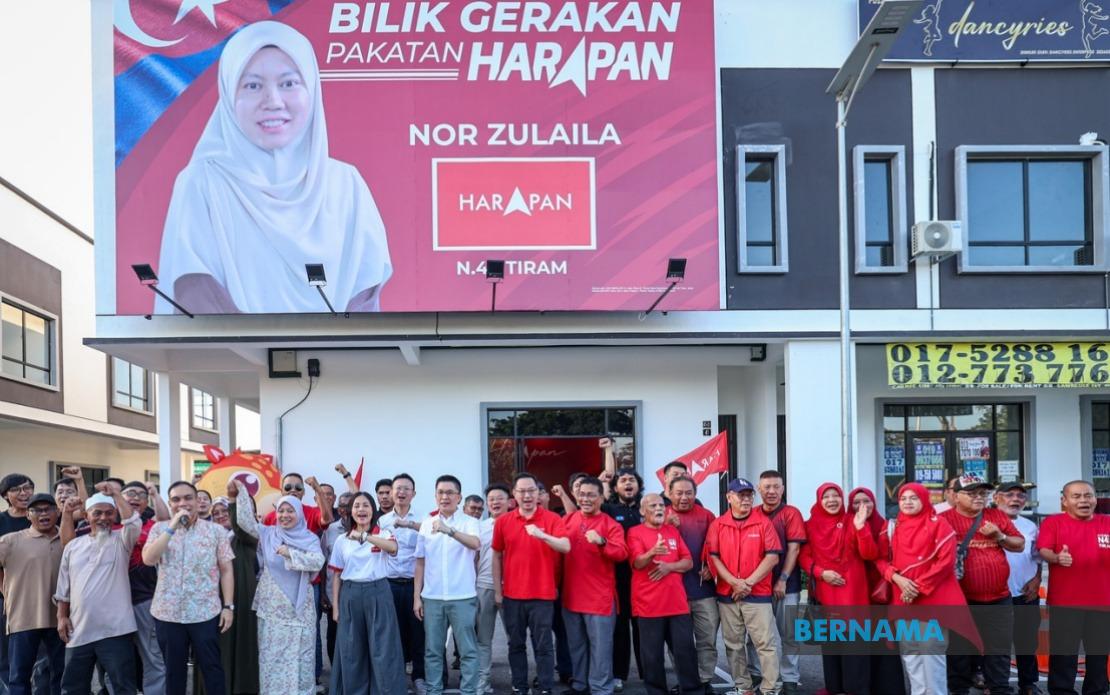
The Malaysian Communications and Multimedia Commission (MCMC) is preparing comprehensive measures to guarantee stable internet connectivity across Johor during the ongoing state election campaign, Deputy Communications Minister Teo Nie Ching announced on June 26. Speaking at the launch of Pakatan Harapan's operations room for the N40 Tiram constituency in Taman Kota Masai, Teo emphasised that reliable digital infrastructure remains fundamental to the conduct of modern political campaigns and voter engagement.
Teo outlined the strategic importance of uninterrupted internet access, noting that such connectivity enables political parties to organise rallies effectively and disseminate campaign information to voters across the state. The minister has directed MCMC to undertake intensive monitoring exercises, with particular attention to high-traffic zones anticipated to attract substantial crowds during rallies and public events. This proactive approach reflects growing recognition among Malaysian election authorities that digital infrastructure has become as critical as traditional logistics in determining campaign efficiency and reach.
The timing of these preparations is significant given Malaysia's increasingly digital political landscape. Voters now rely heavily on online platforms for campaign information, candidate profiles, and electoral updates. Any disruption to internet services during key campaign moments—such as major political announcements or live-streamed debates—could disadvantage parties unable to communicate effectively with their base. By ensuring optimal connectivity, MCMC aims to level the playing field and facilitate transparent information flow to the electorate.
As Johor Darul Ta'zim's DAP chief, Teo also provided insights into her party's campaign momentum. She reported receiving overwhelmingly positive feedback from voters across the state, suggesting strong grassroots enthusiasm for Pakatan Harapan's candidacy. Notably, ground-level surveys indicate high voter intention to participate in the electoral process, with many citizens demonstrating commitment to return to their home constituencies specifically to cast their ballots, despite residing elsewhere. This willingness to travel underscores the competitive nature of the contest and voters' apparent engagement with the electoral stakes.
Teo's comments about voter behaviour carry broader implications for Malaysian electoral dynamics. The readiness of voters to prioritise participation, even when it requires physical displacement, signals public interest in determining the state's direction. For election organisers and infrastructure planners, this high anticipated turnout demands careful resource allocation across multiple service sectors—from transportation to voting facilities to digital systems.
Regarding party strategy, DAP has adopted a notably cautious approach to seat classification. Rather than designating any of its 17 contested seats as secure, the party has instructed campaign teams to treat each location as genuinely competitive. This philosophy rejects the concept of "safe seats," recognising that complacency can erode voter turnout and campaign intensity. Teo argues that tailored strategies for each constituency—accounting for local demographic variations, historical voting patterns, and specific community concerns—will yield superior results compared to generic campaign methodologies.
This granular approach reflects lessons learned from previous Malaysian elections, where seemingly secure seats have shifted unexpectedly following electoral upsets or late campaign momentum swings. By maintaining disciplined focus across all constituencies rather than concentrating resources on marginal areas, DAP seeks to maximise its overall seat count and strengthen its negotiating position in post-election coalition-building discussions.
The electoral timetable for Johor's 16th state election follows a compressed schedule. Nomination day falls on June 27, with early voting scheduled for July 7 and general polling day set for July 11. This condensed calendar—typical of Malaysian state elections—compresses campaign periods and magnifies the importance of efficient communication and logistical coordination. Parties must mobilise resources, coordinate volunteers, and reach voters within a relatively narrow timeframe, making infrastructure reliability and internet access particularly crucial.
For Malaysian businesses and voters relying on digital services during this period, MCMC's commitment to network stability carries practical significance. Election-related information platforms, political fundraising portals, and voter registration verification systems will depend on consistent, high-capacity connectivity. Any network failures could frustrate both institutional and individual stakeholders attempting to participate in or observe the electoral process.
The emphasis on internet infrastructure also reflects Malaysia's broader digital transformation agenda. As the nation pursues digital economy objectives and seeks to position itself as a technology-enabled society, ensuring robust connectivity during significant public events demonstrates commitment to digitalisation across all sectors, including governance and political processes. Election campaigns increasingly serve as stress-tests for national broadband infrastructure, revealing capacity gaps and technical vulnerabilities.
For Southeast Asian observers, Johor's election offers a case study in how established democracies manage technical infrastructure alongside electoral conduct. Other regional nations undertaking democratic reforms or strengthening electoral institutions may draw lessons from Malaysia's approach to ensuring digital access and information flow during contested political periods.
The convergence of political competition, digital infrastructure requirements, and voter participation creates complex management challenges. Teo's announcement suggests Malaysian authorities recognise these complexities and are deploying resources accordingly. Success in maintaining optimal internet coverage throughout the Johor campaign period would validate technical preparedness and reinforce public confidence in the electoral system's capacity to accommodate modern democratic practices.

