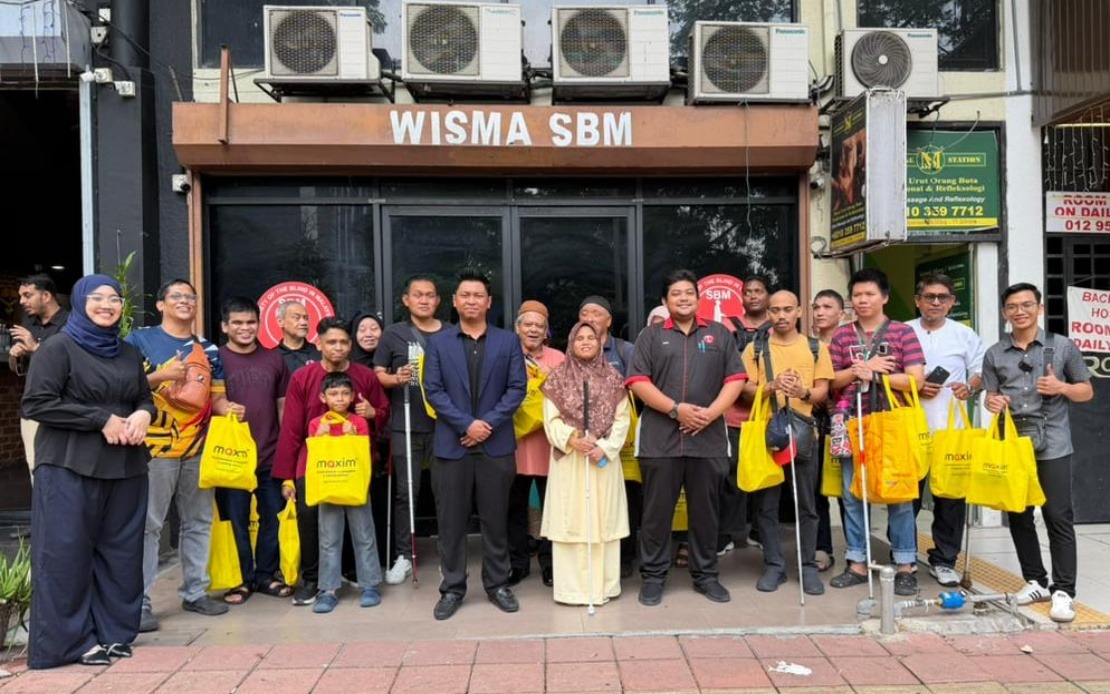
E-hailing service Maxim is accelerating its push to dismantle transportation barriers facing Malaysia's most vulnerable populations, including persons with disabilities, elderly citizens, economically disadvantaged families, and remote communities. The platform's commitment centres on three pillars: competitive pricing structures, technological innovation, and coordinated engagement with organizations serving these groups. Syed Abdul Syarif Syed Peiaru, Head of Maxim Kuala Lumpur, underscored that transportation transcends mere point-to-point movement—it represents the foundation upon which independence, opportunity, and social participation rest for marginalized demographics.
Maxim's vision recognizes that reliable mobility directly influences a person's capacity to pursue educational advancement, secure employment, obtain medical services, and maintain social connectivity. When transportation becomes inaccessible or unaffordable, systemic exclusion follows. By positioning ridesharing as an enabler of independence rather than a luxury commodity, Maxim addresses a genuine gap in Malaysia's transport ecosystem where conventional options often fail vulnerable populations. The initiative reflects broader regional trends in Southeast Asia where mobility platforms increasingly recognize social responsibility as integral to business sustainability and market expansion beyond affluent urban centres.
The flagship Mesra OKU service exemplifies Maxim's operational approach to accessibility. This specialized offering extends passenger waiting periods beyond standard timeframes, deploys drivers trained in disability support protocols, provides assistance with mobility aids, and incorporates voice-recognition booking capabilities for users with visual impairments. By enabling passengers to flag their specific requirements through the application interface, Maxim creates customized journey experiences rather than imposing one-size-fits-all solutions. This granular approach to service design demonstrates how fintech-enabled platforms can accommodate diverse needs more efficiently than traditional transport modes.
Technology functions as an essential equalizer within Maxim's accessibility framework. The platform's digital architecture emphasizes transparent pricing visibility, real-time driver location tracking, and streamlined booking workflows that reduce friction points for less digitally experienced users. Strategic partnerships with the Society of the Blind in Malaysia exemplify how the company integrates accessibility advocacy into product development. Promoting TalkBack voice features and tailoring digital solutions specifically for visually impaired users transforms the app from a mere transaction interface into a gateway designed from the ground up for inclusive participation.
Malaysian context matters significantly here. As a developing economy with substantial rural populations and dispersed communities, Malaysia faces acute last-mile connectivity challenges where conventional ride-sharing economics prove unviable. Maxim's commitment to expanding into underserved areas alongside reduced-fare structures directly addresses this infrastructure gap. For low-income urban families and elderly citizens in suburban zones, affordable e-hailing access eliminates transportation costs that previously competed with expenditures on healthcare, education, or food security. This redistributive function carries measurable socioeconomic implications across Malaysian households.
The specialized pricing initiatives targeting persons with disabilities represent deliberate subsidy mechanisms rather than token gestures. By anchoring affordability within the platform's core value proposition rather than treating it as corporate charitable outreach, Maxim normalizes access rather than stigmatizing dependence. This distinction carries psychological and social weight—users receive services as customers exercising market choice rather than as recipients of benevolence. Such framings influence how vulnerable populations internalize their relationship with mobility infrastructure.
Maxim's engagement with hospitals, educational institutions, NGOs, and community organizations creates ecosystem effects extending beyond individual transactions. Partnerships with medical facilities enable patients to reliably attend appointments without transportation anxiety. Collaborations with schools facilitate student attendance and reduce dropout rates correlated with commute difficulties. NGO partnerships translate directly into expanded outreach for social services. These interlocking connections transform e-hailing from an isolated service into infrastructure supporting broader health, education, and social welfare systems.
The para-athlete support initiative, including transport assistance for Sarawak para swimmers, demonstrates how accessibility principles apply across diverse contexts including competitive sports. Athletes with disabilities frequently face logistical barriers that non-disabled competitors never encounter. By institutionalizing transport support for adaptive sports communities, Maxim removes friction that discourages talent development and athletic participation. This ripple effect extends beyond individual athletes to normalize disability representation across Malaysian sporting culture.
As Southeast Asian mobility markets mature, regulatory and competitive dynamics increasingly reward companies demonstrating genuine social commitment. International investors, government agencies, and consumers increasingly scrutinize corporate impact claims. Maxim's structural investments in accessibility—driver training programs, technology customization, partnership networks, and pricing subsidies—represent substantive operational commitments rather than marketing superficiality. This positioning advantages Maxim within regulatory environments and consumer preferences increasingly valuing inclusive capitalism.
Looking forward, Maxim's stated intention to deepen engagement with government agencies, healthcare providers, and educational institutions signals recognition that accessibility challenges exceed any single company's capacity. Systemic transportation inequity reflects coordination failures across public and private sectors. By positioning itself as a collaborative partner rather than a standalone solution, Maxim acknowledges that sustainable accessibility requires shared responsibility. For Malaysian policymakers considering mobility infrastructure investments, Maxim's model offers insights into how market mechanisms can complement public provision.
The company's emphasis on user-centric refinement—continuously soliciting feedback from disabled communities regarding platform functionality—institutionalizes accountability mechanisms. Rather than imposing external assumptions about disability needs, this approach centers disabled users as design experts. Over time, such participatory development generates more sophisticated solutions than designers working in isolation could produce. For Malaysia's emerging ecosystem of inclusive-economy innovators, this methodology offers replicable principles applicable across sectors beyond transportation.
Maxim's accessibility initiatives ultimately reflect conviction that transportation equity constitutes economic and social infrastructure as fundamental as electricity or telecommunications. When mobility becomes universally accessible and affordable, previously excluded populations contribute economically and socially in ways that expand aggregate opportunity. This virtuous cycle benefits not only direct beneficiaries but entire communities gaining economic dynamism from fuller participation. As Malaysia navigates post-pandemic recovery and digital transformation, platforms treating accessibility as core mission rather than peripheral responsibility position themselves as partners in building genuinely inclusive prosperity.

