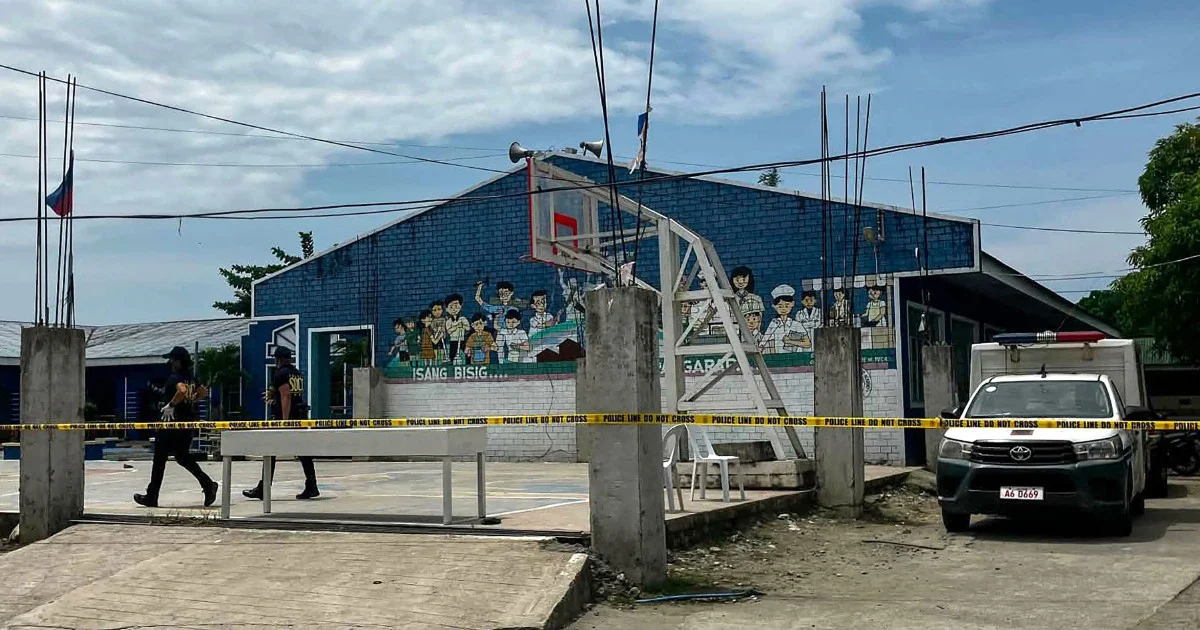
Philippine President Ferdinand Marcos Jr has directed authorities to launch a comprehensive investigation into a shooting incident at a school in Tacloban that resulted in three fatalities and left five others injured. The presidential order, issued on Monday, reflects growing concern within the administration regarding armed violence occurring within educational settings across the archipelago.
Tacloban, located in the Eastern Visayas region on the island of Leyte, has experienced periodic security challenges in recent years. The city serves as a regional economic and administrative hub, making the incident particularly significant given its impact on public safety perceptions in a major urban centre. The shooting at an educational institution raises alarm bells among parents, school administrators, and community leaders throughout the broader region, as schools are expected to remain sanctuaries for learning and child development.
The investigation ordered by Marcos is likely to examine multiple dimensions of the incident, including the shooter's identity, motive, access to firearms, and systemic security gaps at the affected school. Philippine authorities will need to determine whether the perpetrator acted alone or had accomplices, and whether any prior warning signs or intelligence reports suggested a potential threat. The inquiry may also assess compliance with existing school security protocols and whether additional safeguarding measures are necessary across the education sector.
Gun violence in schools has emerged as a recurring concern for the Philippine government, particularly as urbanisation has accelerated and access to firearms has become more widespread in certain communities. Unlike some neighbouring countries with more restrictive weapon policies, the Philippines permits civilian firearm ownership under regulated conditions, creating a balancing act between constitutional rights and public safety imperatives. The Marcos administration has previously signalled its commitment to addressing violent crime, and this latest directive underscores that commitment in the education domain.
The impact on the Tacloban community will likely be substantial and multifaceted. Families of victims will seek accountability and justice, while other parents may reconsider school safety arrangements for their children. Teachers and school staff may experience psychological trauma, affecting morale and educational quality. The incident will inevitably spark broader national discussions about mental health screening, threat assessment protocols, and whether current firearm regulations adequately prevent dangerous individuals from obtaining weapons.
From a regional perspective, Southeast Asian nations have generally maintained stricter firearms controls than the Philippines, though most continue to grapple with localised security issues. The Tacloban incident provides a cautionary reference point for other ASEAN member states considering how to balance public order with individual freedoms. It also highlights the transnational nature of security challenges in the region, where best practices in school safety and violence prevention can be shared across borders.
The presidential investigation will likely involve cooperation between local police, the Philippine National Police's Criminal Investigation and Detection Group, and potentially the National Bureau of Investigation. Coordination between these agencies is essential to ensure a thorough, impartial examination of events leading up to and following the shooting. Evidence preservation, witness statements, and forensic analysis will all factor into determining the complete sequence of events.
Meanwhile, the Marcos administration's broader law enforcement agenda faces scrutiny regarding its effectiveness in preventing violent incidents. While the previous administration under Rodrigo Duterte pursued an aggressive drug war, the current leadership has emphasised institutional reform and investigative rigour. This school shooting provides a test case for whether those policy shifts translate into more effective violence prevention and community protection.
The incident also raises questions about school security infrastructure across the Philippines. Many educational institutions, particularly in provincial cities like Tacloban, operate with limited security personnel and minimal access control measures. Implementing comprehensive safety upgrades would require significant budgetary investment, creating potential resource allocation dilemmas for the Department of Education and individual school divisions already stretched by competing priorities ranging from curriculum development to teacher compensation.
Community healing and psychosocial support will be critical in the shooting's aftermath. Schools affected by mass violence typically experience disruptions to learning for extended periods as students and staff process trauma. Counselling services, memorial activities, and transparent communication from school leadership become essential components of institutional recovery.
The investigation's findings may inform policy adjustments at national and local levels. Whether recommendations will focus on stricter firearm licensing, enhanced background checks, improved school security architecture, or mental health intervention programmes remains to be seen. The presidential directive signals that this incident will not be dismissed as an isolated tragedy but rather examined rigorously for systemic lessons.
As the investigation unfolds, Philippine authorities will likely face pressure from multiple stakeholders—parents demanding accountability, civil society organisations advocating for gun control, constitutional scholars defending due process rights, and security experts proposing operational improvements. Balancing these competing interests while maintaining investigative integrity will challenge both the inquiry team and broader governance structures.

