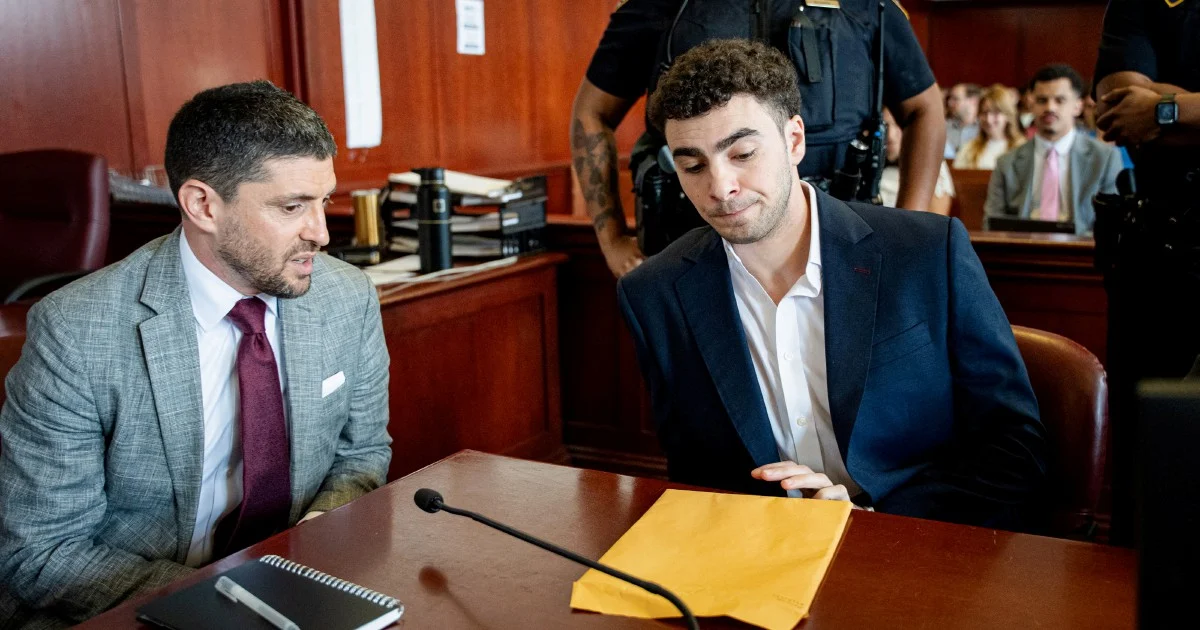
Luigi Mangione, the suspect charged with fatally shooting health insurance executive Brian Thompson on a Manhattan street, has made a significant strategic shift in his legal defence by withdrawing his plans to introduce evidence of severe mental health distress at the time of the alleged shooting. The decision, revealed through a court filing on Friday, represents a notable tactical recalibration as his legal team navigates the high-profile case that has captured national attention.
The withdrawal of the mental health defence strategy does not indicate Mangione's acceptance of guilt, but rather reflects his defence counsel's reassessment of which arguments may prove most effective in securing acquittal. Defence teams in major criminal cases routinely evaluate multiple potential strategies during preliminary phases, and the decision to defer mental health evidence presentation may signal that lawyers believe other defence approaches could be more persuasive to a jury. The specific reasons for this tactical shift remain unclear from the public record, though defence attorneys often withdraw certain strategies if they believe evidence supporting them is insufficient or could inadvertently harm the defendant's overall case narrative.
Thompson's killing in December 2024 on a Manhattan sidewalk shocked the American public and reignited national conversations about violence, healthcare corporate leadership, and the intense frustration many individuals harbour toward the health insurance industry. Thompson's position as chief executive of UnitedHealthcare, one of the nation's largest health insurance providers, made him a high-profile target, and his death sparked considerable social media discussion about healthcare inequity and corporate accountability. The circumstances of his death elevated what might otherwise have been a conventional homicide investigation into a case with broader cultural significance.
Mangione's case has been marked by intense legal maneuvering from the outset. The decision to pursue or shelve potential mental health defences represents only one of numerous strategic considerations his legal team must navigate. By filing notice of withdrawal, defence attorneys ensure they maintain maximum flexibility in their approach while avoiding any suggestion that they are unprepared or disorganized. Courts prefer advance notice of major evidentiary strategies, and the formal withdrawal prevents complications later if the defence team decides to change course again.
The withdrawal is described as temporary — Mangione's team reserved the right to reintroduce mental health evidence if circumstances warrant. This preservation of options is standard practice in complex criminal cases where facts and circumstances may evolve through discovery, witness interviews, or expert evaluation. Defence attorneys frequently maintain multiple potential lines of argument, introducing them strategically as trial approaches and the full contours of the prosecution's case become apparent through discovery processes.
For Malaysian and Southeast Asian observers, this case demonstrates how affluent Western legal systems afford accused individuals substantial resources to develop sophisticated defence strategies, often spanning months of preparation. The contrast with criminal justice systems elsewhere underscores significant disparities in how different societies allocate legal resources and stage-manage major criminal prosecutions through extensive pretrial positioning.
The health insurance industry itself has emerged as an unexpected focal point in this case. UnitedHealthcare and the broader US health insurance sector face mounting criticism from policymakers, medical professionals, and patient advocates over denial of coverage and administrative barriers to care. Thompson's profile as a health insurance executive elevated questions about whether his death should be understood primarily as a criminal homicide or as a symptom of deeper systemic tensions within American healthcare. These contextual factors may influence jury sentiment, though formal evidence regarding healthcare industry criticisms would likely be deemed inadmissible in a murder trial focused on specific criminal conduct.
Mangione faces serious charges in connection with Thompson's death. The specifics of the alleged crime — including ballistic evidence, forensic analysis, witness testimony, and digital records — will form the backbone of the prosecution's case. The defence's decision to withdraw mental health evidence may reflect confidence in challenging prosecution evidence on more conventional grounds, such as identification, forensics, or procedural violations.
As the case progresses toward trial, legal observers will watch closely for additional strategic announcements. Defence teams in high-stakes murder cases often file motions and notices in measured sequence, revealing their hand incrementally while preserving maximum tactical advantage. The withdrawal of the mental health defence, while significant, may represent only one element of a broader litigation strategy that continues to develop.
The timing and significance of Thompson's killing cannot be separated from broader social currents. In recent years, American healthcare workers and executives have faced escalating threats and occasional violence from frustrated patients and their advocates. The healthcare sector's contentious relationship with public sentiment has made industry figures increasingly visible — and, some might argue, increasingly vulnerable. Whether this cultural context will influence judicial or jury perspectives on Mangione's case remains to be seen.
As discovery processes continue and trial preparation advances, both the prosecution and defence will refine their respective narratives. Mangione's legal team's willingness to reassess and modify strategies suggests they remain confident in their ability to mount an effective defence, even if the specific tools at their disposal continue to evolve.

