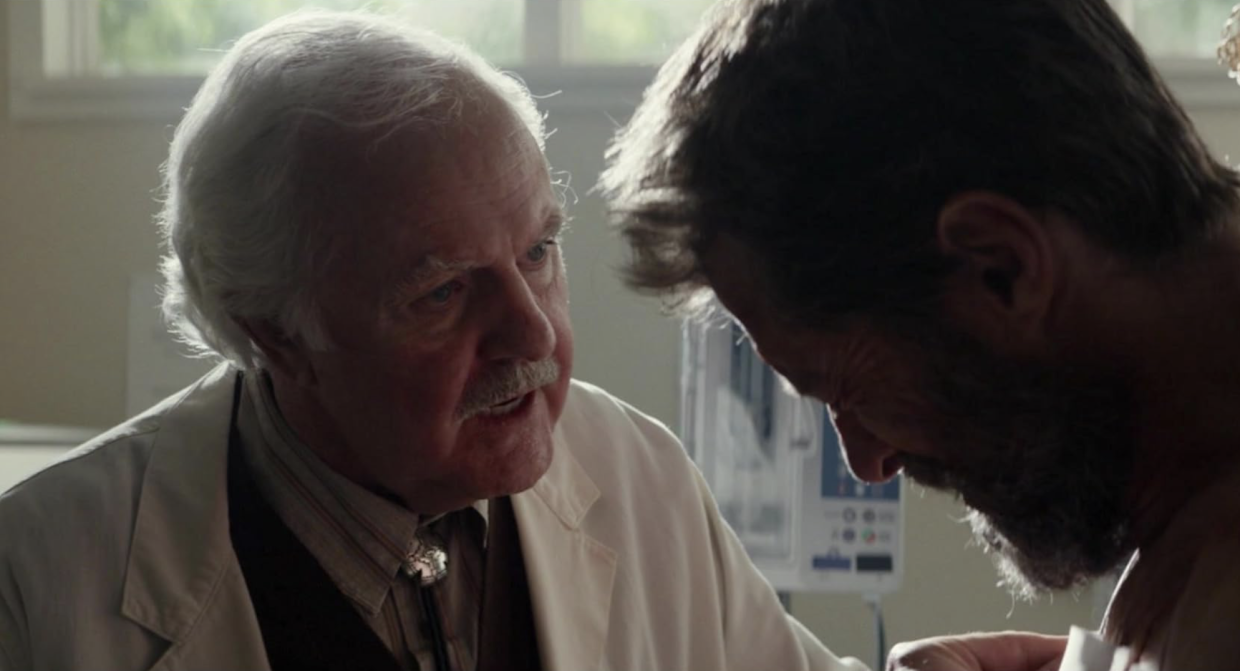
A Los Angeles Superior Court judge has ruled that a man accused of murdering veteran character actor James Handy is mentally unfit to proceed with criminal prosecution, marking a significant development in a case that has raised questions about mental health and community safety in the entertainment industry. Judge Maria Cavalluzzi determined on Monday that 44-year-old Michael Gledhill lacks the psychological capacity to comprehend the charges he faces or to work rationally with his legal team in mounting a defence, triggering automatic suspension of trial proceedings and a focus on mental health treatment rather than criminal adjudication.
Gledhill was taken into custody after approaching police and identifying himself as the person they were seeking in connection with Handy's death. Emergency responders had been summoned to a residence following a 911 call in which the caller stated, "I am the son of man, I just killed the man of sin," according to police records. The nature of the incident and the circumstances surrounding Gledhill's voluntary identification have raised significant questions within legal and mental health circles about the intersection of untreated psychiatric conditions and violent behaviour.
The path toward today's ruling began in June when Gledhill was scheduled for an initial court appearance. Rather than proceeding with standard arraignment procedures, the judge instead transferred the case to a specialised mental health court designed specifically to evaluate defendants whose competency is in question. This procedural move, which interrupts the normal criminal justice timeline, reflects growing recognition within the American legal system that some individuals require psychiatric intervention before trial can meaningfully proceed.
Psychiatric evaluations conducted through the mental health court concluded swiftly that Gledhill did not meet the legal standard for competency. Judge Cavalluzzi's formal ruling on Monday aligned with these assessments, finding that his mental condition rendered him unable to understand the nature of the case against him or to provide meaningful assistance to his defence counsel. This determination has serious implications, as it means the traditional criminal trial process has been placed in abeyance pending potential restoration of his mental fitness.
Beyond competency for trial, the court also addressed Gledhill's capacity to make decisions regarding his own medical treatment. Cavalluzzi signed an order permitting involuntary medication for a period of one year, based on psychiatric testimony that pharmaceutical intervention could substantially improve his mental health status. Such orders, though designed to facilitate recovery, remain controversial in mental health advocacy circles, though proponents argue they can be essential when individuals pose a danger to themselves or others.
The 81-year-old Handy, whose career spanned decades in film and television, had established himself as a recognisable character actor with numerous credits across the entertainment landscape. According to Brian Delate, a longtime friend and fellow actor, Handy had been residing primarily in Gledhill's mother's garage, which she had arranged for her son to inhabit. Delate recounted that Handy maintained his own residence but spent considerable time at the garage space, and that Handy had previously mentioned in conversation that his girlfriend's son struggled with mental health challenges.
The structure of living arrangements prior to the incident underscores the vulnerability that can arise when individuals with untreated psychiatric conditions live in close proximity to others. Delate's account suggests that those around Gledhill may have had some awareness of his psychological struggles, yet the case highlights the difficulty families and communities face in obtaining appropriate mental health resources and intervention before crises occur.
Cavalluzzi scheduled a hearing for 14 July at which the court will determine appropriate long-term placement and ongoing treatment for Gledhill. Should he eventually be deemed mentally competent to stand trial following treatment and evaluation, the case would then proceed through the criminal justice system to prosecution. This conditional pathway represents the modern approach to cases where severe mental illness intersects with serious criminal allegations.
The suspension of criminal proceedings in favour of mental health treatment reflects evolving jurisprudence that recognises the futility and ethical problems inherent in trying individuals who cannot meaningfully participate in their own defence. However, it also means that resolution of the case may take considerably longer than a straightforward prosecution, leaving questions about justice and accountability unresolved for the Handy family and the community.
For Malaysian observers, this case offers insights into how developed legal systems attempt to balance criminal accountability with mental health considerations, a challenge that Southeast Asian courts increasingly face as psychiatric awareness grows. The case demonstrates the importance of early intervention, community mental health resources, and crisis support systems in preventing tragic outcomes. Defence attorneys for both prosecution and defence have not yet provided statements regarding the competency ruling or anticipated next steps.

