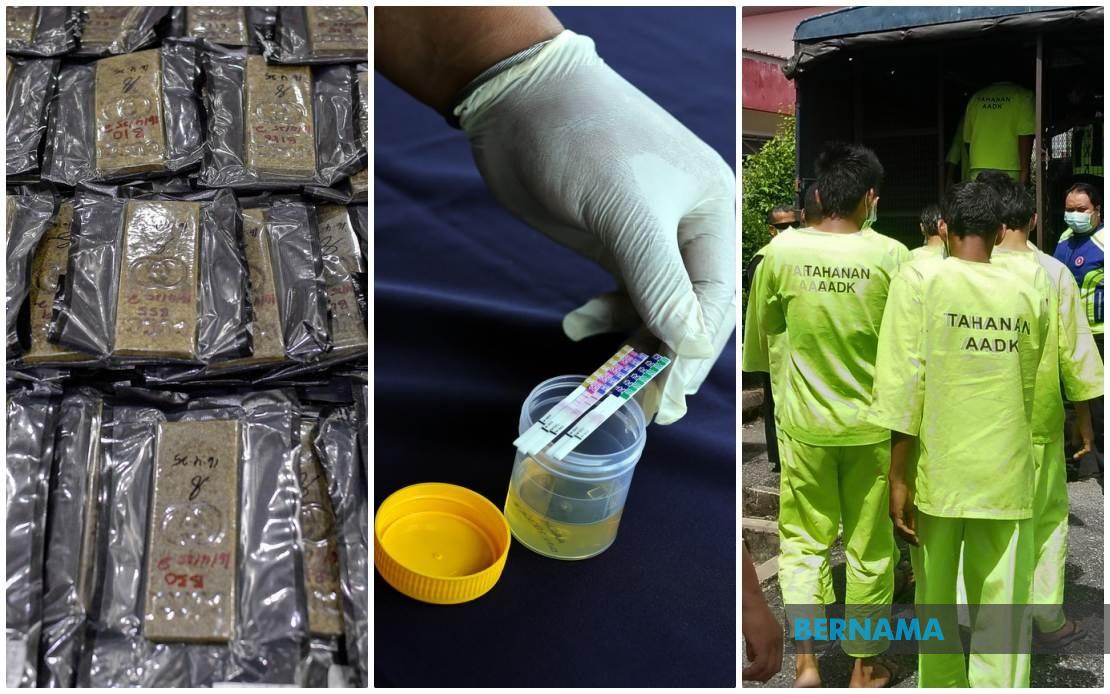
Malaysia's struggle with synthetic drugs has intensified dramatically, with Home Minister Datuk Seri Saifuddin Nasution Ismail revealing that 141,817 cases were recorded in 2024—part of an alarming upward trajectory that saw 145,526 cases in 2023 and 192,852 cases reported across all drug types so far this year. The escalating numbers paint a picture of a nation grappling with a substance abuse epidemic that shows no signs of abatement, raising serious questions about enforcement effectiveness and prevention strategies across Southeast Asia's second-largest economy.
Synthetic drugs have become the dominant force in Malaysia's drug landscape, accounting for approximately 70 per cent of all recorded abuse cases nationwide. The primary culprit remains amphetamine-type stimulants (ATS), particularly methamphetamine locally known as syabu, which has largely superseded traditional narcotics among Malaysian users. This fundamental shift in drug preferences reflects global trends but carries specific implications for a country already burdened by outdated enforcement frameworks and inadequate rehabilitation infrastructure designed for earlier generations of drug problems.
The geographical concentration of the crisis presents a troubling pattern that demands targeted intervention. Data compiled from the Ministry of Health, the National Anti-Drugs Agency (AADK), Narcotic Addiction Rehabilitation Centres (Puspen), and the Royal Malaysia Police (PDRM) consistently identifies Malaysia's east coast corridor as the epicentre of synthetic drug abuse. Within this region, the crisis has fundamentally transformed from traditional substance dependencies to aggressive pursuit of ATS products, marking a generational shift in user behaviour and distribution networks. Districts such as Pendang, Kuala Krai, Bachok, Besut, and Mersing have emerged as particular hotspots, suggesting either greater availability through distribution channels, higher underlying vulnerability factors, or both.
The demographic profile of abuse has crystallised around younger Malaysians, with nearly 75 per cent of the 192,000 recorded cases involving individuals aged between 15 and 39 years old. This concentration among prime working-age and school-age populations carries profound economic and social consequences for Malaysia's development trajectory. The imprisonment data further underscores the scale: approximately 70 out of every 100 inmates nationwide are linked to drug-related offences, whether as convicted prisoners or those on remand awaiting trial. In certain institutions such as Machang prison, drug-related cases approach 100 per cent of the inmate population, effectively transforming correctional facilities into de facto substance abuse detention centres rather than rehabilitation establishments.
A particularly alarming development involves the emergence of fentanyl as an active threat within Malaysian drug markets. Although currently not reaching the widespread prevalence of traditional ATS products, authorities have begun detecting fentanyl in adulterated vapes and other delivery mechanisms seized during enforcement operations. The potency differential—fentanyl being dozens of times more powerful than morphine—represents an existential danger that Malaysian authorities have responded to through legislative amendment. Fentanyl has been formally incorporated into the schedule of controlled substances under amendments to both the Drug Dependants (Treatment and Rehabilitation) Act and the Dangerous Drugs Act 1952, granting enforcement agencies the legal instruments to prosecute possession and trafficking. However, the novelty of this threat and its integration into vape products suggests that detection and prevention mechanisms remain inadequate.
The government has deployed a multifaceted response strategy incorporating prevention, education, and enforcement components. The AADK has implemented community-based prevention initiatives, educational programmes within schools and educational institutions, and intervention schemes targeting family structures and workplace environments. Law enforcement coordination between PDRM and the Customs Department aims to intercept supply chains, though success metrics remain opaque. These conventional approaches, however, appear insufficient when measured against the consistent upward trajectory of recorded cases, suggesting either that the drug problem is genuinely expanding or that enforcement intensity is increasing detection without proportionally reducing underlying consumption.
Digitalisation has fundamentally altered the dynamics of drug distribution in ways that existing enforcement frameworks struggle to address effectively. Online platforms now facilitate drug transactions across vast geographical distances with minimal regulatory oversight, as these marketplaces operate outside traditional supply chain controls. The anonymity inherent in digital commerce, coupled with cryptocurrency payment methods and international shipping logistics, has created enforcement challenges that individual national agencies cannot adequately combat through conventional interdiction. Malaysian authorities acknowledge this limitation, recognising that technological advancement has democratised access to synthetic drugs while simultaneously complicating the identification and prosecution of suppliers.
The scale of incarceration related to drug offences raises fundamental questions about whether Malaysia's criminal justice approach has prioritised supply interdiction and user punishment over demand reduction and treatment accessibility. The overwhelming presence of drug-related cases within the prison system suggests that the enforcement apparatus has been highly effective at arrest and prosecution but potentially less successful at preventing recidivism or addressing underlying addiction factors. When correctional facilities become repositories for drug offenders rather than transformative institutions, the system perpetuates cycles of addiction, criminalisation, and reoffence that disproportionately affect marginalised communities and regional populations.
Regionally, Malaysia's experience reflects broader Southeast Asian challenges that transcend national boundaries. Drug production and trafficking networks operate across multiple jurisdictions, with synthesis facilities potentially located in different countries while end-users scatter across the region. The emergence of fentanyl within Malaysian markets likely follows regional distribution patterns established through organised crime networks operating across the ASEAN space. This transnational dimension demands coordinated multilateral responses that exceed what any single nation can achieve through unilateral enforcement, yet such coordination remains underdeveloped within Southeast Asian frameworks despite repeated pledges of regional cooperation.
The concentration of cases among youth aged 15-39 suggests that prevention education has failed to inculcate protective attitudes toward synthetic drugs, or that socioeconomic conditions in vulnerable communities create sufficient desperation to overcome deterrent effects of known legal penalties. Neither explanation is particularly comforting for policymakers attempting to address the crisis, as both imply systemic failures in either educational effectiveness or economic opportunity provision. The east coast region's particular vulnerability may reflect both geographical remoteness from regulatory oversight and limited economic alternatives that could compete with drug-related income opportunities.
Moving forward, Malaysian authorities face difficult choices about resource allocation between supply reduction, demand prevention, and treatment provision. Current spending patterns appear weighted heavily toward enforcement despite the consistent expansion of abuse cases, suggesting diminishing returns from intensified prosecution strategies. International evidence increasingly supports harm reduction approaches and treatment-focused models, yet Malaysia's drug policy framework remains predicated on criminalisation and punishment. The emergence of fentanyl as a new frontier within this ecosystem adds urgency to these policy questions, as the stakes of enforcement failure have literally become life-or-death matters involving substances measured in micrograms rather than grams.
The revelation of 192,852 drug-related cases projected for 2024 places Malaysia among the most severely affected nations globally in terms of recorded prevalence rates. At 560 cases per 100,000 Malaysians, the national rate suggests that synthetic drug abuse has become woven into the fabric of Malaysian society across demographic, geographic, and socioeconomic categories. This is not merely a problem affecting marginal populations or specific regions, but a national crisis requiring comprehensive transformation of both enforcement strategies and social policy approaches to address the underlying factors driving millions of Malaysians toward synthetic substance dependence.

