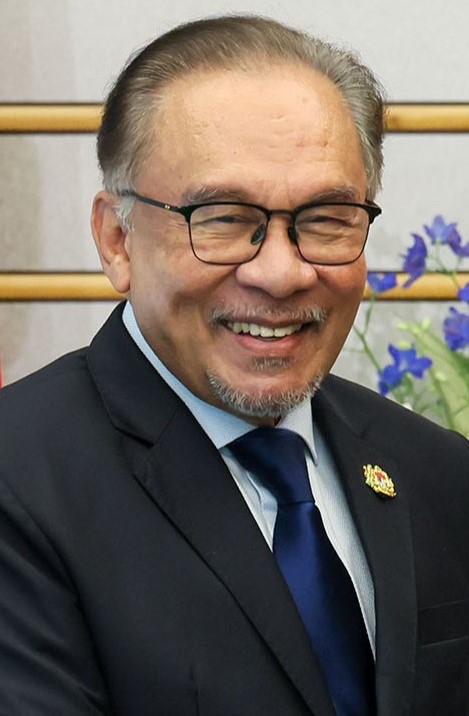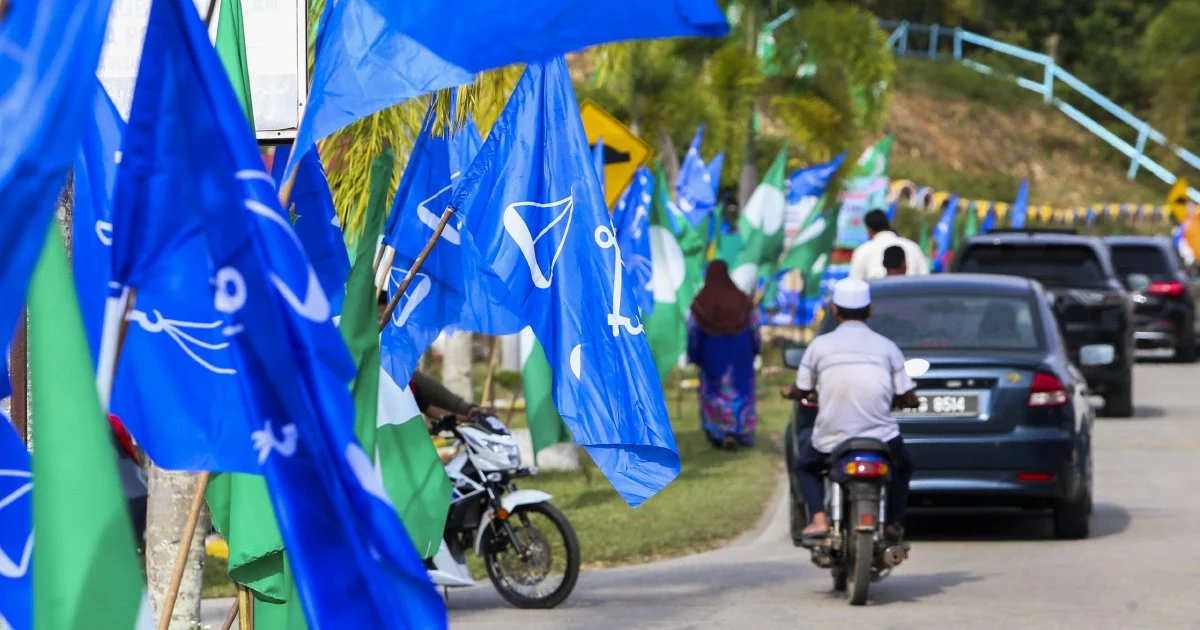
The timeline for Malaysia's next general election is beginning to crystallise, with senior Islamist party leadership publicly indicating that voters could head to the polls in the final months of 2024. Speaking in Kota Baru, Pas vice-president Datuk Mohd Amar Nik Abdullah has staked out a window between late October and November for the 16th general election, lending credibility to long-running speculation about when Prime Minister Anwar Ibrahim might dissolve parliament and seek a fresh mandate.
The indication from Pas, which holds significant sway within the current ruling coalition structure, carries particular weight given the party's proximity to government decision-making. As a major component of the Perikatan Nasional opposition bloc and a crucial swing force in Malaysian politics, Pas has consistently positioned itself as privy to high-level political movements. Datuk Amar's public positioning of an election window suggests the party has either been briefed on government thinking or is engaging in carefully calibrated political signalling ahead of a possible announcement.
The October-November timeframe aligns with several practical and political considerations that observers have long identified. The timing would allow the government to complete key legislative business during the current parliamentary session while avoiding the chaos that would accompany dissolution during the sensitive budget-approval process. From a political standpoint, holding the election in the year's final quarter could work to the government's advantage by allowing additional time for cabinet initiatives to gain traction and voter perception to shift in their favour.
For Malaysian voters and political analysts, the Pas signal adds another data point to an already fluid electoral landscape. Since Anwar Ibrahim took office in November 2022, multiple election dates have been floated, speculated upon, and ultimately deferred. The government has maintained flexibility on the timing, resisting pressure from within its own coalition to call the election sooner. This strategic ambiguity has allowed the administration to control the narrative around its readiness for fresh polls whilst maintaining pressure on opposition parties to remain in a state of electoral preparedness.
The likely election period poses significant implications for Malaysia's Southeast Asian neighbours and the broader region. A renewed mandate or shifted parliamentary composition could influence the country's foreign policy approach, economic priorities, and standing within Asean. Investors and regional observers are watching closely to understand whether continuity or substantial change awaits Malaysian governance following the polls. The electoral period itself could create a window of relative policy uncertainty as government energies focus on campaign activities rather than substantive legislative or administrative work.
Within the government coalition itself, the Pas statement reveals interesting dynamics. The party's willingness to publicly discuss election timing suggests confidence in its own electoral prospects and its bargaining position within the Pakatan Harapan-led administration. Pas benefits politically from being perceived as an insider with access to government confidences, even as it maintains opposition credentials that resonate with its core constituency. This balancing act between insider status and populist opposition framing has defined much of Pas's strategy in recent years.
For opposition parties ranging from hardcore Perikatan supporters to component parties of the former Harapan administration, the October-November window presents both challenge and opportunity. Earlier elections would force rapid coalition-building and campaign preparation, potentially advantaging incumbents with greater institutional resources. However, longer preparation time could allow fractious opposition groups to negotiate seat distributions, unified platforms, and messaging strategies that might prove more competitive against a government that has already begun using state machinery for campaign purposes.
The economic calendar also intersects with electoral considerations. An October-November election would fall after the government's fiscal year-end reporting, allowing authorities to present economic performance data that might influence voter sentiment. Currency markets, foreign investment flows, and inflation trends in the months preceding such an election could all shape the political environment in which campaigning occurs. Malaysian businesses and economic actors have shown keen interest in the election timeline precisely because it determines the window during which policy certainty might be compromised by campaign-season politics.
Regionally, the timing matters for Asean cohesion and bilateral relationships. A Malaysian election campaign would inevitably consume political oxygen that might otherwise flow toward regional initiatives, dispute resolution mechanisms, and coordination on shared challenges. Given ongoing discussions about South China Sea management, climate action pledges, and trade arrangements, the election period could create a temporary reduction in Malaysia's capacity to lead or participate fully in regional forums.
The Pas indication also underscores how electoral timing in Malaysia increasingly shapes public discourse well in advance of any formal announcement. Political parties, financial markets, media organisations, and civil society groups are now preparing on multiple fronts for what would be the nation's sixth general election since democratisation in 1999. The stakes involved in government formation have grown more complex, with coalition mathematics now involving multiple parties across ideological and geographic divides, making pre-election positioning extraordinarily intricate.
Looking forward, confirmation of the October-November timeframe would likely trigger formal campaigning within weeks of any announcement. Campaign finance regulations, media coverage rules, and inter-party coordination mechanisms would spring into operation, dramatically altering the political atmosphere. The Pas statement serves as an unofficial heads-up to the broader political ecosystem that this critical moment may be approaching faster than some observers have anticipated, allowing parties and voters alike to prepare for what would be a pivotal moment in Malaysian democracy.