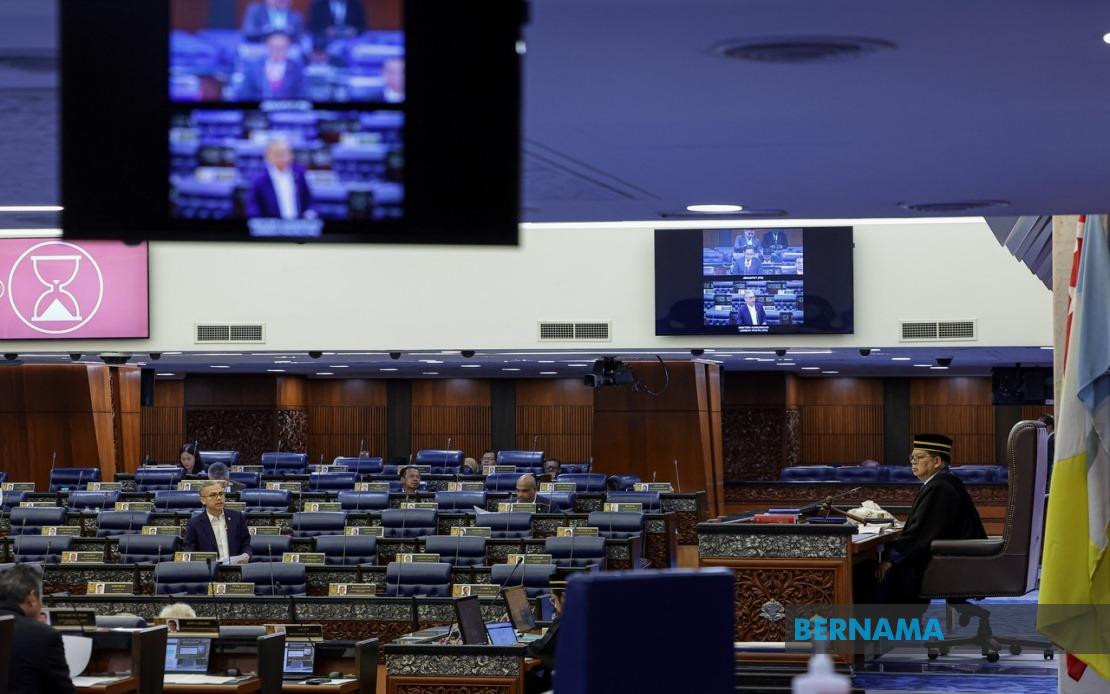
Malaysia's Communications Minister Datuk Fahmi Fadzil has confirmed that the recently enacted Child Protection Code establishes a mandatory age-verification framework designed to safeguard minors from online threats whilst maintaining practical accessibility for eligible users. The code, which took effect on June 1 following its May 22 release by the Malaysian Communications and Multimedia Commission, represents a significant regulatory shift in how social media platforms must operate within the country's jurisdiction under the Online Safety Act 2025.
The regulatory regime introduces what officials have termed the "Tunggu 16" initiative, establishing 16 years as the minimum age threshold for social media account registration and use. This approach diverges from the traditional identity verification methods previously employed by some platforms, instead requiring service providers to implement age-verification mechanisms that confirm users meet the minimum requirement without necessarily capturing extensive personal information. The distinction reflects a deliberate policy choice to balance child protection with privacy considerations, a concern that has gained prominence across Southeast Asia as regulators grapple with digital governance.
Under the framework, licensed social media service providers face a legal obligation to deploy age-verification systems across their platforms operating in Malaysia. The mechanism must rely exclusively on official Malaysian government documentation, including MyKad national identity cards, passports, or birth certificates. This requirement ensures verification occurs through verifiable records rather than user self-declaration, substantially reducing the possibility of circumvention by determined minors. The code also permits equivalent documentation issued by foreign government authorities, acknowledging that Malaysia's significant expatriate and immigrant populations require equitable access to these protections.
Fahmi emphasised that the implementation approach must balance security with practicality and privacy preservation. Service providers operating under the code must comply with Malaysia's Personal Data Protection Act and related legislation, adhering strictly to data minimisation principles that limit information collection to what is absolutely necessary for age verification purposes. This requirement addresses widespread concerns about mission creep in data collection practices, where systems ostensibly designed for one purpose become vehicles for broader consumer profiling and behavioural tracking. Once age verification is complete and confirmed, collected data must be systematically and securely deleted rather than retained for subsequent commercial purposes.
The Child Protection Code functions as a companion regulatory instrument alongside the Risk Mitigation Code, both issued under the Online Safety Act 2025. Together, these codes establish a comprehensive framework addressing multiple dimensions of online child safety. While the age-verification mechanism targets access control, the broader regulatory regime encompasses protections against exploitative content, cyberbullying, data exploitation, and algorithmic harms that have increasingly affected younger users across Southeast Asia. This multi-layered approach suggests Malaysian policymakers recognise that age restrictions alone cannot guarantee safety without complementary content moderation and platform accountability measures.
The policy explicitly rejects permanent exclusion of children from digital social participation, instead positioning the 16-year threshold as a developmentally informed delay rather than an absolute prohibition. Malaysian policymakers framed the initiative as providing younger children with additional years to develop critical digital literacy and emotional maturity before engaging with social platforms that research increasingly links to mental health challenges, particularly among early adolescents. This reasoning aligns with growing international consensus among child development researchers and public health specialists who advocate for delayed social media exposure during formative developmental periods.
The implementation timeline and enforcement mechanisms remain partially opaque in official communications. Service providers will require time to redesign authentication systems and integrate official government verification databases, a transition that could create temporary compliance challenges for platforms operating across multiple jurisdictions simultaneously. Additionally, the practical effectiveness of the regime depends substantially on genuine cooperation from technology companies, some of whom have historically resisted strict age-verification requirements citing technical limitations and user privacy concerns. Whether Malaysian regulatory authorities possess sufficient enforcement capacity to compel compliance from major international platforms remains an unresolved practical question.
For Malaysian families and young users, this regulatory shift introduces tangible changes to digital access patterns. Teenagers aged 13 to 15 will find themselves unable to create new accounts on regulated social media platforms, potentially affecting peer communication and digital social participation during formative adolescent years. However, the policy preserves parental discretion by not technically prohibiting family-controlled accounts or supervised usage under parental oversight, though such arrangements would technically violate platform terms of service. This regulatory-practical disconnect may create ongoing ambiguity about enforcement against household usage patterns.
The regulation also carries implications for Malaysian technology businesses and digital service providers, many of whom offer social media functionality or content aggregation services. Compliance costs associated with integrating government verification systems may disproportionately affect smaller domestic platforms, potentially consolidating market dominance among larger international providers who can more readily absorb implementation expenses. This outcome could paradoxically reduce diversity in the Malaysian digital services ecosystem whilst doing little to constrain the actual commercial dominance of major American and Chinese platforms that users widely access despite geographic restrictions.
Regionally, Malaysia's approach provides a significant policy test case for other Southeast Asian nations considering similar age-verification frameworks. Countries including Singapore, Indonesia, and the Philippines have independently proposed comparable restrictions, though implementation has proceeded unevenly. Malaysia's regulatory approach, combining mandatory government document verification with strict data protection requirements, offers a potential model whilst also revealing the practical challenges of enforcing such requirements against determined users and non-compliant platforms. The success or difficulties encountered during the initial implementation phase will likely influence regulatory decisions across the broader Southeast Asian region.
The regulatory framework also reflects Malaysia's broader effort to position itself as a jurisdiction taking digital governance and child protection seriously, messaging potentially relevant to international discussions about online safety standards and technology regulation. As global policymakers increasingly scrutinise social media platforms' impacts on young users, Malaysia's explicit age-verification mandate signals willingness to implement prescriptive protective measures. However, the ultimate effectiveness of this regulatory approach depends substantially on technical implementation quality, genuine platform compliance, sustained government enforcement, and whether such restrictions meaningfully reduce documented harms associated with early social media exposure rather than simply displacing usage to less visible platforms.

