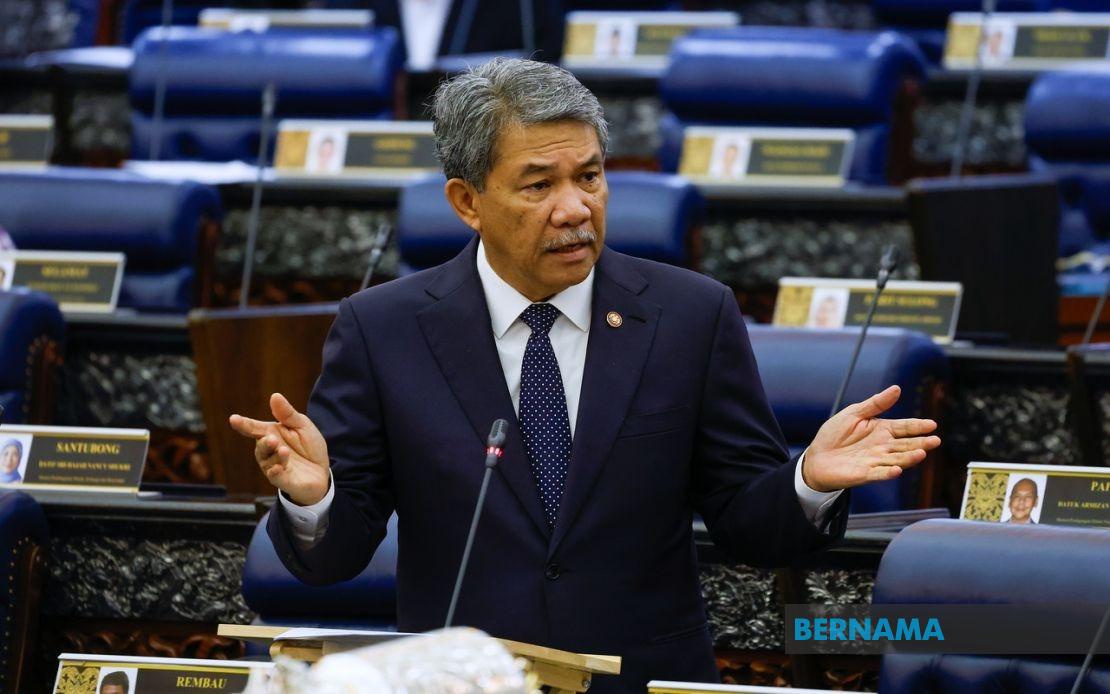
Foreign Minister Datuk Seri Mohamad Hasan has moved swiftly to dispel concerns that Malaysia's delegation visit to Myanmar in May signals a softening of Kuala Lumpur's position on the country's military authorities. Speaking in Parliament on June 25, Mohamad stressed that the visit represented a continuation of ASEAN's carefully calibrated diplomatic approach rather than any endorsement of the junta's governance or legitimacy.
The clarification comes as Malaysia attempts to navigate the delicate politics of engaging with Myanmar while maintaining its principled stance against the military takeover. Mohamad emphasized that Malaysia remains unswervingly committed to refusing recognition of Myanmar's junta government. This position has formed a cornerstone of Malaysian foreign policy since the military's consolidation of power, with the country consistent in its messaging across regional forums and bilateral channels.
The visit itself emerged from a directive issued during the 48th ASEAN Summit, which explicitly tasked foreign ministers with continuing informal engagement with Myanmar. This framework provides diplomatic cover for Malaysia and other ASEAN members seeking to keep lines of communication open while avoiding the appearance of capitulation. Mohamad's meeting with Myanmar Foreign Minister Tin Maung Swe took place at a hotel rather than the Foreign Ministry—a deliberate choice in venue that underscores the distinction between casual dialogue and official recognition. The setting itself became a statement about the nature and limits of engagement.
During their discussion, Mohamad conveyed the collective concerns of Malaysia and the broader ASEAN bloc, using the opportunity to transmit messages about the changes regional neighbours wish to see in Myanmar's trajectory. The conversation touched on fundamental principles governing the bilateral relationship and Myanmar's standing within the regional organization. Mohamad did not shy away from reminding Myanmar's representative that membership in ASEAN carries both rights and responsibilities, a nuanced reminder that privileges come with commensurate obligations to the regional community.
The balance Malaysia seeks to strike reflects a wider ASEAN dilemma: how to uphold principles of non-interference and peer pressure simultaneously. ASEAN's Five-Point Consensus, which outlines the bloc's framework for addressing Myanmar's political crisis, remains the touchstone for Malaysia's approach. That document calls for cessation of violence, establishment of a ceasefire, inclusive dialogue, humanitarian assistance, and ASEAN mediation—objectives that require ongoing contact with Myanmar's authorities to have any prospect of success.
Mohamad articulated a strategic rationale for maintaining engagement despite Myanmar's political intransigence. Isolating Myanmar entirely risks creating a power vacuum that could be exploited by external actors with interests potentially detrimental to ASEAN's collective security and cohesion. This concern reflects real geopolitical considerations in a region where great powers routinely vie for influence. By keeping channels open, Malaysia and ASEAN hope to retain some leverage and ensure that Myanmar's trajectory remains subject to regional input rather than determined solely by internal dynamics or external pressure.
Planned follow-up meetings with Myanmar stakeholders in early or mid-July indicate that Malaysia intends to deepen this engagement rather than let it atrophy. These discussions will likely probe whether any movement toward the Five-Point Consensus objectives is feasible, while affording Malaysia another platform to reiterate its demands for violence cessation, ceasefire implementation, inclusive political dialogue, and unimpeded humanitarian access. The sequential nature of these meetings suggests a methodical diplomatic approach aimed at sustained pressure through repeated engagement.
For Malaysian policymakers, the Myanmar question exemplifies the broader challenge of balancing regional solidarity with principled foreign policy. Malaysia cannot simply ostracize Myanmar without fracturing ASEAN unity, yet it must also demonstrate to domestic constituencies and international partners that it has not compromised its values. The careful rhetorical distinction between engagement and recognition serves this dual purpose, allowing Malaysia to occupy the middle ground between isolation and capitulation.
The implications for Southeast Asia extend beyond bilateral relations. ASEAN's collective response to Myanmar will significantly influence how the bloc handles future internal crises and whether it can maintain relevance as a geopolitical actor. Myanmar's military authorities appear unmoved by ASEAN pressure thus far, yet the regional organization continues investing diplomatic capital in dialogue. This investment reflects both the depth of ASEAN's commitment to consensus-building and the limitations of its enforcement mechanisms when member states resist external pressure.
Mohamad's parliamentary explanation also serves a domestic political function, reassuring Malaysian legislators and civil society that the government has not compromised on Myanmar principles. The public nature of his remarks, delivered in the Dewan Rakyat, ensures that Malaysia's position is clearly communicated both regionally and internationally. This transparency supports Malaysia's credibility as a principled actor while maintaining space for the quiet diplomacy that diplomatic progress often requires.
Looking forward, Malaysia faces continued pressure to demonstrate tangible progress on Myanmar while avoiding the appearance of enabling the junta. The visits and meetings Mohamad outlined represent investments in a slow-moving diplomatic process. Whether this approach ultimately yields results depends partly on factors beyond Malaysia's control—not least Myanmar's internal political dynamics and the regime's willingness to engage constructively with ASEAN initiatives designed to chart a path toward genuine political transformation.

