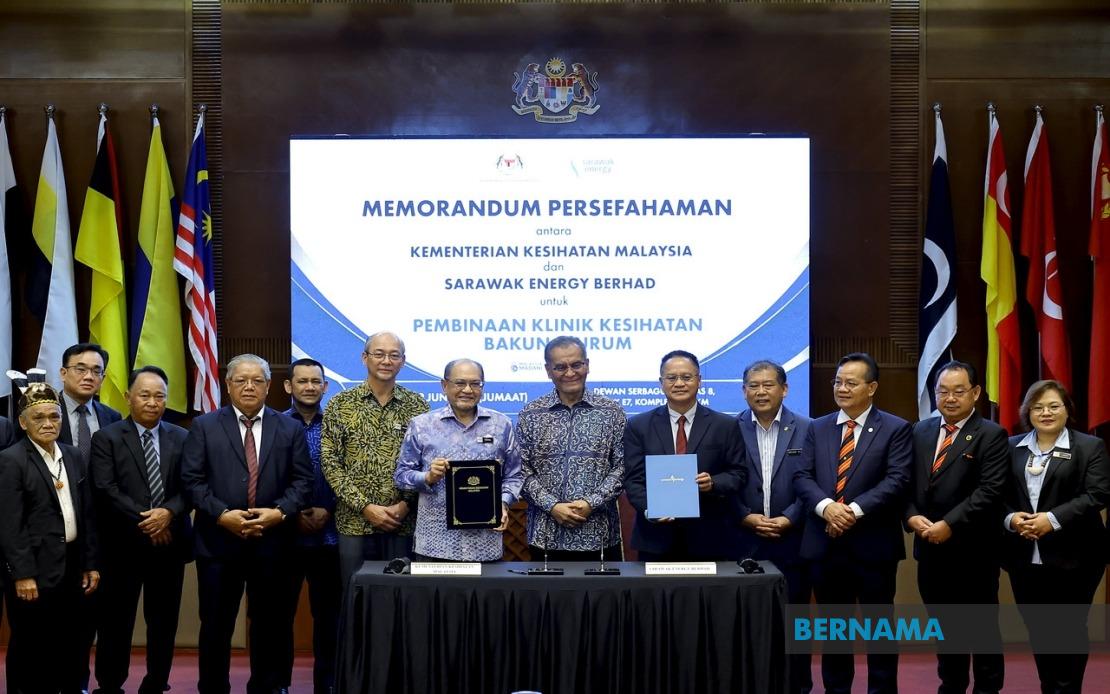
Malaysia's healthcare system faces mounting pressure to expand its specialist workforce, with the Health Ministry in the concluding phases of resolving administrative barriers that have slowed the development of medical professionals in critical fields. Health Minister Datuk Seri Dr Dzulkefly Ahmad confirmed that the ministry has identified numerous organisational impediments requiring urgent action to accelerate the production of specialists nationwide, signalling that substantive changes are imminent following months of internal assessment.
The healthcare sector's struggle with specialist shortages reflects a broader structural challenge affecting the nation's medical capacity. A deficit of approximately 11,000 specialists has been documented across both government and private institutions, constraining the public healthcare system's ability to respond to escalating patient demand and limiting treatment options across tertiary care facilities. This gap threatens service delivery in specialised fields and has prompted policymakers to prioritise workforce expansion as a critical health infrastructure objective.
Dzulkefly's acknowledgement of bureaucratic friction represents a candid assessment of institutional barriers that have delayed progress. Rather than dismissing concerns, the Health Minister framed these obstacles as identifiable and resolvable, reflecting a commitment to transparent problem-solving within Malaysia's healthcare administration. His statement at a media gathering in Putrajaya, held following the formalisation of a memorandum of understanding between the Health Ministry and Sarawak Energy for construction of the Bakun-Murum Health Clinic, underscored the government's broader infrastructure investment strategy alongside workforce development.
The ministry's phased expansion strategy represents a deliberate approach to scaling specialist numbers in alignment with physical capacity improvements. Rather than rapidly increasing specialist positions without corresponding infrastructure, the Health Ministry has adopted a synchronised methodology that ties workforce growth to the availability of modern facilities, diagnostic equipment, and support systems. This measured approach recognises that merely training additional specialists without adequately resourced institutions would create operational strain and potentially compromise care quality across the healthcare network.
Planning frameworks now guiding specialist recruitment reflect an integrated vision of healthcare development encompassing both human and physical capital. Current needs assessments and priority-setting mechanisms inform recruitment targets, ensuring that specialist positions address identified gaps in critical medical fields and geographic regions experiencing particular shortages. This systematic alignment aims to prevent misallocation of training resources and ensure newly qualified specialists can transition into operational roles within functional healthcare ecosystems.
The cluster crisis management system adopted as an interim response represents pragmatic resource optimisation while structural reforms advance. This operational framework encourages collaborative problem-solving among hospitals within geographic clusters and associated primary care facilities, enabling flexible redeployment of medical personnel based on fluctuating departmental requirements and patient volumes. Through coordinated reorganisation, the health service can distribute specialist expertise more efficiently and respond dynamically to emerging bottlenecks without requiring immediate large-scale recruitment.
Redeployment mechanisms embedded within the cluster approach offer significant tactical advantages for managing current constraints. By redistributing existing personnel across clustered institutions according to operational demand, the Health Ministry can partially offset specialist shortages while longer-term training initiatives progress toward fruition. This flexibility proves particularly valuable in addressing surge capacity needs and ensuring that patients in less-populated regions maintain reasonable access to specialist consultation, though such arrangements demand careful management to avoid creating new inequities or overwhelming individual facilities.
The Health Ministry's emphasis on service continuity reflects awareness that administrative restructuring cannot disrupt patient care during implementation. Workforce pressures remain considerable, with existing medical professionals frequently operating at capacity limits; the ministry's acknowledgement of these demands signals recognition that solutions must be balanced against staff wellbeing and burnout prevention. Sustaining uninterrupted healthcare delivery whilst simultaneously implementing institutional reforms requires sophisticated change management and genuine support for frontline medical personnel.
For Malaysian patients and healthcare stakeholders, these developments suggest tangible movement toward resolving constraints that have limited specialist access and extended waiting periods. The government's commitment to addressing bureaucratic impediments, coupled with infrastructure investment visible through projects such as the Bakun-Murum Health Clinic, indicates a comprehensive vision for healthcare modernisation. Successful resolution of specialist training bottlenecks could substantially improve service quality and geographic equity across the public healthcare system within the coming years.
The broader implications of Malaysia's specialist shortage extend beyond immediate service delivery concerns, affecting the nation's capacity to manage chronic disease burdens, conduct advanced surgical procedures, and deliver specialised paediatric and maternal care. As Southeast Asia's healthcare systems increasingly compete for specialist talent amid regional brain drain pressures, resolving administrative constraints and providing career development pathways becomes strategically important for workforce retention. Malaysia's proactive approach to identifying and rectifying these barriers positions the health sector to address long-term capacity challenges whilst maintaining its competitiveness as a destination for medical professionals seeking career advancement and institutional support.

