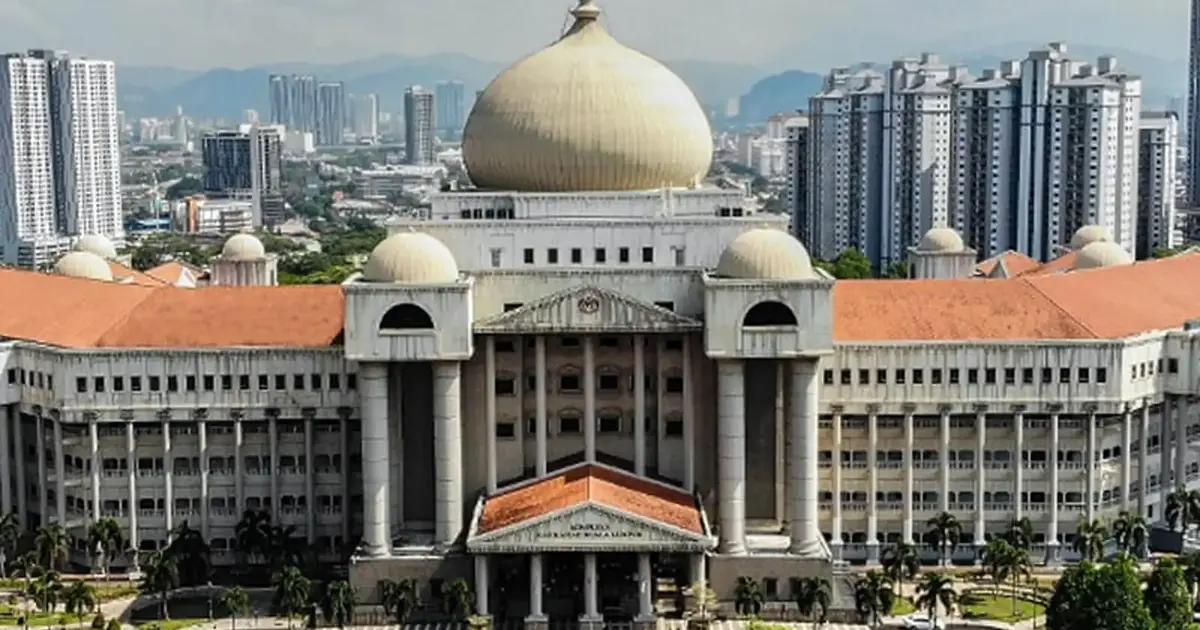
Malaysia's High Court has determined that the Prime Minister cannot be compelled to testify in a RM30 million civil suit, rejecting arguments that his evidence was essential to the case. The court found that the Prime Minister does not hold the status of a material witness, thereby invalidating the subpoena issued against him. This ruling carries significant implications for ongoing litigation involving senior government figures and raises important questions about the scope of judicial authority when summoning political leaders to give evidence in courts.
The decision reflects a carefully calibrated judicial approach to balancing the principles of access to justice with the constitutional and practical demands of executive governance. Courts frequently face the challenge of determining whether high-ranking officials possess knowledge directly relevant to the matters in dispute, or whether their involvement is peripheral to the core factual questions requiring resolution. In this instance, the High Court concluded that the Prime Minister's testimony would not materially advance the plaintiff's case or address the substantive issues before the bench.
The concept of a material witness is fundamental to civil procedure in Malaysia. A material witness is one whose evidence directly bears on a fact in issue that the court must resolve to reach judgment. The absence of such a connection means that while a person may have tangential knowledge of events, their compulsory attendance in court cannot be justified on the basis of necessity or relevance. The court's ruling suggests that other witnesses or documentary evidence were available to establish the necessary facts without requiring the Prime Minister's personal attendance.
This case touches upon longstanding tensions in democratic legal systems regarding the immunity and obligations of heads of government. While no formal immunity exists in Malaysian law that automatically shields a Prime Minister from court proceedings, courts have developed jurisprudence recognizing that certain state functions require protection from constant judicial disruption. The reasoning in this judgment likely reflects those considerations, framing the decision not as special privilege for the Prime Minister, but as a straightforward application of procedural law regarding witness requirements.
For Malaysian legal practitioners and civil litigants, the decision provides useful guidance on the practical limits of subpoena power. Even in cases involving high-profile figures or government institutions, courts will scrutinize whether calling particular witnesses is truly justified by the evidence required. This approach encourages more focused litigation strategies and discourages attempts to leverage judicial processes primarily for publicity or political purposes rather than genuine fact-finding. The ruling reinforces that courts remain gatekeepers determining which evidence is admissible and which witnesses truly need to be called.
The RM30 million sum at stake indicates this is not a minor commercial dispute but a significant matter affecting substantial financial interests. Yet even the magnitude of the claim did not persuade the court that the Prime Minister's testimony was necessary. This suggests the court examined the actual issues in dispute—likely financial, contractual, or administrative matters—and found that specialist knowledge or direct participation was not required from the highest elected official. The decision reflects judicial confidence that evidence from more directly involved parties would suffice.
From a Southeast Asian perspective, Malaysia's approach aligns with how other democracies in the region manage similar questions. Courts in Singapore, Thailand, and Indonesia have all developed comparable jurisprudence limiting compulsory attendance by senior government officials while maintaining that such officials are not absolutely immune from legal process. The High Court's ruling demonstrates that Malaysian courts are following established regional and international precedent in maintaining the integrity of the judicial process while respecting the operational needs of government.
The political implications of this ruling warrant consideration. In an era when litigation is sometimes weaponized for political advantage, courts that carefully screen witness requirements serve as important stabilizing institutions. A blanket rule either exempting all government officials or compelling all of them to testify regardless of relevance would create problems for both the judiciary and the executive. The High Court's nuanced approach preserves both judicial independence and governmental function by distinguishing genuine cases where testimony is needed from those where it is sought primarily for other reasons.
This judgment will likely influence future practice in Malaysian litigation involving government ministers and officials at all levels. Parties seeking to subpoena senior public figures will now face heightened judicial scrutiny regarding materiality. They will need to demonstrate with specificity how the targeted official's testimony directly relates to disputed facts that cannot be established through alternative evidence. The ruling effectively discourages fishing expeditions or attempts to obtain discovery through the backdoor of subpoena power.
The decision also reflects evolving judicial thinking about the distinction between a witness's general knowledge or involvement in an area and the specific relevance of their testimony to the precise issues a court must decide. Courts increasingly recognize that senior leaders, by virtue of their positions, may know many things without that knowledge being essential to civil litigation. This principle protects institutional function while maintaining that no one is completely above the law. The Prime Minister remains subject to judicial authority; he simply cannot be forced to testify in matters where his evidence is immaterial.
For international observers monitoring Malaysia's judicial independence, this ruling demonstrates courts willing to apply procedural law evenhandedly regardless of the political stature of those involved. The decision was reached on technical legal grounds—the materiality of witness testimony—rather than through invocation of special privileges. This approach strengthens public confidence that the judiciary applies consistent standards across different cases and litigants. Where courts defer to the testimony of senior officials, it appears principled rather than deferential to power.
Moving forward, this judgment establishes a framework that future courts can apply to similar disputes. The precedent suggests Malaysian courts will continue examining whether specific witnesses possess evidence truly material to case resolution, refusing to permit subpoenas primarily aimed at compelling attention or generating political pressure. This measured approach serves both the rule of law and effective governance, ensuring that litigation addresses genuine disputes through available evidence while protecting public administration from chronic judicial disruption.

