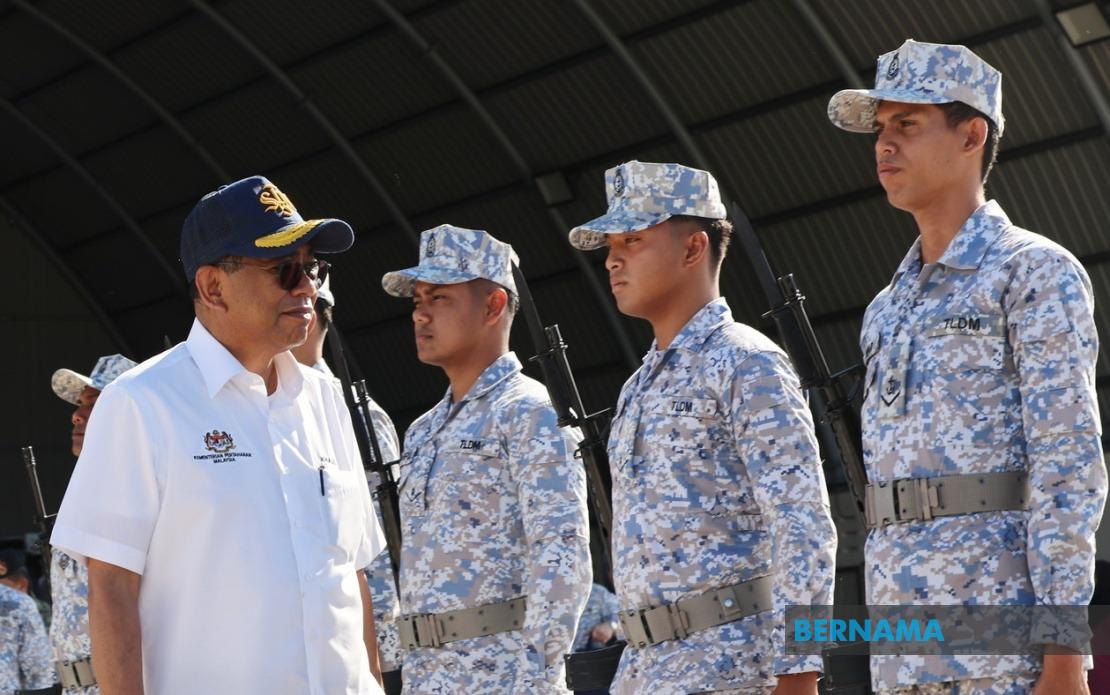
Malaysia is moving forward with a comprehensive modernisation programme at Layang-Layang Island, a strategically vital outpost in the contested waters of the South China Sea. Defence Minister Datuk Seri Mohamed Khaled Nordin announced that the government will proceed with installing an air defence radar system as part of broader efforts to strengthen operational capabilities at the Royal Malaysian Navy's LIMA Station, with the facility expected to become fully functional by 2029.
Located approximately 270 kilometres from Labuan and 280 kilometres from Sabah, Layang-Layang Island occupies a position of considerable geopolitical significance for Malaysia. The 35-hectare station serves as a forward operating base and has been the cornerstone of Malaysia's naval presence in the region since its establishment on 17 April 1984. This installation represents one of the country's most important strategic assets in an area where territorial claims overlap significantly, with China, Vietnam and the Philippines all asserting competing interests in Gugusan Semarang Peninjau and surrounding maritime zones.
The defence upgrades announced during a ministerial working visit reflect Kuala Lumpur's determination to maintain a continuous and visible presence in waters that remain integral to national security and sovereignty. Mohamed Khaled emphasised that the strengthening of infrastructure demonstrates the government's unwavering commitment to safeguarding Malaysian territory without provoking unnecessary confrontation or escalating regional tensions. The measured approach balances assertiveness with responsibility, signalling that Malaysia will neither abandon its territorial rights nor engage in provocative military posturing.
Currently, Layang-Layang Island relies on maritime radar systems to monitor vessel traffic throughout the surrounding waters. The planned addition of dedicated air defence radar will substantially expand Malaysia's surveillance and early-warning capabilities in a critical region where air operations have become an increasingly important dimension of maritime security. The dual-radar configuration will enable authorities to maintain comprehensive monitoring of both surface and aerial activity, creating a more robust defensive posture across multiple operational domains.
Site preparation activities are already underway to accommodate the radar installation. Engineers and defence planners have begun assessments to determine optimal positioning and infrastructure requirements, with the timeline extending to 2029 to allow for thorough planning, procurement and deployment phases. This extended schedule provides the Ministry of Defence and its contractors with sufficient time to ensure the system integrates effectively with existing facilities and communications networks on the island.
Beyond the radar project, the government has committed to comprehensive improvements addressing both operational requirements and personnel welfare. Water and electricity supply systems will be enhanced, food provisions expanded and accommodation standards upgraded to ensure that service members stationed on the island can fulfil their duties effectively while maintaining acceptable living conditions. Such infrastructure improvements are essential for sustaining long-term operational presence, as adequate facilities directly impact morale, health and the ability to maintain continuous readiness.
The LIMA Station extends its strategic value far beyond direct military applications. It supports intelligence-gathering operations and provides crucial logistical support to Royal Malaysian Navy vessels and other government agencies, including the Malaysian Maritime Enforcement Agency. This multi-agency dimension underscores the island's role as a hub for coordinated maritime domain awareness and enforcement activities across a vast maritime zone where law enforcement, surveillance and territorial protection functions must operate in concert.
Malaysia is also exploring the integration of advanced unmanned systems and cutting-edge technologies to enhance maritime domain awareness throughout the region. These innovations will complement traditional radar installations, providing greater flexibility and responsiveness in detecting suspicious or unauthorised activities within Malaysian waters. The employment of remotely operated and autonomous platforms reduces personnel risk while extending operational reach and persistence, representing a modern approach to maritime security challenges.
Beyond security considerations, Mohamed Khaled highlighted the significant scientific and environmental potential of Layang-Layang Island. The waters surrounding the outpost present exceptional opportunities for research into marine ecosystems, biodiversity conservation and coral reef sustainability. Leveraging these research possibilities through coordinated efforts involving government agencies, universities and research institutions could position Malaysia as a regional leader in marine environmental stewardship whilst simultaneously strengthening the case for territorial stewardship based on scientific interest and conservation commitments.
The strategic development of Layang-Layang Island reflects broader Malaysian interests in maritime economics and fisheries management. As a nation with extensive exclusive economic zones and continental shelf claims, Malaysia benefits from technological systems that enhance monitoring capabilities across vast ocean areas. Improved surveillance infrastructure supports not only sovereignty protection but also sustainable fisheries management, marine resource governance and environmental monitoring that carries economic benefits for coastal communities and the broader maritime sector.
Regional observers will closely monitor how Malaysia's infrastructure strengthening at Layang-Layang develops, particularly given the sensitivity of South China Sea disputes. The measured pace of development, the emphasis on defensive rather than offensive capabilities, and the coupling of security investments with scientific research suggests a strategy designed to reinforce legitimate sovereign rights whilst avoiding actions that might trigger escalatory responses from neighbouring claimants.
For Southeast Asia more broadly, Malaysia's approach at Layang-Layang offers a model of balancing territorial assertion with measured restraint. As regional powers seek to strengthen their positions in contested maritime zones, the mechanisms chosen—enhanced surveillance, improved logistics, scientific engagement—matter considerably for overall stability. Malaysia's commitment to defending what it regards as its territory, paired with its explicit rejection of provocative measures, reflects a recognition that sustainable regional order depends upon all parties respecting established rules and dispute resolution frameworks.