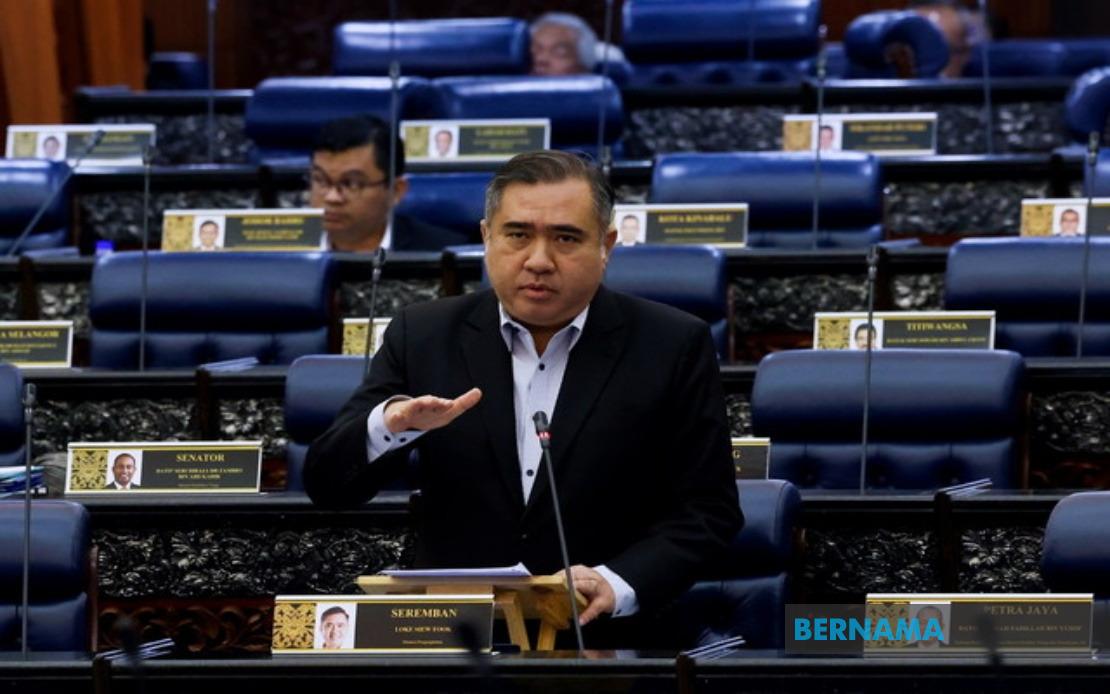
The Malaysian Transport Ministry has unveiled a significant shift in how the country handles road accidents, introducing a proposed compensation mechanism that would require courts to order offenders convicted under serious traffic offences to pay damages to victims or their lawful next of kin. Transport Minister Anthony Loke revealed the proposal to Parliament on July 14, signalling the government's determination to move beyond treating dangerous drivers as ordinary traffic offenders and instead imposing penalties proportionate to the gravity of their actions.
Under the proposed amendments to the Road Transport Act 1987, judicial authorities would gain explicit power to assess compensation claims on a case-by-case basis, taking into account the severity of injuries sustained, the extent of losses incurred, and the convicted offender's financial capacity to pay. This approach represents a departure from Malaysia's traditional traffic enforcement framework, which has historically focused on fines and imprisonment rather than victim restitution. The compensation mechanism signals recognition that families of road accident victims often bear substantial financial and emotional burdens that current legal remedies inadequately address.
The government's proposal comes amid growing public concern over dangerous driving practices, particularly illegal street racing, which has claimed multiple lives in recent incidents. The most prominent case cited by Loke involved a fatal collision on June 1 along Jalan Renggam in Johor that resulted in five deaths. In response to that tragedy, the Attorney-General's Chambers directed investigators to pursue charges under Section 302 of the Penal Code, treating the incident as potential culpable homicide rather than a standard traffic violation.
To complement the compensation framework, the government has already passed the Road Transport (Amendment) Bill 2026, which introduces specific legislation targeting illegal racing activities. The new Section 42A creates a distinct offence for illegal racing, establishing graduated penalties designed to deter participation. First-time offenders face fines ranging from RM2,000 to RM10,000 alongside potential imprisonment for up to two years, while repeat offenders confront significantly harsher consequences of RM5,000 to RM20,000 in fines and imprisonment extending to five years.
A crucial innovation within the amended legislation is its preventative scope. Previously, authorities could only initiate prosecutions after accidents had occurred, leaving no legal avenue to address dangerous street racing before tragedy struck. The revised framework now permits law enforcement to charge and convict individuals engaged in illegal racing activities regardless of whether an actual accident has taken place. This shift reflects international best practices in traffic safety, where early intervention can prevent loss of life rather than merely addressing its aftermath through the criminal justice system.
Enforcement operations have already intensified nationwide in preparation for the amended laws. Johor witnessed a recent operation that resulted in 16 arrests and the seizure of 260 motorcycles involved in illegal racing activities. These enforcement sweeps demonstrate the ministry's commitment to implementing the legislative changes with immediate practical effect, sending a clear signal to the driving public that dangerous behaviour will face serious consequences. The scale of these operations suggests a coordinated national approach rather than scattered local initiatives.
The annual toll of road accidents remains alarmingly high, with more than 6,000 deaths recorded yearly in Malaysia. This persistent casualty rate underscores why the government views the compensation and enforcement mechanisms as integral components of a broader public safety agenda. Loke emphasised that legislative amendments alone cannot address the root causes of dangerous driving; society must undergo fundamental behavioural change regarding road conduct and respect for traffic regulations.
The minister's appeal for a cross-ministerial national strategy reflects understanding that road safety extends beyond the Transport Ministry's authority. Effective implementation requires coordination across multiple government agencies, engagement with local community leaders, and active participation from the public in reporting dangerous driving behaviour and promoting safer road culture. This whole-of-society approach acknowledges that enforcement tools, while necessary, cannot independently solve problems rooted in cultural attitudes toward reckless driving.
Loke explicitly cautioned against politicising road safety issues, emphasising that this agenda transcends partisan boundaries and demands genuine commitment from all political actors. His statement reflects concern that opportunistic parties might exploit road safety concerns for electoral advantage rather than pursuing substantive improvements. The appeal for depoliticisation suggests some tension within Malaysia's political environment regarding traffic safety policy, with the minister seeking consensus on evidence-based measures rather than allowing safety issues to become entangled with factional disputes.
The introduction of victim compensation mechanisms represents a philosophical shift in Malaysian traffic law, moving from a purely punitive model toward one incorporating restorative justice principles. This evolution aligns with international trends in victim advocacy and criminal justice reform, acknowledging that financial restitution cannot reverse tragedy but can provide meaningful support to grieving families facing unexpected economic hardship. Courts will possess discretion to calibrate awards based on individual circumstances, preventing standardised outcomes while maintaining judicial fairness.
Implementation of these measures will face practical challenges requiring careful design of evidentiary procedures, assessment methodologies for determining appropriate compensation amounts, and mechanisms ensuring offenders actually fulfil financial obligations. Malaysian courts will require guidance through regulations and case law establishing benchmarks for various injury categories and damage types. The Judiciary may need additional resources and training to administer these new responsibilities effectively, particularly in complex cases involving multiple fatalities or severely disabled survivors requiring lifelong care.
The legislative agenda reflects broader government recognition that Malaysia's road safety record requires urgent, multifaceted intervention. While enforcement and compensation mechanisms address consequences and accountability, the complementary emphasis on public awareness and behavioural change acknowledges that sustainable improvements ultimately depend on drivers internalising safer practices. Success will require sustained investment in education campaigns, continued technological innovations in vehicle safety, and consistent political support for unpopular enforcement measures that may temporarily inconvenience drivers but ultimately protect lives.

