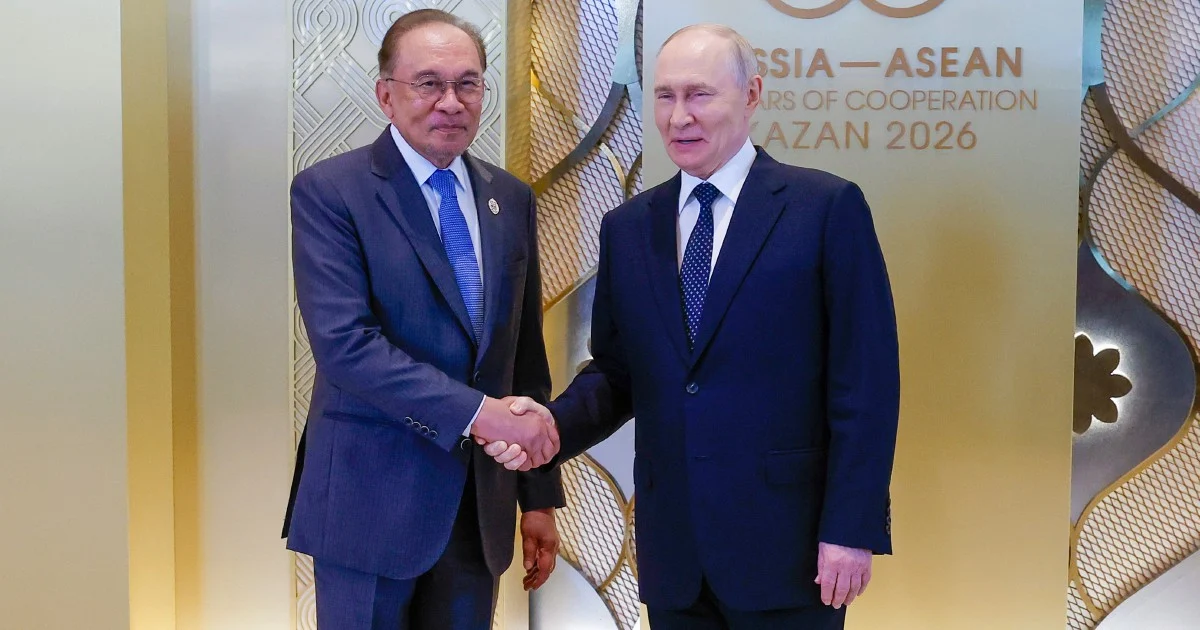
Prime Minister Datuk Seri Anwar Ibrahim's recent diplomatic missions to Russia and Turkmenistan signal Malaysia's deliberate pivot toward diversifying energy sources and reducing dependency on traditional suppliers, a strategic imperative for a nation seeking to secure its long-term economic prosperity amid shifting geopolitical currents and energy market volatility.
The visits represent a calculated move by Malaysia's leadership to engage with energy-rich nations beyond conventional partnerships, recognising that the regional energy landscape continues to undergo profound transformation. Turkmenistan's substantial natural gas reserves and Russia's position as a major global energy producer make both countries valuable partners for Malaysia's future resource needs. By establishing formal high-level engagement with these nations, Malaysia positions itself to tap into alternative supply chains that could buffer against disruptions and price fluctuations affecting its industrial base and households.
Energy security has become increasingly central to Malaysia's development strategy, particularly as the country navigates the dual challenge of supporting rapid industrialisation while managing the transition toward more sustainable energy practices. The cooperation frameworks discussed during these visits are expected to encompass conventional hydrocarbon partnerships as well as potential collaboration in renewable energy technologies and infrastructure development. Such comprehensive engagement reflects a nuanced understanding that energy cooperation extends beyond simple commodity transactions to encompass technical expertise sharing and investment flows.
For a Southeast Asian economy like Malaysia, maintaining diverse energy partnerships serves multiple policy objectives simultaneously. It reduces vulnerability to supply shocks originating from any single source, strengthens the nation's negotiating position in regional and global energy markets, and creates opportunities for Malaysian companies to participate in upstream and downstream petroleum operations across different geographic regions. The strategic dimension extends further, as energy relationships often translate into broader diplomatic influence and economic integration.
Russia's experience in operating vast oil and gas fields under challenging geological and environmental conditions holds particular relevance for Malaysia's continued hydrocarbon exploration and production. The technological know-how accumulated by Russian energy companies could prove invaluable for Malaysian operators seeking to enhance extraction efficiency from aging fields and develop new frontier exploration areas. Similarly, Turkmenistan's expertise in natural gas processing and liquefaction technology aligns with Malaysia's interest in optimising its own petroleum infrastructure and value-added production capabilities.
The timing of these visits underscores Malaysia's determination to pursue strategic autonomy in its foreign economic policy, particularly in sectors deemed critical to national interests. Rather than limiting energy partnerships to established Western suppliers or immediate regional neighbours, Malaysia demonstrates willingness to engage constructively with diverse partners based on mutual economic benefit and strategic compatibility. This approach reflects broader trends across Southeast Asia, where countries increasingly pursue balanced, pragmatic foreign policies that avoid excessive reliance on any single strategic partner.
Beyond immediate energy procurement, the visits carry implications for Malaysia's participation in regional and global economic forums. Enhanced ties with Russia and Turkmenistan could translate into increased cooperation within various multilateral organisations, trade frameworks, and investment initiatives. These relationships potentially create pathways for Malaysian capital and enterprises to access markets and opportunities in Central Asia and Eastern Europe, thereby expanding the geographic scope of Malaysian economic engagement.
The energy agreements emerging from these diplomatic engagements are likely to influence Malaysia's broader economic trajectory over the next decade. Secure, diversified energy supplies underpin competitiveness across manufacturing, petrochemicals, power generation, and other energy-intensive sectors vital to Malaysia's export economy. By locking in long-term energy partnerships now, Malaysia enhances predictability and stability for investors and businesses planning long-term operations within the country.
For Malaysian consumers and businesses, the strategic importance of these energy partnerships translates into potential benefits regarding price stability and supply reliability. Energy costs significantly impact inflation, transportation expenses, and production costs across the economy. By securing alternative sources and building relationships with major suppliers, the Malaysian government potentially mitigates risks of supply-driven price spikes that could undermine economic growth and consumer purchasing power.
The diplomatic missions also reflect Malaysia's calibrated approach to navigating international relations, where engagement with diverse nations serves national economic interests without compromising existing partnerships or regional relationships. This balanced positioning allows Malaysia to maintain productive relationships across multiple geopolitical blocs while prioritising concrete economic benefits for its citizens and businesses.
Looking forward, the specific implementation details of agreements reached during these visits will prove crucial in determining actual impacts on Malaysia's energy security trajectory. Contractual terms, pricing mechanisms, infrastructure investments, and technology transfer provisions embedded within broader partnerships will determine whether diplomatic goodwill translates into tangible economic gains. Malaysian policymakers and energy sector stakeholders will need to carefully manage these new relationships to maximise benefits while ensuring compliance with international standards and domestic regulatory frameworks.
The broader message conveyed through these high-level visits resonates across Southeast Asia, signalling that regional nations continue pursuing sophisticated, diversified international engagement strategies that prioritise economic resilience and strategic autonomy. Malaysia's approach to energy diplomacy demonstrates how smaller nations can effectively navigate complex global energy markets through sustained diplomatic engagement and strategic partnerships calibrated to national development objectives.

