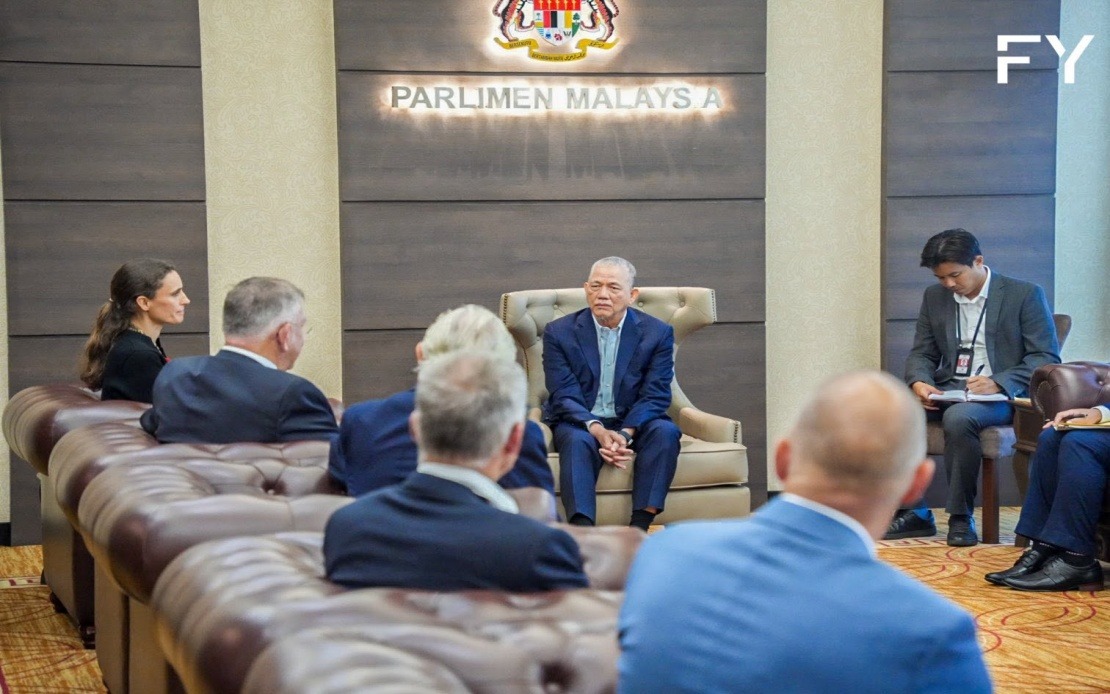
Malaysia is moving to attract increased investment flows from Germany's small and medium-sized enterprises, with particular emphasis on sustainable technology and environmental sectors. Deputy Prime Minister Datuk Seri Fadillah Yusof expressed the country's openness to deeper economic collaboration during a meeting with German Ambassador to Malaysia Silke Riecken-Daerr and representatives from the German SME Business Association at Parliament House. The engagement signals Kuala Lumpur's strategic pivot toward attracting capital and expertise in green technology, renewable energy solutions and water management and treatment systems—all sectors critical to Malaysia's evolving sustainability agenda.
The timing of this diplomatic outreach reflects Malaysia's broader commitment to achieving its climate and environmental objectives while building manufacturing competencies in emerging green industries. German SMEs, renowned for their engineering precision and innovative solutions in these domains, represent a natural partner for Malaysia's development aspirations. Fadillah underscored that such investments align squarely with the nation's sustainable development priorities, framing economic collaboration as a vehicle for achieving environmental stewardship without compromising growth.
Germany already maintains a substantial economic footprint in Malaysia, with over 800 German companies currently engaged across diverse sectors. This existing presence demonstrates the depth of bilateral commercial ties, particularly in mechanical engineering and advanced manufacturing technology where German firms have established strong market positions. The relationship has evolved into one of Malaysia's most significant trading partnerships, underpinned by complementary industrial capabilities and shared commitments to quality and innovation. However, officials see considerable untapped potential, particularly in emerging green sectors where German technical expertise could catalyse Malaysia's transition toward a more sustainable economic model.
Beyond direct investment in green technologies, the discussions revealed keen interest in leveraging Germany's renowned vocational and technical education systems. Germany's TVET framework has consistently produced a highly skilled workforce through apprenticeship models and hands-on training that directly connects education with industry needs. Malaysia, grappling with skills gaps in manufacturing and emerging sectors, views German expertise as crucial for developing its own human capital. Fadillah highlighted that adopting German approaches to technical education could meaningfully enhance Malaysian workforce competitiveness as the nation navigates coming economic challenges and the demands of digital transformation.
The cooperation framework being discussed carries implications extending beyond bilateral relations. Southeast Asia faces mounting pressure to balance economic growth with environmental sustainability, and successful models of green technology transfer from developed economies could influence regional development patterns. Malaysian success in attracting German SME investment in renewable energy and water treatment could establish templates for other regional economies seeking similar partnerships, potentially creating a cluster effect that strengthens Southeast Asia's position in global green technology supply chains.
Water management presents particularly strategic value in the Malaysian context, where demographic growth and climate variability create increasing pressure on freshwater resources. German engineering firms specialising in water treatment, recycling and efficient distribution systems could address critical infrastructure needs while creating commercial opportunities. Renewable energy collaboration similarly aligns with Malaysia's stated targets for expanding solar, wind and other clean energy capacity. German SMEs bring proven technologies and operational expertise that could accelerate deployment timelines and improve project viability.
The pathway forward involves structured engagement between Malaysian government agencies, educational institutions and German business representatives to identify specific investment opportunities and develop frameworks that reduce barriers to entry. This requires clarity on incentives, regulatory pathways and long-term policy stability that German investors will demand before committing capital to unfamiliar markets. Malaysia's track record in welcoming foreign direct investment and its relatively sophisticated infrastructure position it favourably in competing for German SME capital against other Southeast Asian destinations.
Fadillah's confidence in strengthening bilateral relations reflects a pragmatic assessment of mutual benefits. For Germany, Malaysia represents a stable Southeast Asian gateway with manufacturing capabilities, strategic positioning in global supply chains and growing consumer markets. For Malaysia, German partnerships offer access to world-class technologies, management practices and skills development systems. This mutually beneficial arrangement creates conditions for sustained engagement beyond single transactions or project cycles.
The initiative also reflects Malaysia's strategic hedging within global economic competition. As major powers contend for influence and market access, Malaysia cultivates diverse partnerships that reduce dependence on any single economic relationship while diversifying sources of investment and technology. German SMEs, pursuing strategies of geographic diversification themselves, find Malaysia an attractive market precisely because it offers opportunity without the geopolitical complications that characterise some other regional relationships.
Institutional mechanisms for deepening this partnership will likely involve business chambers, trade delegations and government-to-government coordination. The German Chamber of Commerce in Malaysia, already active in promoting bilateral business relationships, stands positioned to facilitate connections between Malaysian opportunities and German enterprises seeking expansion. Formalising TVET cooperation may require memoranda of understanding between educational authorities, potentially including curriculum exchange, teacher training and student mobility programmes.
The green technology focus carries particular weight given global investment trends and regulatory momentum toward decarbonisation. Investors worldwide increasingly recognise that climate-aligned businesses will dominate future markets, and Malaysia's early commitment to attracting German expertise in these sectors positions the country as a serious player in Asia's green economy transition. This could reshape Malaysia's industrial profile over coming decades, establishing clusters of excellence in renewable energy and environmental technology that generate higher-value employment and export opportunities.

