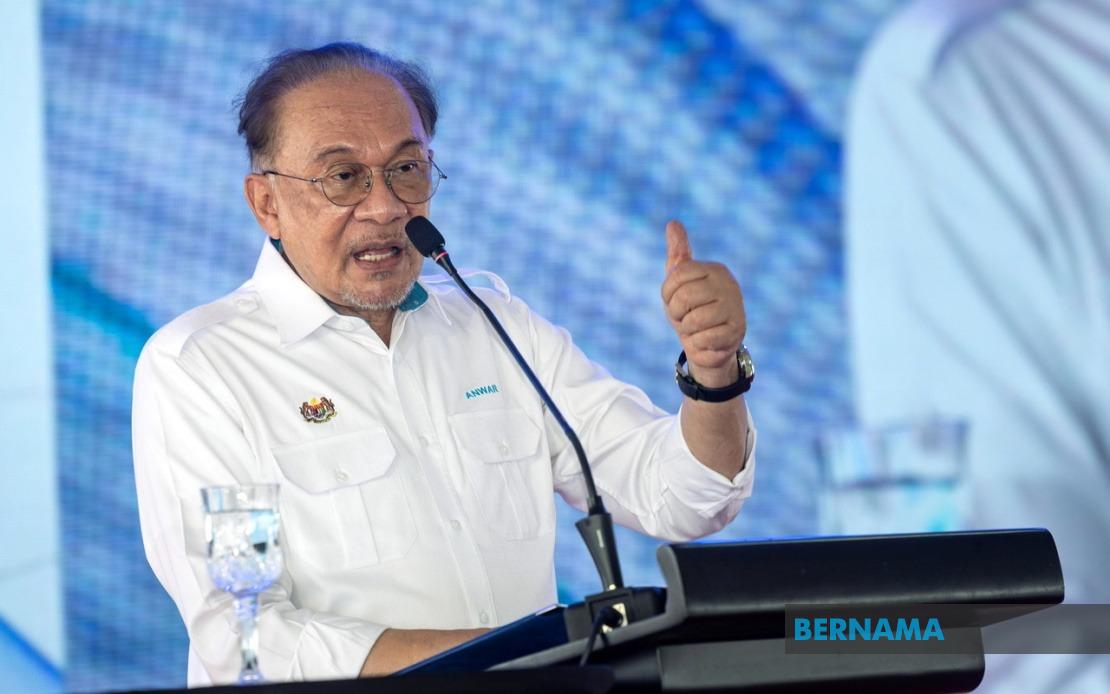
Prime Minister Datuk Seri Anwar Ibrahim has unveiled a pivotal shift in Malaysia's energy strategy, revealing that fresh bilateral arrangements with Russia and Turkmenistan will underpin the country's fuel security for the foreseeable future. Speaking at the Setia Fontaines Industrial Park groundbreaking ceremony in Kepala Batas, Anwar emphasised the transformative potential of these partnerships in insulating Malaysia from global energy volatility and supply disruptions.
During his recent official visit to Russia, Anwar secured commitments from President Vladimir Putin on a two-decade arrangement covering crude oil, natural gas, and diesel shipments. This assurance, communicated to the Malaysian leader during discussions held in Kazan, represents a substantial diplomatic achievement in diversifying Malaysia's energy sourcing landscape. The agreement underscores deepening state-to-state relations and reflects Moscow's strategic interest in maintaining stable trading partnerships across Southeast Asia amid international geopolitical shifts.
Turbulent global energy markets and the escalating tensions in major oil-producing regions have intensified pressure on resource-dependent economies to secure predictable supply chains. Malaysia's position as an energy exporter that simultaneously relies on imports for domestic consumption makes long-term purchasing agreements particularly valuable. The Russian arrangement provides a stable foundation that allows Malaysian policymakers to plan infrastructure investments and maintain price stability for consumers and industries alike.
Equally significant are the openings unlocked through Anwar's engagement with Turkmenistan, which holds some of the planet's most substantial untapped gas deposits. The Turkmen government has granted Malaysia expanded access to its hydrocarbon sector, a development that amplifies the strategic importance of the earlier Moscow negotiations. These incremental gains, Anwar stressed, represent the culmination of sustained diplomatic momentum that accelerated following Turkmen President Serdar Berdimuhamedov's state visit to Malaysia in December 2024.
Access to Turkmenistan's gas reserves carries profound implications for Malaysia's economic trajectory. The Central Asian nation possesses reserves among the world's largest, and channelling a portion of this output toward domestic consumption provides a hedge against supply shocks. More strategically, Malaysia can position itself as a logistics and trading hub, leveraging its geographic location and port infrastructure to re-export energy commodities to energy-hungry economies throughout East Asia, particularly China, Japan, and South Korea.
The timing of these announcements reflects broader repositioning within Malaysia's foreign policy architecture. Rather than relying primarily on traditional Middle Eastern suppliers or neighbouring regional producers, the country is consciously cultivating relationships with diverse geopolitical actors. This multi-vector approach reduces dependency on any single supplier or region and grants Malaysian negotiators greater leverage in securing favourable contract terms and pricing mechanisms.
These energy agreements simultaneously address Malaysia's immediate domestic requirements and unlock export revenue opportunities. The Turkmen corridor, in particular, could generate substantial forex earnings if Malaysia becomes a transhipment point for Central Asian energy destined for Asia-Pacific markets. The logistics and trading margins from such activity would create employment and strengthen the balance of payments, complementing benefits accruing from direct consumption of imported fuel.
Anwar articulated a broader philosophy underpinning these negotiations, arguing that modern statecraft demands that nations harness international relationships to defend core national interests. Energy independence—or at least diversified energy interdependence—touches directly on economic development, employment generation, and social stability. Shortages or price spikes in fuel costs cascade through supply chains, raising production costs for manufacturers and transport expenses for consumers. By locking in long-term supply agreements at predictable terms, Malaysia insulates itself from such shocks.
The industrial park groundbreaking provided an apt venue for announcing these energy accords, illustrating the connection between stable energy access and manufacturing competitiveness. Factories require reliable, affordable electricity and fuel; businesses making location decisions factor energy security prominently into site-selection analyses. By publicly pledging energy abundance for decades, Anwar sends a signal to foreign and domestic investors that Malaysia offers the infrastructural stability necessary for complex manufacturing and value-added production.
Implementing these agreements will demand significant capital expenditure in storage facilities, import terminals, and pipeline infrastructure. Malaysian authorities will need to coordinate with state petroleum enterprises and coordinate with regional neighbours to optimise transportation routes. The logistics dimension represents an often-overlooked complexity in energy geopolitics; securing supply means little without the physical capacity to receive, store, and distribute fuel efficiently.
Regionally, Malaysia's energy diversification strategy holds implications for ASEAN solidarity and intra-regional energy cooperation frameworks. While Southeast Asian nations compete for finite supplies, they also share common vulnerabilities to global energy price volatility. Malaysia's success in securing long-term deals with non-regional suppliers could provide a template for other ASEAN economies seeking similar stability. Conversely, it underscores varying capacities within the bloc to leverage diplomatic influence and negotiate favourable arrangements.
The agreements also carry geopolitical subtext regarding Malaysia's positioning vis-à-vis major powers. By cultivating substantive energy partnerships with both Russia and Central Asia, Malaysia demonstrates its commitment to maintaining balanced, pragmatic international relations rather than aligning rigidly with any single bloc. This approach aligns with Malaysia's longstanding foreign policy doctrine of strategic autonomy and non-aligned positioning, adapted to contemporary challenges in energy security and economic resilience.
Looking forward, the success of these partnerships will depend on consistent diplomatic engagement, transparent communication regarding contract terms, and sustained investment in bilateral relationships. Energy agreements invariably evolve as geopolitical circumstances shift; maintaining positive relations with both Russian and Turkmen counterparts ensures flexibility in renegotiating terms if circumstances demand. For Malaysian citizens and businesses, the promise is straightforward: decades of affordable, reliable energy access that underpin prosperity and growth.

