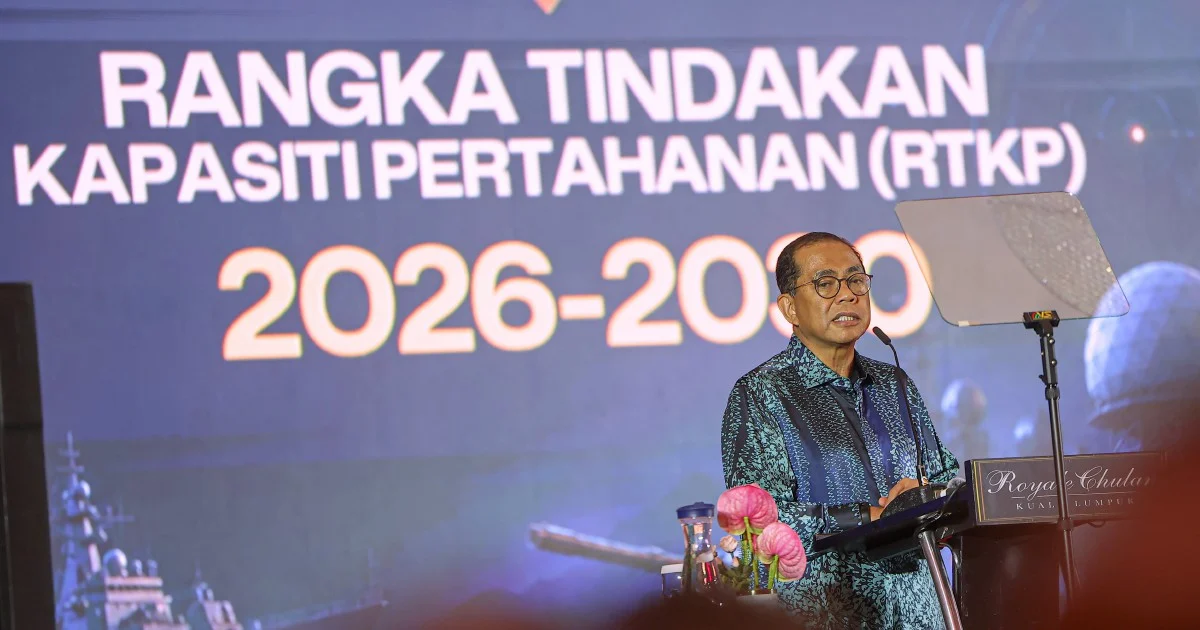
The Malaysian government has indicated its readiness to engage with Norway in resolving a significant contractual dispute that emerged when the Nordic nation withdrew a missile procurement agreement related to the navy's Littoral Combat Ship acquisition programme. Defence Minister Datuk Seri Mohamed Khaled Nordin disclosed this willingness during recent remarks, underlining Kuala Lumpur's diplomatic approach to managing the setback in what had been a major defence equipment transaction.
The LCS project represents a cornerstone of Malaysia's maritime modernisation efforts, with the programme designed to equip the Royal Malaysian Navy with vessels capable of conducting coastal protection and regional security operations. The integration of advanced weaponry systems, including guided missile capabilities, was intended to substantially enhance the combat effectiveness of these ships. Norway's decision to rescind its contractual commitment therefore carries significant implications for the overall timeline and operational specifications of the LCS vessels currently under development or acquisition.
When a supplier nation withdraws from a defence contract, the ramifications extend beyond simple commercial inconvenience. Such reversals often reflect shifting geopolitical priorities, domestic political pressures, or reinterpretations of export control policies within the supplier country. In Norway's case, the cancellation suggests either a reassessment of defence cooperation frameworks or compliance concerns that prompted the Nordic government to reconsider its international arms supply commitments. These reversals frequently trigger complex negotiations regarding liability, compensation, and alternative procurement pathways.
For Malaysia, the LCS programme has been an ambitious undertaking aimed at modernising naval capabilities across the South China Sea and Strait of Malacca, critical maritime zones where regional navies maintain heightened operational tempos. The procurement of advanced missile systems would have provided the LCS vessels with credible defensive and offensive capabilities essential for contemporary maritime security operations. The loss of this planned armament integration now forces defence planners to consider substitute suppliers and technologies while managing potential cost overruns and schedule delays.
Malaysia's demonstrated willingness to negotiate suggests a preference for diplomatic resolution over public confrontation, reflecting Kuala Lumpur's broader foreign policy philosophy of maintaining stable international relationships. The Defence Minister's public acknowledgement of government readiness to resolve the matter signals that Malaysia views this as a resolvable disagreement rather than an irreparable rupture in bilateral defence ties. This stance prioritises pragmatism and seeks to preserve the broader defence relationship with Norway while addressing the specific contractual dispute.
The cancellation raises important questions about the reliability of international defence supply chains and the strategic vulnerabilities they create for recipient nations. Malaysia, like other mid-sized defence acquirers, depends on partnerships with capable suppliers to modernise military capabilities. When such partnerships unexpectedly dissolve, nations must either identify alternative suppliers or undertake costly redesigns of integrated weapons systems. These disruptions illustrate why many regional defence establishments increasingly seek diversified supplier relationships rather than depending on single sources for critical capabilities.
From a broader Southeast Asian perspective, the LCS dispute underscores ongoing challenges in regional defence procurement. Several Southeast Asian nations have pursued comparable modernisation programmes, and the cancellation of the Norwegian missile contract may influence how other regional navies approach similar international partnerships. The incident demonstrates that even established suppliers from developed democracies may alter course on defence contracts, prompting regional planners to build greater flexibility into long-term procurement strategies.
Norway's withdrawal may also reflect evolving European perspectives on defence exports and strategic alignment considerations. Nordic nations have traditionally been selective about defence partnerships, and recent geopolitical shifts in Europe, including concerns about global power competition and strategic autonomy, may have prompted a recalibration of arms export policies. These broader European policy movements can unexpectedly impact defence partners in distant regions like Southeast Asia, highlighting the intricate interconnectedness of global defence relationships.
The resolution path outlined by the Defence Minister will likely involve technical discussions regarding substitute weapons systems or alternative procurement arrangements. Malaysia may pursue negotiations with other established missile manufacturers from allied nations, exploring options that meet operational requirements while maintaining comparable timelines and cost parameters. Such substitutions typically require engineering assessments to ensure compatibility with LCS platform specifications and fire control systems.
Beyond the immediate technical challenges, this episode reinforces the importance of maintaining robust diplomatic channels and defence ministry relationships with traditional partners. The Defence Minister's emphasis on government preparedness to resolve the matter reflects understanding that defence partnerships depend on sustained engagement and good-faith negotiation, particularly when contractual complications arise. Malaysia's approach signals confidence that bilateral relationships can absorb such disruptions when both parties demonstrate commitment to finding workable solutions.
The resolution of this dispute will likely set important precedents for how Malaysia manages future defence procurement complications and influences broader defence industrial relationships across Southeast Asia. How successfully Kuala Lumpur navigates this challenge may provide lessons for regional peers facing similar supply chain complications. The outcome will also reflect broader patterns in contemporary international defence cooperation, where technical requirements must be balanced against diplomatic relationships and geopolitical considerations that extend well beyond the specific military equipment involved.

