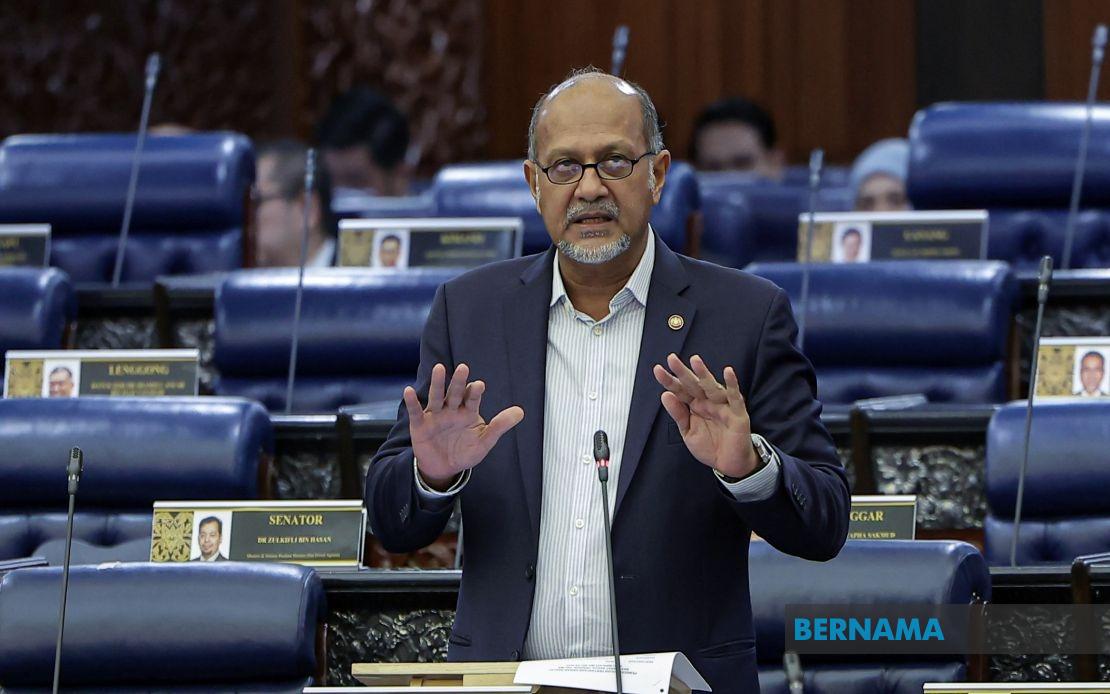
Malaysia's government is pursuing a comprehensive two-pronged strategy to manage the risks inherent in artificial intelligence technology, combining enforcement of existing legal frameworks with the development of a dedicated AI Governance Bill. Digital Minister Gobind Singh Deo outlined this integrated approach during parliamentary proceedings on June 22, emphasizing that the simultaneous advancement of both avenues will create complementary safeguards against emerging technological threats while maintaining space for innovation.
The escalating concern over AI-enabled crimes prompted Wong Shu Qi, the Member of Parliament for Kluang, to query whether the proposed legislation would specifically criminalise the misuse of AI systems. Among the particular threats identified were the creation of deepfake child sexual abuse material, fraudulent identity impersonation, and the non-consensual distribution of intimate imagery. Gobind's response revealed that the government acknowledges these specific harms and intends to address them through a layered regulatory architecture that does not rely solely on new law-making.
The existing legal framework already contains provisions that prosecutors can leverage against content-based crimes, and the Digital Minister emphasized that this reservoir of established law remains a critical tool for immediate enforcement. However, the inadequacies of older legislation in addressing novel technological manifestations have become apparent, prompting the government to architect a complementary AI Governance Bill that specifically contemplates the lifecycle of artificial intelligence systems. This approach reflects growing international consensus that AI regulation cannot be effectively achieved through legacy statutes alone, yet equally that hastily constructed new laws risk stifling beneficial development.
Gobind articulated the government's intent to establish protective mechanisms at multiple stages of AI development and deployment. Rather than focusing narrowly on punishing downstream misuse, the proposed framework would incorporate safety assessments during the model development phase itself, ensuring that datasets, algorithmic design, and training methodologies incorporate privacy and security protections from inception. This upstream regulatory posture represents a sophistication in thinking that extends beyond reactive prosecution to embrace preventive governance architecture.
The question of whether Malaysia's approach would prioritize AI sovereignty—raised by Machang Member of Parliament Wan Ahmad Fayhsal Wan Ahmad Kamal—touches upon the delicate balance between protecting domestic technological capacity and ensuring interoperability with international standards. Gobind's response suggested that the government interprets AI sovereignty as encompassing secure ecosystem development rather than isolationist protectionism, indicating openness to frameworks that strengthen local capabilities while remaining engaged with global governance norms. This positioning matters significantly for Malaysian businesses and startups operating in the regional AI economy.
The cross-sectoral nature of artificial intelligence creates particular regulatory complexity, as the technology pervades finance, healthcare, manufacturing, education, and public administration simultaneously. Gobind acknowledged this reality by emphasizing the need for holistic oversight spanning the entire value chain from development through deployment. This systemic perspective demands coordination across multiple government agencies and regulatory bodies, a challenge that the proposed AI Governance Bill must address through clear delineation of responsibilities and enforcement mechanisms.
For Malaysia, which aspires to position itself as a regional technology hub, the regulatory framework adopted in the coming months will influence investment decisions by both multinational technology companies and domestic entrepreneurs. An overly restrictive approach risks driving AI development to more permissive jurisdictions, while inadequate safeguards could expose citizens to emerging harms that only this new generation of technology can inflict. The government's declared commitment to balancing innovation with risk control represents the policy tightrope that regulators across Southeast Asia face.
The emphasis on victim protection and individual dignity suggests that the policy framework will incorporate rights-based dimensions alongside security and sovereignty concerns. This includes explicit protections for vulnerable populations such as children, recognition of dignity harms from deepfake misuse, and mechanisms for remedying non-consensual intimate content dissemination. These protections may require creating new private rights of action or establishing specialized tribunal processes, questions that the governance bill drafting process must resolve.
Data protection emerges as a foundational element of the proposed framework, with Gobind emphasizing the importance of security assessments before product release. This reflects the reality that many AI harms flow from inadequate data governance rather than inherent algorithmic malice. Malaysian regulators will likely draw on experience from the Personal Data Protection Act 2010 while recognizing that AI systems process data in qualitatively different ways that may outstrip existing compliance architectures.
The phased regulatory approach also contemplates tightening and expanding existing legislation, suggesting that the Digital Minister does not view the new AI Governance Bill as a complete replacement for established law but rather as a complementary instrument. This modular approach permits incremental refinement of existing statutes addressing fraud, defamation, child protection, and sexual assault as AI-specific manifestations emerge. Rather than demanding wholesale legislative replacement, the government can respond more dynamically to technological evolution.
Regional implications warrant consideration, as Malaysia's regulatory decisions may influence how Singapore, Thailand, Indonesia, and other ASEAN neighbours approach AI governance. A balanced Malaysian framework that succeeds in both protecting citizens and nurturing industry could become a reference point for regional cooperation, potentially facilitating the emergence of shared ASEAN standards that enhance interoperability while maintaining diverse national prerogatives. Conversely, regulatory failure could trigger fragmented approaches that impede cross-border AI services and create compliance burdens for regional enterprises.
The timeline for completing the AI Governance Bill remains undefined, though parliamentary discussion suggests the framework is progressing through the consultation and drafting stages. This period provides opportunity for stakeholder input from technology companies, civil society organizations, academic researchers, and affected communities. The inclusiveness of this process will significantly influence whether the resulting legislation commands legitimacy across diverse constituencies and whether compliance mechanisms achieve voluntary adoption or require heavy-handed enforcement.

