Malaysia is formally pursuing compensation claims stemming from the cancellation of a procurement contract for the Naval Strike Missile system supplied by Norway's Kongsberg Defence & Aerospace AS, according to Defence Minister Datuk Seri Mohamed Khaled Nordin. The government has initiated coordinated diplomatic and legal channels through both the Defence Ministry and Foreign Ministry to address the financial implications of the scrapped deal, signalling a determined approach to resolving what represents a significant defence acquisition setback.
The Defence Minister revealed that Malaysian authorities have already notified the Norwegian government of their position and intended strategy, establishing formal notification at the outset of proceedings. This preliminary step carries considerable diplomatic weight, as it places Norway on record regarding Malaysia's grievances and creates an official framework for subsequent negotiations. By involving the Norwegian state in these discussions, Malaysia is attempting to leverage bilateral relations and diplomatic goodwill to facilitate a more favourable resolution than might otherwise be achieved through direct contractual dispute mechanisms alone.
Central to Malaysia's strategy is the request for the Norwegian government to assume a facilitating and mediating role between Malaysia's Defence Ministry and Kongsberg Defence & Aerospace. Rather than pursuing confrontational litigation, the approach seeks to position Norway as an intermediary capable of encouraging the defence contractor toward a settlement. This diplomatic tack reflects recognition that defence contracts operate within strategic bilateral relationships, and that maintaining sound ties with Norway—a NATO ally and significant defence technology supplier—requires careful calibration of claims and counterclaims.
The decision to pursue compensation carries implications beyond the immediate financial recovery. Cancelling major defence procurement contracts typically triggers contractual penalties, termination clauses, and potential liability disputes. In this case, Malaysia must navigate not only the technical and legal dimensions of the claim but also geopolitical considerations surrounding defence industrial relationships. The Naval Strike Missile system was intended to enhance Malaysia's maritime strike capabilities, and its cancellation represents a capability gap that the country must eventually address through alternative procurement or indigenous development pathways.
The Public Accounts Committee has already engaged with the Defence Ministry on this matter, receiving a special briefing on the compensation claim and its ramifications. The committee subsequently urged the government to strengthen both mitigation and diplomatic efforts, emphasising the importance of achieving a fair resolution while protecting Malaysia's fiscal sovereignty. This parliamentary oversight signals that compensation recovery is not merely an executive prerogative but a matter of public financial stewardship requiring coordinated scrutiny across government institutions.
The PAC's emphasis on safeguarding fiscal sovereignty underscores a critical tension in Malaysia's position. The country faces pressure to recover maximum compensation for the cancelled contract, yet must simultaneously avoid positions or concessions that might compromise its autonomy in future defence decision-making or diplomatic negotiations with Norway and other partners. Balancing assertiveness with diplomatic restraint will be essential as negotiations proceed, particularly given Malaysia's broader defence modernisation agenda and its reliance on diverse international suppliers.
Defence Minister Mohamed Khaled Nordin's statement that Malaysia is "committed to resolving this matter" reflects official determination to extract financial recompense, yet the measured tone and emphasis on facilitating rather than confrontational approaches suggests the government is conscious of relationship management alongside claim vindication. The Defence Ministry and Foreign Ministry's coordinated notification strategy indicates a structured effort to avoid escalation while maintaining clear assertion of Malaysia's position.
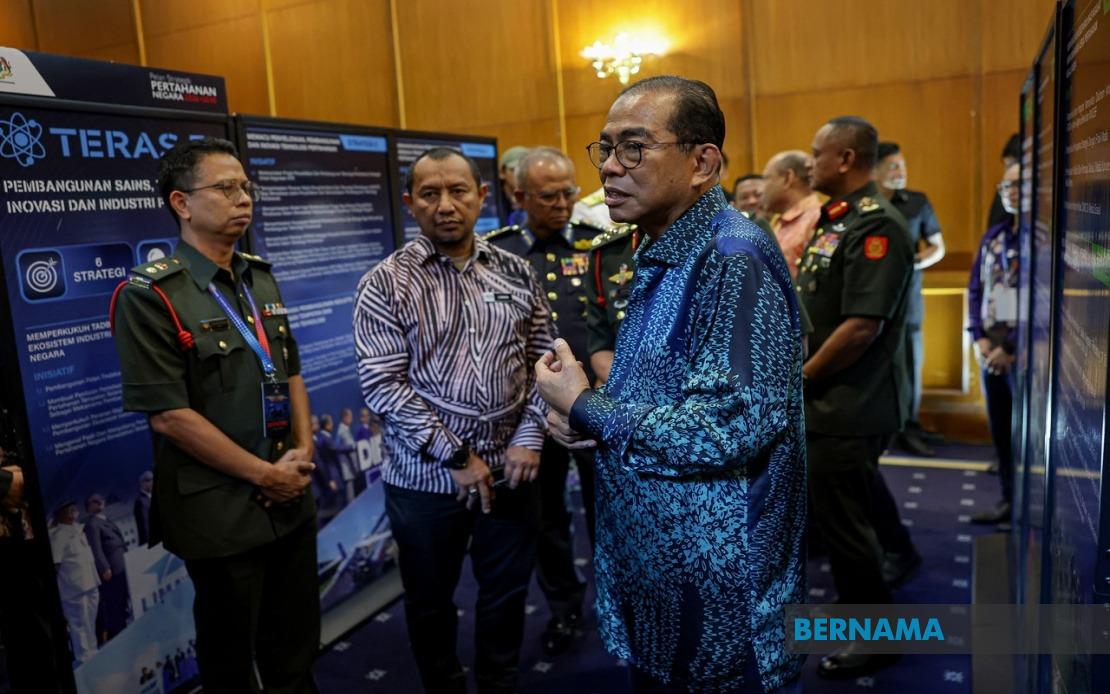
The timing of these efforts, coinciding with the launch of the National Defence Strategic Plan and Defence Capability Blueprint 2026-2030, situates the compensation claim within Malaysia's broader defence modernisation framework. The cancelled missile system represented one component of intended capability upgrades, and resolving this contract dispute will likely influence how Malaysia approaches future major defence acquisitions, particularly regarding risk allocation, termination provisions, and supplier selection criteria.
For Malaysia, securing fair compensation carries broader precedential importance within the defence acquisition context. Successful recovery demonstrates that Malaysia can protect its financial interests despite cancellations, potentially strengthening the country's negotiating position in future contracts and signalling to defence contractors that Malaysian commitments and cancellations carry mutual consequences. Conversely, inadequate compensation recovery could establish unfavourable precedent for subsequent procurement disputes.
The involvement of both Defence and Foreign Ministries reflects institutional recognition that defence contracts transcend purely technical or commercial domains. Such arrangements implicate strategic relationships, diplomatic capital, and long-term bilateral cooperation frameworks. Malaysia's dual-ministry approach indicates sophisticated understanding that maximising compensation recovery requires coordinated leverage across multiple government agencies and relationship dimensions.
Regionally, Malaysia's formal pursuit of compensation demonstrates that Southeast Asian nations increasingly assert their contractual rights against advanced industrial suppliers, moving beyond passive acceptance of commercial outcomes. This approach aligns with broader regional trends toward more assertive procurement practices and greater scrutiny of defence industrial relationships, influencing how Western defence contractors engage with Southeast Asian partners.

