%22%2F%3E%3C%2Fpattern%3E%3C%2Fdefs%3E%3Crect%20width%3D%22100%25%22%20height%3D%22100%25%22%20fill%3D%22url(%23ph11u4g)%22%2F%3E%3Crect%20width%3D%22100%25%22%20height%3D%22100%25%22%20fill%3D%22url(%23ph11u4p)%22%2F%3E%3Ctext%20x%3D%2250%25%22%20y%3D%2250%25%22%20text-anchor%3D%22middle%22%20dominant-baseline%3D%22central%22%20fill%3D%22rgba(255%2C255%2C255%2C0.95)%22%20font-family%3D%22Georgia%2C%20'Times%20New%20Roman'%2C%20serif%22%20font-weight%3D%22700%22%20font-size%3D%22170%22%20letter-spacing%3D%22-0.02em%22%3EMalaysia%3C%2Ftext%3E%3C%2Fsvg%3E)
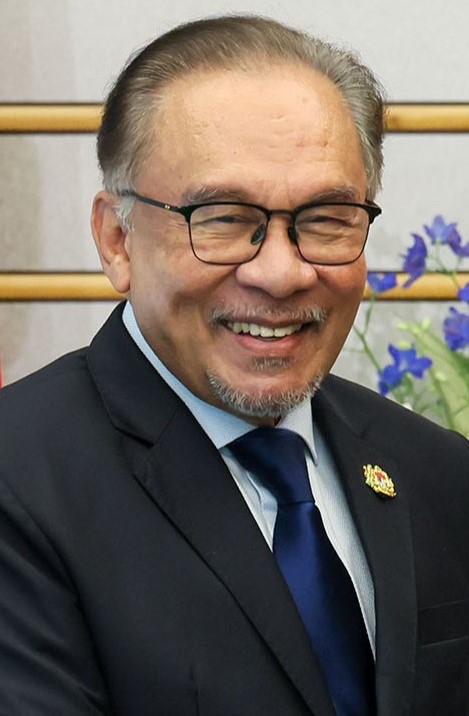
Prime Minister Datuk Seri Anwar Ibrahim has called for urgent action to establish visa-free travel arrangements and direct flight services between Malaysia and Russia, arguing that such measures are essential to reversing the country's comparatively weak performance in attracting Russian tourists. Speaking to Malaysian journalists in Kazan following his attendance at the ASEAN-Russia Commemorative Summit, Anwar highlighted the significant disparity between Malaysia's Russian visitor numbers and those of regional competitors.
The disparity in tourism flows underscores a broader challenge for Malaysia's international positioning. While Turkey receives approximately five million Russian tourists annually and Thailand welcomes around two million, Malaysia attracts merely 100,000—a figure that Anwar characterised as disappointingly low given the two nations' existing diplomatic relationship. This gap suggests systemic barriers rather than a lack of Russian interest in Southeast Asian tourism, raising questions about Malaysia's competitiveness in capturing visitor demand from a major source market.
Anwar identified multiple structural impediments hindering the flow of Russian travellers to Malaysia, with financial transactions and payment mechanisms emerging as critical friction points. The Prime Minister pointed to outdated administrative procedures and overly conservative regulatory frameworks as contributing factors to the current stagnation. These constraints, he suggested, reflect an institutional tendency to default to established protocols rather than adapting to contemporary traveller expectations and cross-border commerce realities.
The Prime Minister's remarks reveal a frustration with what he characterised as self-imposed limitations rooted in excessive concern about potential negative responses from third countries. Anwar argued that Malaysia should not allow apprehension about international reactions to dictate its bilateral engagement strategy, particularly when that engagement serves legitimate economic interests. This framing suggests tension between Malaysia's desire to strengthen ties with Russia and lingering caution about how other geopolitical actors might perceive such initiatives.
The visa-free travel proposal carries particular significance within the Malaysian context, where tourism recovery remains a priority following the pandemic-induced disruptions that severely impacted the sector. The tourism industry's contribution to Malaysia's economy remains substantial, making incremental gains in visitor arrivals from high-value markets strategically important. Removing visa requirements would streamline entry procedures and reduce transaction costs for Russian citizens, lowering the psychological and practical barriers to travel decisions.
Direct flight connectivity represents the complementary component of Anwar's strategy. The absence of non-stop services between Malaysian and Russian airports compounds the visa friction, effectively pricing out price-sensitive leisure travellers and extending journey times in ways that competing destinations do not impose. Turkish and Thai success in attracting Russian tourists owes partly to their existing direct flight networks, which have been developed over decades of commercial aviation relationships. Malaysia's relative isolation on this front places it at a competitive disadvantage that visa liberalisation alone cannot fully overcome.
Anwar's invocation of Iran as a comparable case—another country facing similar constraints—broadens the implications of his argument. The reference suggests that Malaysia perceives certain geopolitical complications as overblown or unnecessarily restrictive, particularly when they impede mutually beneficial economic relationships. This positioning reflects a growing Malaysian emphasis on pragmatic engagement rather than ideological constraint, a shift evident across multiple dimensions of the nation's foreign policy in recent years.
The ASEAN-Russia Commemorative Summit context adds weight to these proposals. The gathering provided an opportunity for direct diplomatic engagement with Russian counterparts, enabling discussions about practical mechanisms for deepening bilateral ties beyond formal political dialogue. Tourism and aviation connectivity represent tangible areas where progress could demonstrate substantive commitment to improved relations, translating diplomatic rhetoric into concrete benefits for citizens of both nations.
Implementing Anwar's vision would require coordination across multiple Malaysian agencies, including the Immigration Department, the Civil Aviation Authority, and the Ministry of Transport. Payment system modifications may necessitate engagement with banking regulators and financial institutions to facilitate transactions in Russian currency or through alternative payment channels currently restricted by compliance frameworks. Such coordination has historically proceeded slowly in Malaysia, suggesting that acceleration will demand unusually high-level political attention.
The broader geopolitical context cannot be ignored. As Malaysia navigates great power competition while maintaining its traditional non-aligned posture, deepening Russian engagement through tourism and aviation connectivity signals both openness to diversifying international partnerships and confidence in managing potential third-country sensitivities. The timing of Anwar's statements reflects Malaysia's calculation that such engagement serves national interests and aligns with ASEAN's own stated commitment to constructive relations with Russia.
From a Southeast Asian perspective, Malaysia's experience offers lessons relevant to other nations seeking to optimise tourism capture from Russian and other markets facing travel restrictions elsewhere. The combination of visa facilitation and aviation infrastructure development has proven effective in Thailand and Turkey, suggesting a replicable model. Successful Malaysian implementation could establish a template for regional governments pursuing similar diversification strategies.
The path forward will likely involve phased implementation rather than comprehensive simultaneous liberalisation. Initial steps might include bilateral discussions on bilateral air service agreements, exploration of visa-on-arrival arrangements as an interim measure, and regulatory refinements to simplify payment processing. Anwar's public advocacy signals his personal investment in the initiative, potentially providing the political momentum necessary to overcome bureaucratic resistance and establish this as a meaningful priority within government operations.