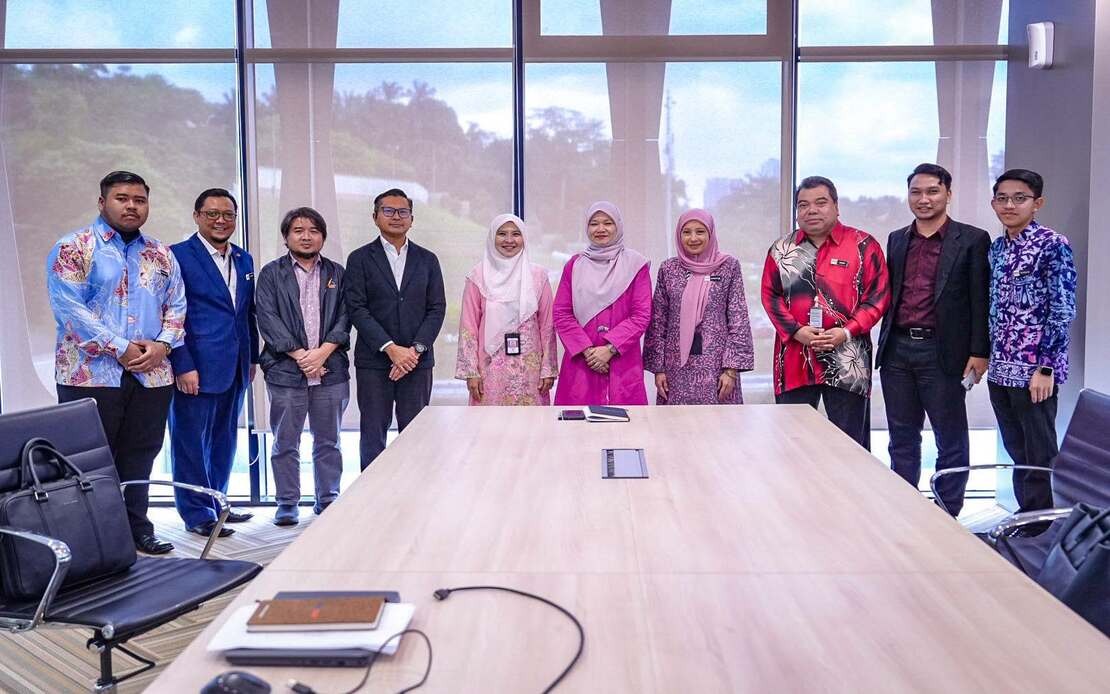
Malaysia is embarking on a comprehensive awareness campaign to strengthen child protection across schools, with Education Minister Fadhlina Sidek announcing plans to roll out coordinated advocacy programmes focusing on three critical pieces of legislation. The initiative, confirmed following a meeting with the Human Rights Commission of Malaysia (SUHAKAM), will centre on the Child Act 2001, the Anti-Bullying Act 2026, and the Sexual Offences Against Children Act 2017, bringing together two major governmental institutions in a unified effort to safeguard young Malaysians.
The collaboration emerged from discussions between Fadhlina and a SUHAKAM delegation headed by Children's Commissioner Dr Farah Nini Dusuki and Dr Mohd Al Adib Samuri. These high-level talks underscored the urgency of addressing escalating concerns around bullying and sexual harassment in educational settings, challenges that have become increasingly visible across Malaysian schools in recent years. The partnership reflects a strategic recognition that legal frameworks alone cannot protect children without comprehensive public understanding and institutional commitment to enforcement.
The Child Act 2001 remains the foundational legislation governing child welfare and protection in Malaysia, establishing rights and responsibilities across family structures, custody arrangements, and state intervention in cases of abuse or neglect. However, gaps in awareness among educators, parents, and children themselves have often limited its effectiveness. The upcoming advocacy push aims to bridge this knowledge deficit by ensuring that those working daily with young people understand their obligations under the law and the mechanisms available to report violations.
The Anti-Bullying Act 2026 represents more recent legislative innovation, introduced to tackle the growing epidemic of peer violence, cyberbullying, and psychological harm in schools. Unlike earlier approaches that treated bullying as a disciplinary matter, this legislation criminalises persistent harmful behaviour and provides victims with legal recourse. Yet implementation has been uneven, with many schools unclear about procedures for reporting incidents, distinguishing bullying from normal conflict, or supporting affected students. The advocacy campaign will provide crucial clarification on these practical dimensions.
Sexual offences against children constitute perhaps the most serious protection concern. The Sexual Offences Against Children Act 2017 establishes comprehensive prohibitions and penalties, yet enforcement and awareness gaps persist. Teachers and school administrators often lack training in recognising warning signs of abuse, responding to disclosures, or navigating reporting procedures without compromising investigations. For children themselves, understanding what constitutes inappropriate conduct and knowing how to seek help remains inadequate across many Malaysian schools, leaving vulnerable young people without the knowledge needed to protect themselves.
Fadhlina emphasised that collaboration between the Education Ministry and SUHAKAM must intensify to achieve comprehensive awareness across all educational levels. This signals a move beyond top-down policy enforcement toward grassroots cultural change within schools. Such multi-institutional partnerships have proven effective in other jurisdictions, where human rights bodies bring expertise in children's rights frameworks while education ministries command the infrastructure and access needed to reach teachers, administrators, students, and parents at scale.
The emphasis on creating a safe learning environment reflects growing recognition that child protection extends beyond legal compliance to encompass school culture, peer relationships, and institutional practices. Malaysian schools increasingly face pressure to address not only traditional forms of bullying but also cyberbullying, which operates outside school boundaries yet profoundly affects student wellbeing. Sexual harassment, including inappropriate comments and unwanted physical contact, has emerged as a widespread problem that many institutions have historically minimised or ignored.
For Malaysian educators, this initiative comes as welcome clarity on expectations and available tools. Teachers frequently report uncertainty about their legal responsibilities, the boundary between discipline and abuse, and procedures for escalating concerns. Professional development programmes accompanying the advocacy campaign will likely prove essential for translating legislation into consistent school-based practice. Without such training, even well-intentioned educators may unintentionally enable abuse through inaction or inadequate reporting.
The campaign also addresses a critical gap in child agency and empowerment. Many Malaysian children remain unaware of their rights under existing legislation, the distinction between acceptable and unacceptable behaviour from peers or adults, or the formal channels available for reporting concerns. Peer-to-peer education, age-appropriate awareness materials, and accessible reporting mechanisms can transform how students understand and respond to harmful situations within their own communities.
For parents, the advocacy programme offers an opportunity to understand their role in supporting implementation. Families represent the first line of defence against child harm, yet many Malaysian parents lack knowledge of warning signs, how to discuss sensitive topics with children, or steps to take if abuse is suspected. Community-level awareness can reduce stigma around disclosure and create networks of support that complement institutional safeguards.
The timing of this announcement reflects broader regional momentum around child protection. Southeast Asian nations increasingly recognise that childhood safety requires integrated approaches spanning legislation, institutional capacity, community awareness, and child participation. Malaysia's education sector, reaching millions of young people daily, represents the logical focal point for such efforts, as schools uniquely combine access to children, responsibility for their welfare during schooling hours, and potential to influence social norms around respect and safety.
Implementation challenges remain significant. Rolling out effective advocacy programmes across Malaysia's diverse education landscape—encompassing public schools, private institutions, vernacular education, and varying levels of resource availability—will demand sustained funding, coordinated training, and mechanisms for monitoring effectiveness. Success will ultimately depend on whether legislative awareness translates into changed behaviour among school staff, improved reporting of concerns, and tangible improvements in child safety and wellbeing across Malaysian educational institutions.

