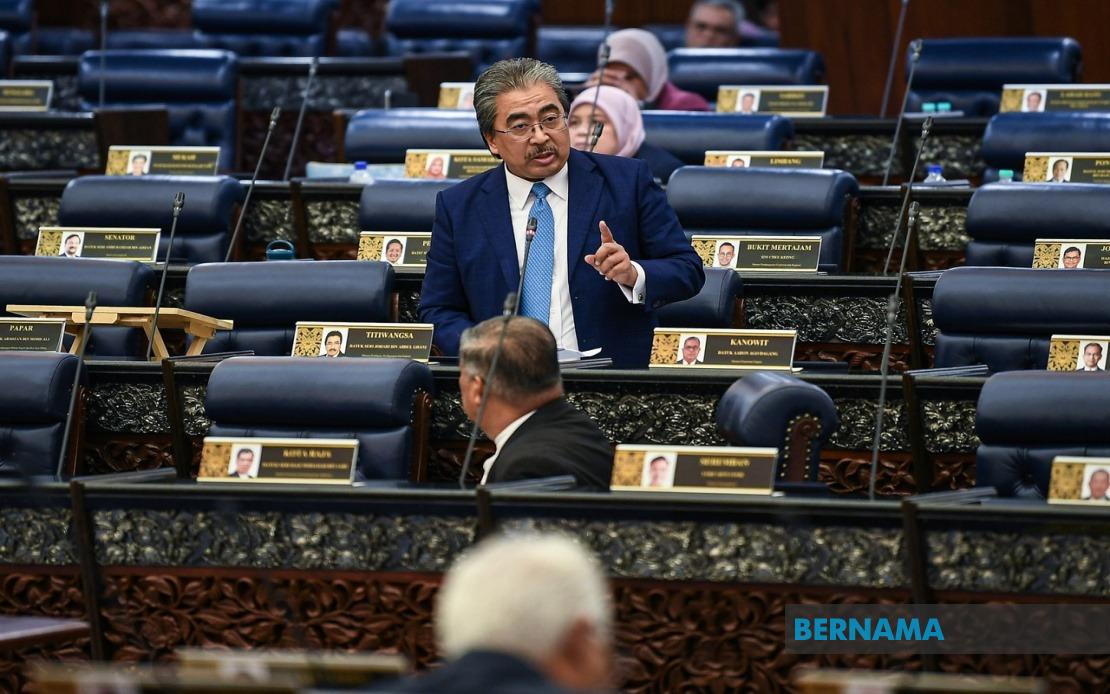
Malaysia is moving to establish a legal framework that will prohibit the importation of goods manufactured through forced labour, a development that reflects growing international pressure on the country's trade practices. Investment, Trade and Industry Minister Datuk Seri Johari Abdul Ghani announced during parliamentary proceedings that the government recognises the need for protective measures to align with international standards and meet the expectations of key trading partners, particularly the United States.
The initiative centres on an Inter-Agency Task Force on Forced Labour, which the Ministry of Investment, Trade and Industry will direct. This body brings together expertise from multiple government agencies, creating a comprehensive approach to addressing what has become a significant trade compliance issue. The Financial sector joins forces with Foreign Affairs, Home Affairs, Human Resources, and Transport divisions, each contributing relevant oversight capabilities. Supporting institutions including the Attorney-General's Chambers, Royal Malaysian Customs Department, Malaysian Border Control and Protection Agency, Royal Malaysian Police, the Malaysian Investment Development Authority, and the Malaysian External Trade Development Corporation will furnish investigative and enforcement resources.
Currently, Malaysia lacks any statutory prohibition or institutional mechanism specifically targeting forced labour in imported commodities. This absence places the country at a disadvantage as global supply chain scrutiny intensifies and trading blocs demand stronger governance safeguards. The omission is particularly problematic given Malaysia's position as a significant trading hub in Southeast Asia, where supply chain transparency and ethical sourcing practices increasingly influence investment flows and market access.
The urgency of Malaysia's response stems directly from escalating American trade actions. In June 2026, the United States announced preliminary findings from a sweeping investigation examining 60 countries' compliance with forced labour import restrictions. Malaysia emerged among 54 nations identified as lacking specific legal frameworks to prevent such goods from entering their markets. A further six countries possessed legislation but faced allegations of inadequate enforcement. This classification carries serious consequences for Malaysian exporters and broader economic interests.
The most immediate threat materialises through a pending Section 301 investigation outcome. American officials have signalled a preliminary 10 percent indicative tariff targeting Malaysia, with the imposition date set for after July 24. Such duties would fundamentally disrupt trade relationships and impose significant costs on Malaysian manufacturers, particularly those in labour-intensive industries. The tariff threat reflects American determination to enforce compliance across its trading partners' import regimes, making Malaysia's proactive stance necessary for economic protection.
The investigation landscape appears bifurcated, with officials indicating that the forced labour component is nearing completion while market access investigations continue in parallel. This distinction matters significantly because the forced labour findings likely trigger the tariff schedule sooner, creating time pressure for Malaysian institutions to demonstrate meaningful progress. By developing and implementing a mechanism before the July 24 deadline, Malaysia could potentially negotiate more favourable treatment or demonstrate good-faith efforts to American trade authorities.
For Malaysian businesses, the implications extend beyond immediate tariff exposure. International supply chains increasingly exclude suppliers from countries lacking forced labour safeguards, with major multinational corporations establishing strict sourcing requirements. Electronics manufacturers, textiles producers, and agricultural exporters operating from Malaysia face customer demands for documented compliance with forced labour prohibitions. The new mechanism, once operational, will provide Malaysian companies with certification capacity that enhances competitiveness in global markets demanding ethical sourcing credentials.
The broader Southeast Asian context amplifies Malaysia's situation. As regional trading networks become more integrated and as American trade policies create ripple effects across the bloc, neighbouring countries observe Malaysia's response carefully. Thailand, Vietnam, Cambodia, and Indonesia face similar investigations and tariff threats. Malaysia's institutional approach may establish a template that other regional economies adopt, shaping how Southeast Asian nations collectively respond to international labour standards enforcement. The mechanism therefore carries significance beyond bilateral Malaysia-United States relations.
Implementing such protections requires meaningful coordination between customs authorities, labour inspectorates, and commercial agencies. The task force structure suggests recognition that no single institution possesses sufficient mandate or expertise. Customs officials understand import documentation and commodity classification; labour ministry personnel bring knowledge of working conditions and supply chain practices; police resources support investigations into criminal exploitation networks. This distributed responsibility model reflects international best practices but demands effective information-sharing protocols and unified enforcement standards.
The challenge lies in translating institutional frameworks into operational reality. Malaysia must develop risk-assessment procedures identifying high-risk product categories and source countries, establish verification protocols for supplier claims about labour practices, and create enforcement mechanisms with real consequences for importers who circumvent restrictions. These systems require investment, training, and cooperation with source countries whose manufacturers feed into Malaysian supply chains. Bangladesh, Myanmar, and other regional suppliers employ significant numbers of workers in conditions ranging from poor to exploitative, creating complex sourcing challenges.
International precedent exists but proves incomplete. The European Union operates forced labour import restrictions within its broader trade compliance framework, though enforcement remains inconsistent. The United States itself implemented Uyghur Forced Labor Prevention Act measures targeting specific regions, creating operational models Malaysia might study. However, adapting these approaches to Malaysia's distinct trade relationships and enforcement capacity requires substantial technical work. The task force timeline remains unstated, leaving uncertainty about whether meaningful regulations could deploy before July 24.
For Malaysian consumers and investors, the mechanism represents necessary alignment with global standards. Goods produced through exploitation impose hidden costs—poverty wages, unsafe conditions, limited opportunities—that manifest in supply chains reaching Malaysia. Legal prohibitions on imports made under these conditions signal commitment to ethical commerce. This positioning attracts investors prioritising sustainability and responsible business practices, potentially offsetting tariff impacts through improved market access elsewhere. Malaysian retailers and manufacturers increasingly emphasise ethical sourcing as competitive advantage; the import mechanism supports these commercial positioning strategies.
The government's approach demonstrates pragmatism combined with international pressure. Rather than resisting American trade investigations or dismissing forced labour concerns as external interference, Malaysian leadership recognises that protecting national trade interests requires demonstrating governance capacity. Whether the Inter-Agency Task Force generates effective mechanisms within the compressed timeline remains uncertain, but the institutional commitment signals seriousness to American negotiators and the international business community watching Malaysia's compliance trajectory.

