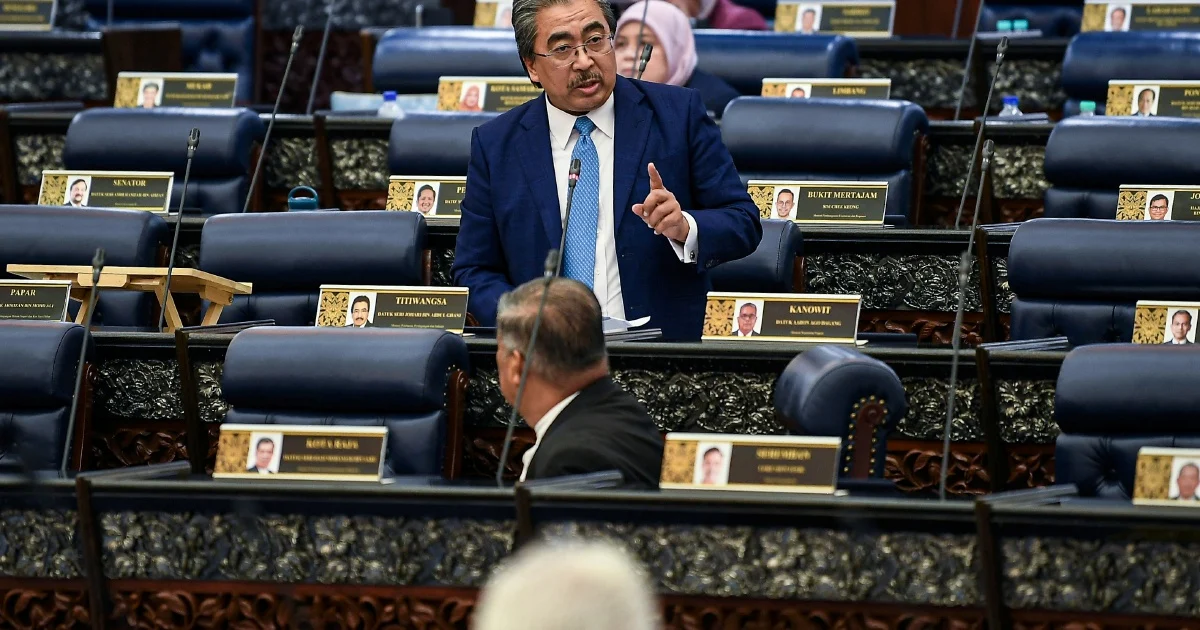
Malaysia is bracing itself for the prospect of a punitive 10 per cent tariff from the United States as a labour compliance investigation draws toward its conclusion. The probe, which has examined allegations of forced labour practices within the country, is expected to reach a decisive point after July 24, when Washington will likely determine whether to impose the trade measure if findings confirm such violations. The timing and scale of this potential tariff represents a significant threat to Malaysia's economy, which relies heavily on exports and international commerce.
The forced labour investigation has been a major concern for Malaysian policymakers and business leaders alike, threatening to disrupt bilateral trade relationships and damage the nation's reputation as a reliable trading partner. Such investigations typically examine working conditions, wage practices, worker freedom of movement, and whether employees are subjected to threats or coercion. The findings could extend beyond Malaysia's manufacturing and plantation sectors to encompass broader supply chains that international companies depend upon. For a country whose economy is deeply integrated into global trade networks, any negative determination could cascade through multiple industries.
The 10 per cent tariff figure represents a substantial commercial penalty that would directly impact Malaysian exporters and foreign companies with operations in the country. In context, tariffs at this level can significantly raise costs for imported Malaysian goods entering the US market, potentially rendering certain products uncompetitive compared to alternatives from other nations. This is particularly consequential for sectors including electronics, textiles, palm oil products, and automotive components, which form the backbone of Malaysia's export economy. Companies operating within Malaysia, whether domestically or foreign-owned, would face immediate pressure to absorb costs or pass them on to customers.
The investigation framework reflects broader American efforts to address global labour practices through trade policy mechanisms. The United States has increasingly leveraged tariff threats and trade investigations to encourage compliance with labour standards, both as a matter of domestic policy and as part of its strategic approach to international commerce. Malaysia is not alone in facing such scrutiny—numerous nations have undergone similar reviews—but the stakes remain extraordinarily high for individual countries targeted. The investigation signals Washington's commitment to enforcing labour standards through economic leverage rather than diplomatic channels alone.
For Malaysian manufacturers and exporters, the uncertainty surrounding the investigation's outcome has already created planning complications. Businesses must decide whether to invest in facility improvements and compliance measures before the determination, or wait for the outcome and risk facing tariffs if violations are confirmed. Many companies have begun implementing worker welfare programmes and enhanced monitoring systems, acknowledging that preventive action may be more cost-effective than facing subsequent trade penalties. These improvements, while potentially burdensome, align Malaysian practices with international standards and demonstrate good faith engagement with the investigation process.
The investigation also carries implications for Malaysia's broader trade relationships and standing within international commerce. Countries that successfully demonstrate commitment to labour standards often enhance their attractiveness to multinational corporations and maintain preferential trade relationships. Conversely, tariff penalties can encourage some foreign companies to relocate operations to jurisdictions perceived as having better compliance records or lower trade barriers. Malaysia's competitive position relative to other Southeast Asian manufacturing hubs like Vietnam, Thailand, and Indonesia could be affected by how this investigation concludes and how swiftly the country addresses any identified deficiencies.
Governmental response mechanisms will be crucial in the coming weeks as the July 24 date approaches. Malaysian authorities have been actively engaging with US officials to present evidence of compliance improvements and labour reforms implemented in recent years. The government's ability to demonstrate substantive action on labour standards could influence the final determination. Additionally, diplomatic channels remain open for negotiations regarding implementation timelines and any remedial measures that might be required before tariffs take effect. Officials are simultaneously preparing contingency plans should the worst-case scenario materialise, including potential retaliatory measures or appeals through international trade mechanisms.
The broader context of Malaysia-US trade relations cannot be ignored when assessing this investigation's significance. The two countries maintain substantial commercial ties, with the US representing a major market for Malaysian exports and American investors holding significant stakes in Malaysian businesses. A major tariff imposition would disrupt these established relationships and potentially invite corresponding restrictions on American goods and services entering Malaysia. Both nations have incentives to reach a resolution that addresses labour concerns while minimising economic disruption, though the divergent priorities of government agencies, businesses, and labour advocacy groups complicate negotiations.
For Malaysian workers themselves, the investigation theoretically creates an opportunity for genuine improvements in labour conditions and protections. International scrutiny can catalyse domestic reforms that might otherwise face resistance from industries accustomed to existing practices. Enhanced working conditions, improved wage structures, and strengthened worker protections would represent lasting benefits emerging from the investigation pressure. However, workers also face potential risks if companies respond to tariff threats by reducing operations or shifting investment to countries with lower compliance costs, potentially leading to job losses rather than improvements.
The period between now and July 24 will be decisive for Malaysia's economic trajectory and international trade standing. The country's manufacturing and export sectors are watching closely as negotiations continue and the investigation reaches its final phase. Whether the tariff threat materialises depends on the evidence presented, the government's documented commitment to reform, and the political priorities of the incoming US administration. The outcome will send powerful signals to other Southeast Asian nations regarding labour standard enforcement and the increasing use of trade mechanisms to achieve broader policy objectives.

