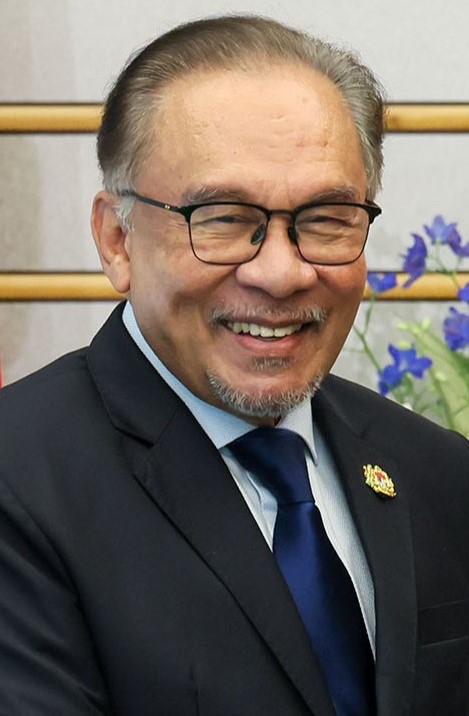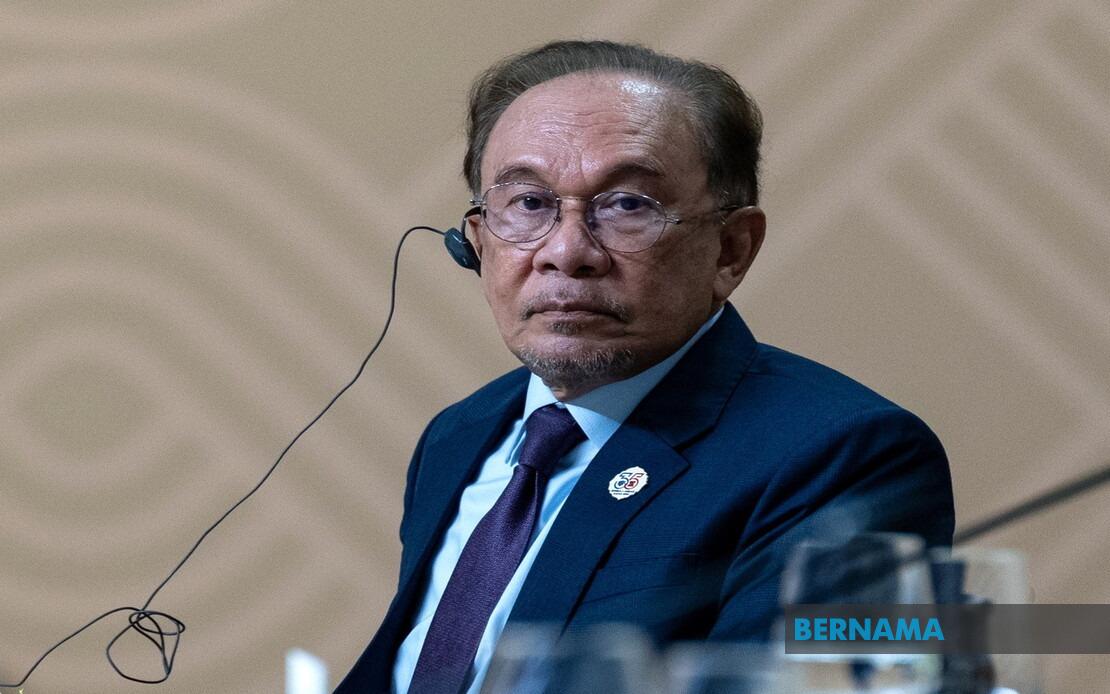
Malaysia has thrown its weight behind the prospect of a peace settlement between the United States and Iran, with Prime Minister Datuk Seri Anwar Ibrahim expressing genuine optimism about the trajectory of negotiations aimed at resolving the protracted conflict destabilising West Asia. Speaking at the 35th ASEAN-Russia Commemorative Summit in Kazan on Thursday, Anwar outlined his confidence that a memorandum of understanding could serve as a crucial stepping stone toward achieving durable stability in a region that has experienced recurring cycles of tension and military confrontation.
The Prime Minister's endorsement reflects Malaysia's broader interest in de-escalation within West Asia, a region of significant strategic importance to Southeast Asian economies and security architecture. The negotiations between Washington and Tehran carry implications far beyond the Middle East, affecting global energy markets, international trade routes, and the broader geopolitical equilibrium that impacts nations across Asia-Pacific. Malaysia's position as a non-aligned nation and active ASEAN participant gives its diplomatic voice particular weight in advocating for inclusive, peaceful resolutions to international conflicts.
Crucially, Anwar grounded his optimism in substantive intelligence gathered from direct conversations with Pakistan Prime Minister Shehbaz Sharif, who has assumed a pivotal mediating role in steering the negotiations toward conclusion. According to Anwar, Sharif has maintained comprehensive involvement throughout the negotiating process, remaining apprised of developments at every critical juncture. This insider perspective, shared confidentially with the Malaysian leader, provided the foundation for Anwar's assessment that momentum is building toward a breakthrough, despite the compressed timeframe constraining the discussions.
The negotiations operate under a stringent deadline of 60 days maximum for finalising a comprehensive agreement between the two countries. This accelerated schedule reflects the urgency both parties attach to resolving outstanding disputes, though such compressed timelines can introduce pressure that occasionally complicates reaching consensus on intricate technical and political matters. Anwar acknowledged the tightness of this window, noting that achieving substantive progress within such a brief period demands sustained commitment and flexibility from all involved parties.
Significantly, Anwar also referenced parallel discussions with Russian President Vladimir Putin, who conveyed an aligned perspective regarding the promising trajectory of the peace initiative. Russia's position as a major regional stakeholder with longstanding ties to both the United States and Iran lends credibility to such assessments. Moscow's cautious optimism, shared with Malaysia's premier during bilateral exchanges at the Kazan summit, reinforces the impression that key powers increasingly view a negotiated settlement as both achievable and desirable.
The Malaysian leader was notably careful to acknowledge the inherent unpredictability embedded in any negotiation involving the Trump administration, suggesting that while trajectory appears favourable, historical precedent counsels against excessive certainty. The Trump presidency has previously pursued unpredictable foreign policy directions, including the withdrawal from the Joint Comprehensive Plan of Action in 2018, underscoring the complexity of predicting American diplomatic outcomes. Anwar's measured approach reflected this realism while maintaining constructive hope that prevailing momentum would carry negotiations toward successful conclusion.
For Malaysia and Southeast Asia more broadly, a US-Iran peace accord would represent a significant stabilisation of international relations with direct ramifications for regional security and economic prosperity. The Strait of Hormuz, through which approximately one-third of global maritime petroleum trade transits, borders Iran and remains vulnerable to disruption during periods of heightened US-Iran tensions. Any agreement reducing confrontation in the waterway would benefit Southeast Asian nations dependent on stable energy supplies and uninterrupted maritime commerce.
Additionally, reduced US-Iran tensions would likely diminish proxy conflicts throughout the Middle East, including in Syria, Yemen, and Iraq, where regional competition has fuelled humanitarian crises and driven refugee movements affecting Southeast Asia. Malaysia, as a Muslim-majority nation with significant diaspora communities and humanitarian concerns throughout the Islamic world, has particular interest in seeing regional violence diminish and humanitarian conditions improve.
Anwar's intervention also underscores Malaysia's active diplomatic engagement beyond traditional ASEAN frameworks. By participating substantively in multilateral forums like the ASEAN-Russia summit and maintaining bilateral channels with major powers including Pakistan and Russia, Malaysia positions itself as a serious interlocutor in global affairs. Such positioning enhances the nation's ability to influence outcomes affecting its interests, while demonstrating commitment to multilateral problem-solving approaches.
The 60-day timeline introduces both urgency and opportunity for achieving what has long eluded negotiators: a comprehensive settlement addressing American security concerns regarding Iranian nuclear ambitions whilst acknowledging Iran's legitimate interests in regional influence and economic participation in international commerce. Success would require unprecedented diplomatic coordination and willingness from both parties to compromise on longstanding positions.
Looking forward, Malaysia and other ASEAN nations will likely monitor the negotiations closely, prepared to support or benefit from any positive outcomes. Should the talks succeed, Southeast Asian capitals would presumably welcome the prospect of a more stable international order permitting greater focus on regional development priorities and economic cooperation unencumbered by proxy competition among major powers.