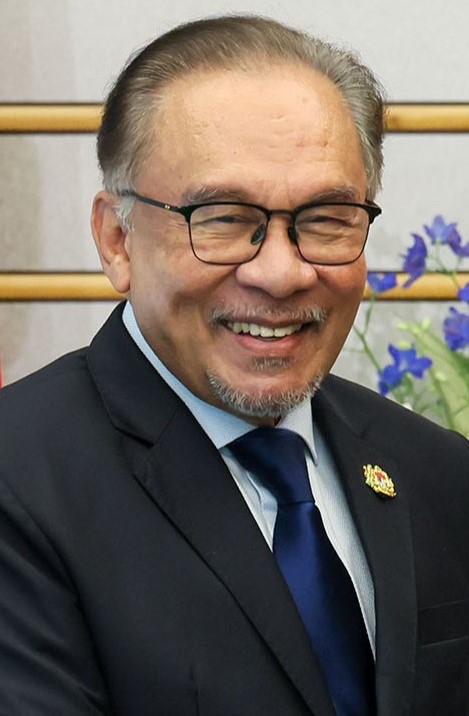
Prime Minister Datuk Seri Anwar Ibrahim has thrown Malaysia's weight behind a newly reached understanding between the United States and Iran aimed at halting their escalating hostilities, signalling regional backing for a diplomatic breakthrough that carries profound implications for global energy markets and Southeast Asian trade routes. In a statement released through social media on June 15, Anwar expressed support for the accord and acknowledged the forthcoming signing of a formal memorandum of understanding between the two powers, while specifically commending Pakistan's crucial intermediary role in facilitating negotiations that appeared increasingly urgent as regional tensions mounted.
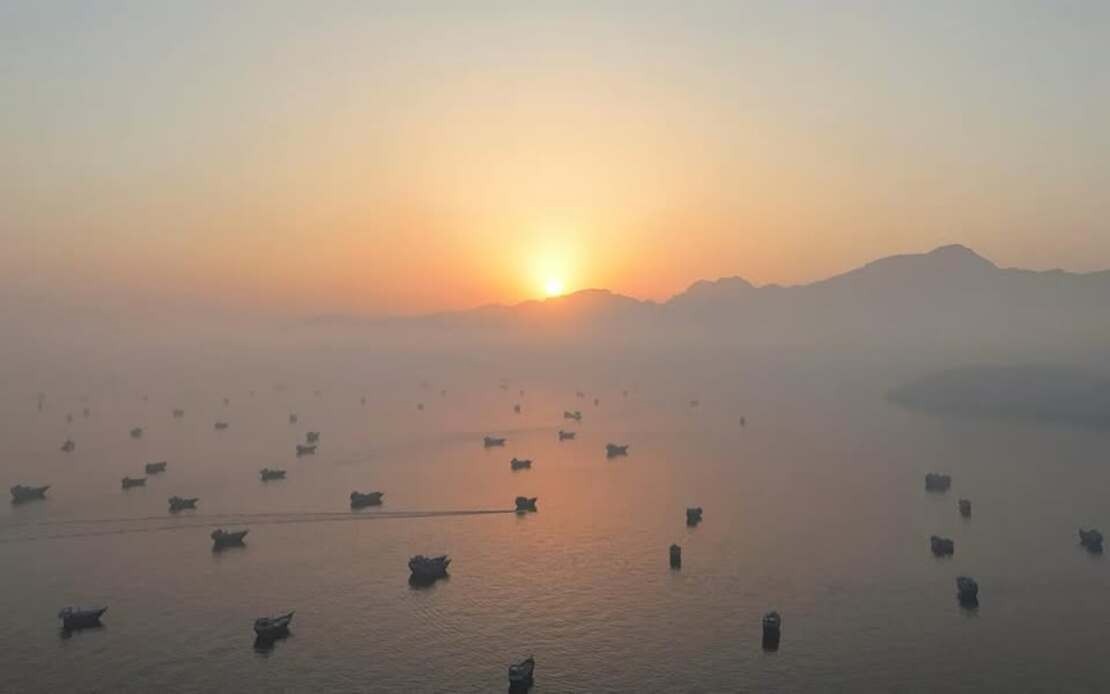
The reopening of the Strait of Hormuz to unrestricted international maritime traffic has emerged as the most pressing immediate concern from Malaysia's perspective. Anwar described the strategic waterway as a vital conduit for global energy supplies and international commerce, emphasising that sustained closure or disruption would inflict substantial economic damage across multiple regions. For Malaysia and other Southeast Asian economies heavily dependent on Middle Eastern oil and gas imports, any interruption to shipping through the strait directly threatens energy security and raises fuel costs across industries ranging from manufacturing to transportation.
The Malaysian Prime Minister articulated a carefully calibrated message emphasising the fragility of the current diplomatic moment, cautioning all stakeholders against taking unilateral actions that might undermine the fledgling agreement or reignite conflict. His reference to the need for good-faith engagement suggests awareness that mistrust between Washington and Tehran runs exceptionally deep, and that external pressure or premature escalation could easily shatter the accord before it solidifies into binding international law. This measured tone reflects Malaysia's traditional foreign policy emphasis on dialogue, multilateralism, and the peaceful settlement of international disputes.
Anwar explicitly urged the international community to maintain momentum behind the peace settlement, positioning Malaysia as a willing participant in ongoing mediation or implementation efforts. This stance aligns with Kuala Lumpur's broader diplomatic posture of engaging constructively with both Western powers and Muslim-majority nations, a balancing act that has allowed Malaysia to preserve relationships across geopolitical divides. By offering potential support, Malaysia signals that it views regional stability as a prerequisite for its own economic prosperity and that it remains committed to practical solutions over rhetorical positioning.
The broader context involves United States President Donald Trump's announcement that the agreement with Iran had been finalised, with the American administration authorising the restoration of maritime passage through the Strait of Hormuz and the lifting of its naval blockade. This reversal represents a significant diplomatic shift and potentially opens space for reduced military tensions in one of the world's most strategically contested regions. For Southeast Asia, the implications are substantial: reduced geopolitical friction in the Middle East typically translates to more stable energy supplies, lower commodity price volatility, and improved predictability for regional businesses conducting international trade.
Malaysia's explicit recognition of Pakistan's mediation efforts underscores the complex web of regional relationships that enabled the breakthrough. Pakistan's geographic proximity to both Iran and its historical ties to Islamic governance, combined with its engagement with Washington, positioned Islamabad uniquely to communicate between the parties. This acknowledgment also reflects Malaysia's understanding that multilateral diplomacy often depends upon trusted third parties willing to absorb political risk and invest sustained effort in shuttle diplomacy.
The timing of Malaysia's statement carries symbolic significance within the Muslim world and among non-aligned nations. By welcoming the accord rather than adopting a neutral stance, Anwar positioned Malaysia alongside those prioritising regional stability and pragmatic engagement over ideological confrontation. This reflects a broader Malaysian strategic calculation that peace and commerce serve Islamic nations' genuine interests far better than perpetual conflict, a position that has occasionally drawn criticism from hardline observers but remains the consistent foundation of official Kuala Lumpur policy.
The Prime Minister's caution against actions that could "derail diplomacy and renew hostilities" implicitly addresses concerns that either signatories or external actors might use military posturing to extract concessions during the implementation phase. Regional observers have noted that agreements between deeply antagonistic parties frequently encounter hurdles during execution, as technical disagreements transform into political disputes or one party claims the other violated spirit of the accord. Malaysia's preemptive warning signals that Kuala Lumpur views such friction as nearly inevitable and that international pressure to maintain discipline will be essential.
For Malaysia specifically, the potential reopening of the Strait of Hormuz carries direct economic consequences. Approximately one-third of maritime-traded oil passes through this waterway, and disruptions immediately elevate costs for petroleum-dependent economies. Malaysian industries relying on affordable energy—particularly petrochemicals, petroleum refining, and energy-intensive manufacturing—face competitive disadvantages when regional tensions spike. The accord therefore serves Malaysian economic interests quite directly, explaining why the Prime Minister's endorsement carried both diplomatic grace and underlying pragmatism.
The statement also reflected Malaysia's commitment to the principle of international law and peaceful dispute resolution, core tenets of the Malaysian foreign policy doctrine developed since independence. By emphasising that parties should "act in good faith" and avoid actions that might "renew hostilities," Anwar invoked standards of international conduct that Malaysia has consistently championed through its participation in the United Nations and regional organisations. This rhetorical positioning reinforces Malaysia's role as a responsible middle power seeking to influence global affairs through advocacy of lawful conduct rather than coercive power.
Looking forward, Malaysia's readiness to support implementation efforts suggests potential roles for Kuala Lumpur in monitoring compliance, facilitating technical discussions, or providing neutral venues for ongoing negotiations. Malaysia has hosted numerous high-level diplomatic meetings and possesses experience managing sensitive multilateral discussions, capabilities that might prove valuable should implementation difficulties arise. The offer of support thus represents both genuine commitment to regional peace and calculated enhancement of Malaysia's diplomatic profile on Middle Eastern affairs.