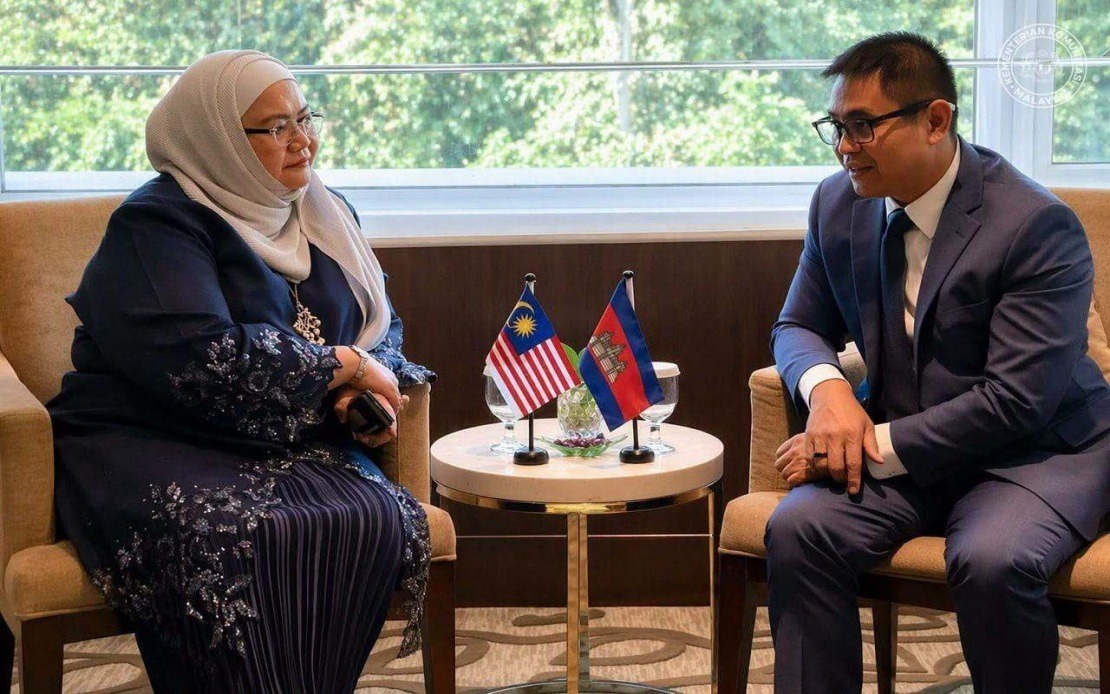
Malaysia and Cambodia have moved to operationalise a newly signed bilateral agreement governing cooperation in the information and media sectors, with officials from both countries meeting this week in Brunei to chart the practical implementation of their shared commitments. The discussion took place on the margins of the 23rd ASEAN Senior Officials Responsible for Information (SOMRI) Meeting held in Bandar Seri Begawan, bringing together senior representatives tasked with translating diplomatic intentions into concrete collaborative programmes.
The Memorandum of Understanding underpinning this cooperation was formalised on June 20, when Communications Minister Datuk Fahmi Fadzil and Cambodian Information Ministry Secretary of State Prak Thaveak Amida signed the agreement ad referendum on behalf of their respective information ministers. This formal endorsement represents a significant step in deepening Malaysia-Cambodia relations at a time when Southeast Asian nations are increasingly recognising the strategic importance of coordinated approaches to information governance and media development.
Leading Malaysia's bilateral delegation was Datuk Bahria Mohd Tamil, Deputy Secretary-General of the Ministry of Communications overseeing Strategic Communications and Creative Industry matters. His counterpart from Cambodia's delegation was Secretary of State Prak Thaveak Amida, signalling both nations' commitment to elevating these discussions to a substantive policy level rather than treating them as ceremonial exchanges. The composition of both delegations underscores the technocratic nature of the talks, focused on translating the MoU's broad frameworks into workable initiatives.
During their Brunei meeting, the two delegations examined multiple dimensions of their prospective partnership. Information exchange emerged as a foundational pillar, with both countries recognising that reliable channels for sharing verified content and journalistic practices can strengthen media ecosystems across the region. Media development cooperation was similarly emphasised, reflecting shared concerns about the sustainability of quality journalism amid declining advertising revenues and changing consumption patterns affecting newsrooms throughout Southeast Asia.
Digital transformation featured prominently in the discussions, reflecting a recognition that contemporary media challenges are inseparable from technological change. Both Malaysia and Cambodia face similar pressures as digital platforms reshape how citizens access information, and coordinated efforts to upskill journalists, newsroom managers, and regulatory bodies in navigating these transitions could yield mutual benefits. The emphasis on digital cooperation also acknowledges the role technology plays in either amplifying or mitigating disinformation and false information.
Strengthening information integrity and combating emerging threats to the media landscape formed another key discussion point. Both nations have grappled with the proliferation of false narratives, coordinated inauthentic behaviour on social media, and challenges to the credibility of news institutions. By working collaboratively on identifying best practices in fact-checking, media literacy, and regulatory frameworks, Malaysia and Cambodia can develop more robust defences against information manipulation while upholding press freedom principles.
Malaysia's Ministry of Communications characterised the bilateral engagement as reflective of the country's broader strategic commitment to regional cooperation. In official remarks, ministry officials emphasised that deepening partnership with Cambodia serves not merely institutional or sectoral interests but also strengthens interpersonal and diplomatic bonds between the Malaysian and Cambodian peoples. This framing positions media and information cooperation as vehicles for broader friendship and mutual understanding.
The timing of this MoU and its implementation discussions carries significance within the ASEAN context. At a juncture when the bloc is navigating complex digital governance questions and grappling with cross-border information flows, bilateral agreements between member states can establish testing grounds for collaborative approaches. The Malaysia-Cambodia framework may serve as a model for other ASEAN partnerships, particularly if its implementation generates tangible improvements in media capacity or information integrity.
For Malaysia specifically, the agreement aligns with the Communications Ministry's broader agenda of positioning the country as a leader in information governance and creative industries within Southeast Asia. By partnering with Cambodia, Malaysia can extend its influence in shaping regional norms around media development while simultaneously gaining insights from Cambodia's experiences and challenges. This mutuality distinguishes genuine cooperation from unilateral influence-building.
Cambodia's engagement in this partnership reflects its own recognition that media ecosystem strengthening requires external support and expertise. The involvement of the Cambodian Information Ministry at senior levels suggests receptiveness to collaborative approaches that can enhance local capacity without compromising national autonomy. For a nation working to develop its media infrastructure and regulatory frameworks, partnerships with more advanced media markets offer opportunities for knowledge transfer and institutional learning.
Looking forward, the challenge for both nations lies in translating the MoU's aspirational language into concrete programmes with measurable outcomes. This requires establishing working groups, timeline commitments, and funding mechanisms. Potential areas for collaboration could include joint training initiatives for journalists, exchange programmes for media professionals, collaborative research on regional information challenges, and coordinated approaches to digital media regulation.
The bilateral meeting in Brunei represents an important early step in transforming diplomatic commitment into operational reality. As Malaysia and Cambodia move from signing ceremonies to implementation phases, their experience will likely inform how other ASEAN member states approach similar cooperation frameworks. The success of this partnership will ultimately be judged not by the eloquence of the agreement itself but by whether it produces tangible improvements in media quality, journalistic standards, and the integrity of information ecosystems serving both nations' citizens.

