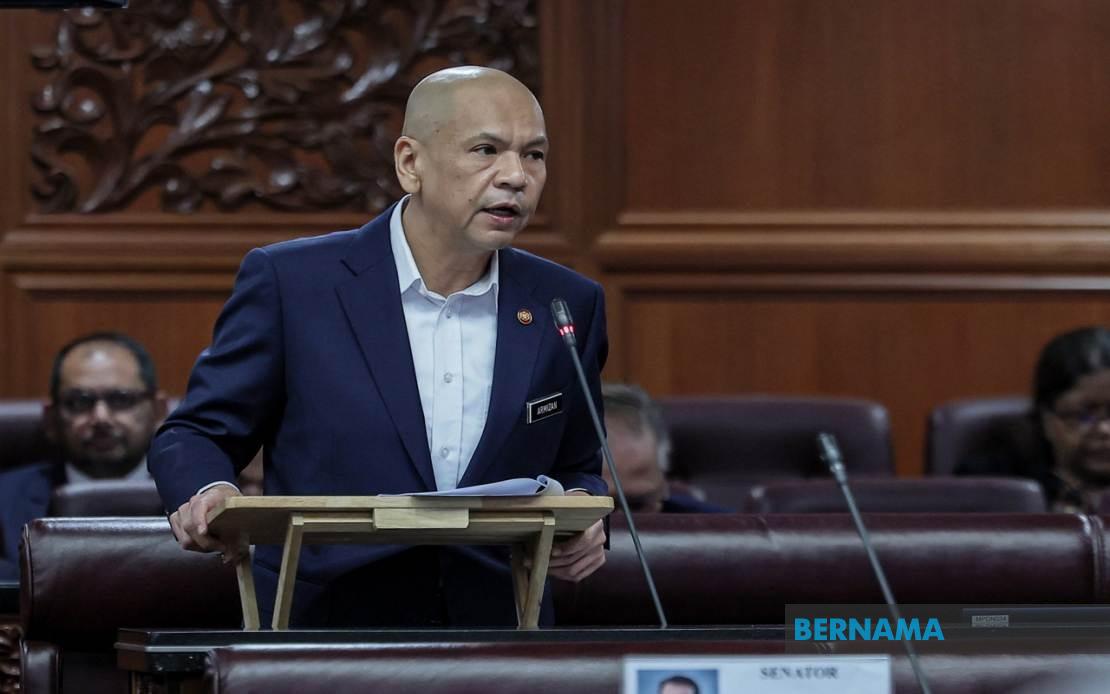
Malaysia has moved forward with significant reforms to its competition framework, with the Domestic Trade and Cost of Living Ministry tabling two amendment bills in Parliament on June 23. Minister Datuk Armizan Mohd Ali presented the Competition (Amendment) Bill 2026 and the Competition Commission (Amendment) Bill 2026 for first reading in the Dewan Rakyat, with both measures expected to advance to second reading during the current parliamentary session.
The proposed Competition (Amendment) Bill 2026 represents a comprehensive modernisation of the Competition Act 2010, addressing gaps and inefficiencies that have emerged over the past 15 years of implementation. At its core, the legislation strengthens the investigative and enforcement capabilities of the Malaysia Competition Commission (MyCC), the statutory body responsible for ensuring fair market competition. The bill also refines the internal decision-making structures within MyCC and updates the legal framework governing the Competition Appeal Tribunal, which handles disputes arising from the commission's determinations.
One of the most significant expansions introduced in Clause 3 broadens the regulatory scope substantially. Currently, the Competition Act 2010 applies primarily to commercial activities, creating potential enforcement gaps in sectors where competitive pressures exist but traditional commerce definitions may not cleanly apply. The amendment proposes extending coverage to encompass all economic activities, a change that could bring greater regulatory clarity to emerging sectors and digital economy participants operating within Malaysia's borders. This expansion acknowledges the evolving nature of economic participation and ensures competition law remains relevant as business models continue to diversify.
The bill grants MyCC enhanced investigative authority through new provisions in Clause 7, enabling the commission to demand information and documentation from individuals and government entities during market reviews conducted under the Competition Act. This power is essential for conducting thorough investigations into potential anticompetitive conduct and understanding market structure and dynamics. However, such expanded powers must be exercised judiciously, as they represent intrusions into business operations and require robust procedural safeguards to protect legitimate commercial confidentiality.
To protect the integrity of investigations, Clause 13 introduces criminal penalties for intentional destruction, concealment, defacement or alteration of data or materials aimed at misleading MyCC or obstructing its work. This provision addresses a practical enforcement challenge: unscrupulous parties may attempt to eliminate evidence when investigations commence. By establishing explicit offences with potential imprisonment or fines, the amendment strengthens MyCC's ability to pursue investigations without encountering systematic evidence destruction.
Parallel amendments to the Competition Commission Act 2010 refine the institutional architecture governing MyCC itself. Clause 8 clarifies the commission's advisory role, expanding its explicit mandate to counsel the minister, public authorities and regulatory bodies on competition-related matters spanning policies, procedures and programmes. This formalisation recognises that MyCC possesses specialised expertise in competitive market dynamics and that other government bodies benefit from competition-informed policy advice.
Clause 10 introduces functional flexibility by permitting MyCC to delegate powers and functions to its chairman, committees, officers and employees. This delegation authority facilitates more efficient operations, allowing decision-making responsibility to flow to appropriate organisational levels without requiring all determinations to reach the full commission. For Malaysian businesses and consumers, timely decision-making by a leaner process can accelerate resolution of competition-related matters and reduce administrative delays.
A particularly noteworthy reform appears in Subclause 12(a), which transfers officer appointment authority from external parties to MyCC itself, operating upon the chief executive officer's recommendation. This structural change aims to enhance transparency and accountability in staffing decisions. By internalising appointment processes, the commission gains greater control over personnel quality and consistency with institutional values, though it also concentrates appointment power within a single organisation requiring robust internal checks and merit-based selection procedures.
These legislative developments arrive at a moment when competition enforcement has gained prominence across Southeast Asia and globally. Regional economies increasingly recognise that healthy competition drives innovation, improves consumer outcomes and promotes efficient resource allocation. Malaysia's amendments position the country to address contemporary competition challenges spanning traditional monopolistic conduct, cartel activity, abuse of dominance and potentially digital platform regulation where applicable. The expanded scope acknowledges that modern competition concerns extend beyond conventional industrial sectors into services, professional regulation and digital ecosystems.
For businesses operating in Malaysia, these amendments signal heightened scrutiny and compliance obligations ahead. Companies engaging in potentially anticompetitive arrangements face enhanced detection risks given MyCC's expanded investigative access. However, legitimate competitive conduct and procompetitive collaborations face no additional burden. Consumer groups may anticipate more effective enforcement against practices that restrict choice or inflate prices through collusion or abuse. The broader regulatory reach suggests policymakers believe previous boundaries left enforcement gaps allowing uncompetitive behaviour.
The timeline for parliamentary approval remains fluid, though the government's commitment to second reading during the current session suggests legislative momentum. If enacted substantially as proposed, these amendments would represent the Competition Act's most significant evolution since its 2010 enactment, modernising legal tools and institutional structures to meet contemporary economic realities. Malaysian stakeholders across business, consumer advocacy and government should monitor the parliamentary discussion closely, as implementation details and practical enforcement approaches will significantly influence how these reforms ultimately reshape competitive dynamics within the economy.

