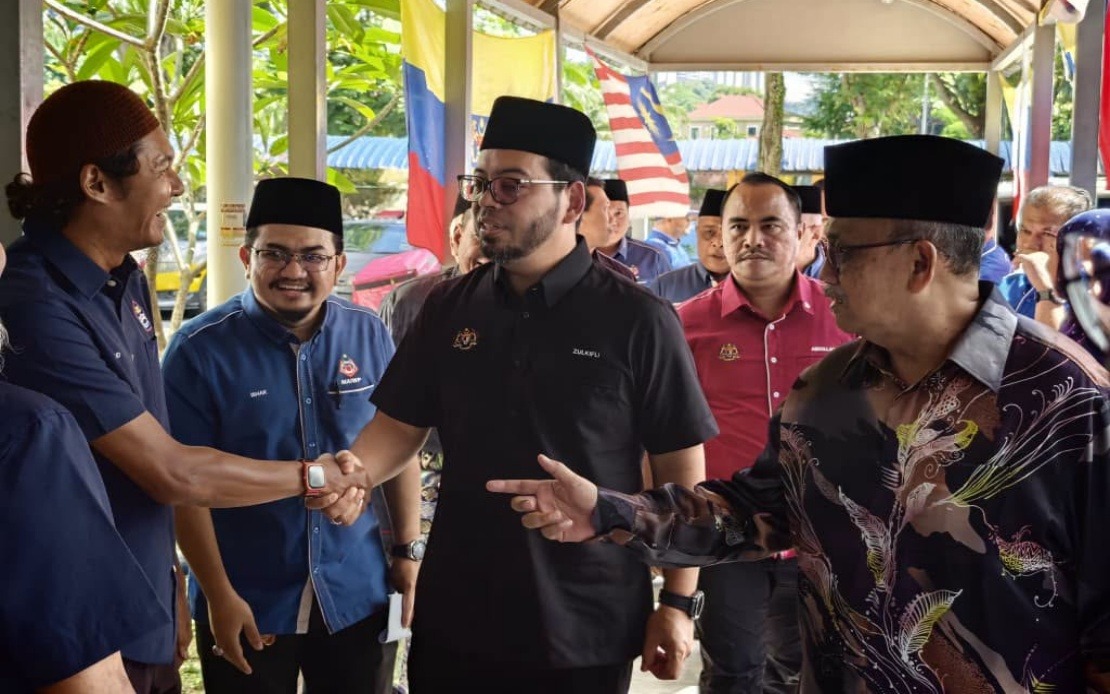
The Federal Territories Islamic Religious Council (MAIWP) has officially launched its Zakat Distribution Centre (PAZA) Batu branch, marking a significant advancement in how the institution delivers Islamic charitable assistance to residents in the capital. Located at Jalan Pelangi 10, Taman Pelangi, the facility represents a modernisation effort designed to make the zakat assistance process faster, more comfortable, and more accessible to local communities seeking support through the council's welfare programmes.
Minister in the Prime Minister's Department (Religious Affairs) Senator Dr Zulkifli Hasan officially opened the centre and emphasised its role extends well beyond a conventional service counter. According to Dr Zulkifli, the new PAZA Batu branch functions as a comprehensive community hub that engages residents through various welfare initiatives and grassroots outreach activities. This dual-purpose approach reflects a broader shift among religious authorities to position zakat distribution not merely as transactional service delivery but as a mechanism for community building and social welfare integration.
The significance of this expansion lies in MAIWP's existing distribution network and financial commitment to beneficiaries across the Federal Territories. As of mid-June, the council had already distributed RM505.6 million in zakat funds through 38 different assistance schemes and human capital development programmes. This substantial sum demonstrates the scale of Islamic charitable operations in Kuala Lumpur and underscores the growing demand for streamlined service channels, particularly in densely populated urban areas where residents face competing pressures on their time.
The inauguration ceremony itself reflected MAIWP's commitment to immediate community support. The council distributed 50 food baskets, each valued at RM100, to residents in need as part of the launch festivities. This distribution was not merely ceremonial but targeted residents within the Batu parliamentary constituency, with particular focus on those residing in the Pekan Batu People's Housing Scheme, commonly known as PPR. Such targeted assistance to public housing residents demonstrates awareness of socioeconomic vulnerabilities in Malaysia's urban lower-income communities.
Beyond the initial food basket distribution, MAIWP organised a "Ziarah Kasih" courtesy visit programme that brought council representatives directly to the homes of existing zakat recipients in the Batu area. This personalised engagement approach differs from many welfare distributions that operate on an impersonal, queue-based model. By conducting home visits, the council gathers firsthand insights into recipients' circumstances, establishes rapport, and potentially identifies emerging needs that might not surface through standard application procedures.
For Malaysian readers, this development carries implications for how religious authorities in other states might restructure their own zakat operations. The PAZA model suggests growing recognition that physical infrastructure matters in welfare delivery—a facility designed specifically for zakat distribution sends a message about institutional commitment and professionalism. As Malaysia's urban population continues expanding and zakat collections grow with economic activity, other councils may face similar pressures to invest in dedicated distribution centres rather than relying on shared office spaces or mosque-based counters.
The location itself warrants consideration. Taman Pelangi in Batu represents a mixed-income residential area with proximity to both suburban communities and the city centre. By positioning the centre in this locality rather than consolidating operations downtown, MAIWP reduces travel barriers for residents in surrounding neighbourhoods. This geographical strategy acknowledges that transportation costs and time constraints represent real obstacles for lower-income Malaysians accessing assistance, particularly those without personal vehicles or reliable public transport options.
MAIWP's expansion also reflects evolving expectations about how Islamic institutions manage public funds. The specificity of mentioning that RM505.6 million had been distributed through 38 schemes suggests institutional transparency and accountability mechanisms are becoming more prominent. Beneficiaries and the broader public increasingly expect religious bodies to document their charitable activities, demonstrate financial stewardship, and communicate their impact through quantifiable metrics.
The timing of this launch, in mid-2024, comes amid broader discussions across Southeast Asia about poverty alleviation and social safety nets in rapidly urbanising economies. Malaysia's Federal Territories, encompassing Kuala Lumpur, Labuan, and Putrajaya, represent the nation's most economically dynamic region yet paradoxically host significant populations of vulnerable residents. Institutional innovations like PAZA Batu suggest that policymakers recognise zakat—an Islamic charitable obligation—as a complementary rather than supplementary welfare mechanism that can operate alongside government assistance programmes.
Looking forward, the success of the PAZA Batu branch may influence how MAIWP prioritises further expansion. If the centre successfully reduces administrative delays, improves resident satisfaction, and enables better targeting of assistance to those most in need, it establishes a replicable model that could expand to additional neighbourhoods in the Federal Territories. The data generated from operations at this location will likely inform decisions about resource allocation and programme design across MAIWP's broader network.
For residents in the Batu area specifically, the new centre represents tangible evidence that their community warrants institutional investment. The combination of modern facilities, targeted programmes, and personalised engagement reflects a contemporary approach to Islamic welfare that acknowledges both spiritual obligations and practical logistical challenges in delivering assistance effectively across an urban landscape.

