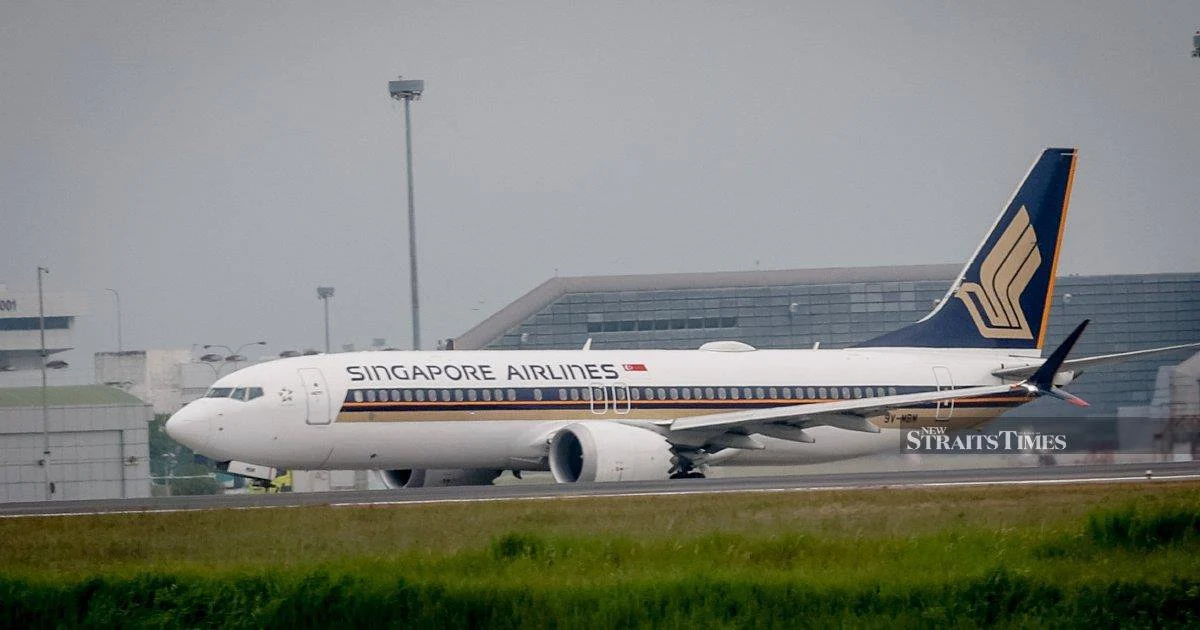
Malaysia Airports Holdings Bhd (MAHB) moved swiftly to set the record straight regarding a Singapore Airlines incident that generated considerable attention on social media platforms over the weekend. The airport operator issued a statement confirming that the tyre issue affecting the SIA aircraft occurred during the aircraft's departure phase from Singapore Changi Airport, not—as some initially believed—upon its arrival at Kuala Lumpur International Airport. This clarification addresses confusion that had circulated online following the Sunday incident.
The timing of when the tyre malfunction was discovered carries significant operational and safety implications for both airports involved. When a tyre problem manifests during the departure phase, it typically requires immediate remedial action before the flight can safely depart. Airlines must conduct thorough inspections and often perform tyre replacements on the tarmac to ensure the aircraft is airworthy before authorising takeoff. This process can cause substantial flight delays but ensures passengers remain safe throughout their journey.
Singapore Airlines, one of Asia's most reputable carriers, maintains stringent maintenance protocols across its entire fleet. The incident highlights how modern aviation safety systems are designed to detect and address potential issues before they compromise passenger safety. Tyre complications, while not uncommon in aircraft operations, are treated with appropriate seriousness given their potential consequences during takeoff and landing phases of flight.
The distinction between where the problem occurred is not merely technical but carries broader implications for airport operations and passenger confidence. Had the issue genuinely surfaced upon landing at KLIA, it would have required emergency response procedures at Malaysia's primary aviation hub, potentially disrupting operations and raising safety concerns among travelling public. MAHB's clarification therefore serves to reassure both passengers and stakeholders that standard procedures were followed at the point of origin rather than requiring intervention at the destination airport.
MAHB's prompt public response demonstrates the importance of transparent communication in managing aviation incidents and public perception. In an era where information—accurate or otherwise—spreads instantaneously across social media, airport authorities face increasing pressure to provide clear, factual updates that can counteract misinformation. The statement's swift release helped prevent further speculation and maintained confidence in KLIA's operational capabilities.
The incident underscores the interconnected nature of air travel across the Malaysia-Singapore corridor, one of the world's busiest aviation routes. Singapore and Malaysia handle millions of passenger movements annually, with countless daily flights between the two nations. Both Changi and KLIA represent critical infrastructure for regional connectivity and economic activity. Any operational disruption at either facility has ripple effects across the broader Southeast Asian aviation network.
From a broader operational perspective, the incident provides insight into how international airports coordinate during technical emergencies. While Changi handled the initial issue, KLIA's readiness to manage potential complications demonstrated the region's commitment to aviation safety standards. Both facilities operate under stringent International Civil Aviation Organization (ICAO) guidelines that ensure consistent safety protocols across borders.
Maintenance and ground support operations at major hubs like Changi involve complex coordination between multiple stakeholders. Aircraft carriers rely on ground crews, engineers, and technical specialists to diagnose and resolve issues swiftly. When tyre problems emerge, spare components must be sourced quickly, technicians must conduct inspections and replacements, and safety certification must be completed before the aircraft resumes operations. The efficiency with which Singapore Airlines addressed the situation reflects industry professionalism.
For Malaysian readers and regular air travellers on the Kuala Lumpur-Singapore route, the incident reinforces the reliability of safety systems in place at both major aviation hubs. KLIA, consistently ranked among Asia's better-performing airports, benefits from modern infrastructure and well-trained personnel capable of managing technical situations. The airport's readiness was not tested in this instance, but the incident demonstrates that procedures exist to handle potential complications.
The social media confusion surrounding this incident illustrates broader patterns in how aviation news circulates internationally. Rumours and incomplete information can spread rapidly, particularly when incidents occur at high-profile facilities serving major population centres. Authoritative statements from airport operators and airlines become essential tools for managing public understanding and maintaining confidence in the safety of air travel.
Looking forward, this incident contributes to ongoing discussions about preventive maintenance and predictive technologies in aviation. Modern aircraft increasingly employ advanced monitoring systems designed to detect component wear before failures occur. Tyre condition is routinely assessed through inspection protocols that enable technicians to schedule replacements during maintenance windows rather than responding to emergency failures. The fact that SIA's systems identified the issue before it compromised flight safety speaks to effective preventive approaches.
The Singapore Airlines situation, while resolved satisfactorily, serves as a timely reminder of aviation's safety culture. Both Changi and KLIA operate within a regulatory environment that prioritises passenger security above schedule efficiency. This commitment remains foundational to public confidence in air travel, particularly on busy regional routes where frequency and reliability directly impact business and leisure travel patterns.
As air traffic continues its recovery trajectory following recent challenges, incidents like this demonstrate that robust safety systems and transparent communication remain non-negotiable elements of airport operations. MAHB's clear statement regarding the SIA tyre issue exemplifies how proactive information management helps maintain public trust in Malaysia's aviation infrastructure.

