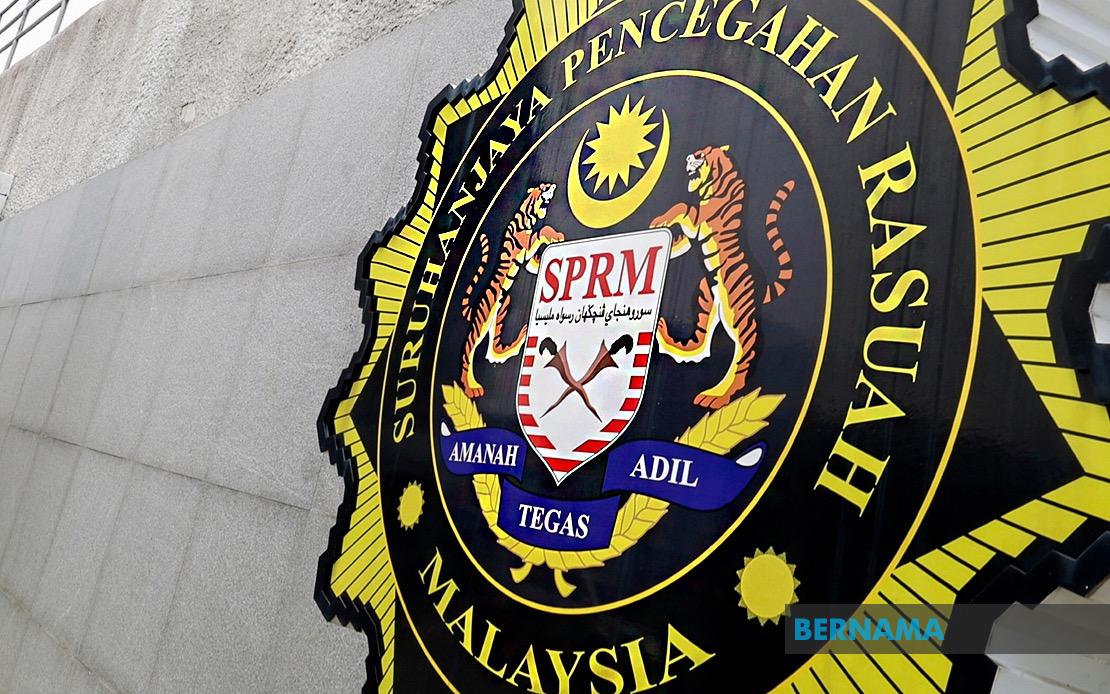
The Malaysian Anti-Corruption Commission has announced plans to establish a network of five dedicated operations rooms throughout Johor ahead of the forthcoming state election, demonstrating the anti-graft agency's commitment to maintaining electoral integrity during the critical voting period. These facilities will serve as centralised hubs where members of the public can formally lodge complaints and provide intelligence regarding any corrupt practices or misuse of authority by candidates and political parties contesting in the ballot.
The operations rooms will commence functioning immediately following nomination day on June 27 and will maintain round-the-clock availability until polling concludes on July 11. This extended operational schedule reflects the MACC's recognition that election-related corruption may occur at any hour, and that witnesses or whistleblowers may feel compelled to report misconduct at times outside conventional business hours. The continuous staffing arrangement underscores the agency's institutional readiness to respond swiftly to allegations as they emerge throughout the campaign and voting phases.
Geographically, the five operations rooms will be strategically distributed across the state to maximise accessibility for all voters regardless of their location. The primary coordination centre will function at the MACC's main Johor office in Tampoi, while satellite offices will be established in Batu Pahat, Kluang, Segamat, and Mersing. This distribution pattern ensures that residents across urban centres and more rural constituencies have convenient access to complaint mechanisms without requiring extensive travel. The decision to leverage existing MACC branch infrastructure demonstrates efficient resource management while maintaining the agency's institutional presence in key population centres throughout the state.
Beyond physical operations rooms, the MACC has implemented digital channels to facilitate reporting. Members of the public may submit complaints via the dedicated email address [email protected], providing an alternative avenue for those who prefer remote communication or wish to document their allegations in writing. This hybrid approach combining physical and digital infrastructure reflects modern governance practices and acknowledges that different demographic groups possess varying comfort levels with technology-based reporting mechanisms. The email channel also creates an auditable record of complaints that can enhance transparency and accountability in the investigation process.
The MACC has committed to investigating all information received through these channels with professionalism and transparency, adhering strictly to applicable legal frameworks. This assurance addresses a critical concern among potential whistleblowers—the fear that their complaints may be handled arbitrarily or politicised. By explicitly committing to transparent, lawful investigation procedures, the agency seeks to build public confidence in the complaint mechanism and encourage reluctant witnesses to come forward with evidence of wrongdoing. The emphasis on professional standards also signals that the MACC will distinguish between credible allegations warranting investigation and frivolous complaints designed merely to embarrass political opponents.
The timing of these preparations reflects the significance of the Johor election within Malaysia's broader political landscape. Johor represents one of the nation's largest and most economically developed states, making it a strategically important prize for competing political coalitions. The concentration of MACC resources during this election cycle demonstrates that federal authorities take seriously the responsibility to ensure that the democratic process operates within lawful boundaries. Past electoral cycles have revealed instances of candidates and party officials engaging in corrupt practices, vote-buying, and other violations that undermine fair competition and voter agency.
The MACC has explicitly warned all candidates and political parties that contesting the election does not exempt them from legal obligations. The reminder specifically references the MACC Act 2009 and the Election Offences Act 1954 (Amendment 2012), establishing the legal framework against which conduct will be measured. This preemptive communication serves both as a deterrent and as a clarification of expectations. Candidates who might attempt to exploit grey areas in the law or test the boundaries of permissible campaign conduct receive clear notice that enforcement agencies will hold them accountable for violations. The Election Commission has meanwhile confirmed that July 11 serves as the formal polling day, with early voting permitted on July 7, allowing voters employed in different constituencies or with mobility constraints to exercise their franchise.
For Malaysian and Southeast Asian observers, this institutional response illustrates how democracies attempt to manage the tension between permitting vigorous political competition and preventing corruption from corroding public trust in electoral systems. The MACC's proactive deployment of complaint mechanisms before widespread corruption can fester represents a preventive approach rather than purely reactive enforcement. This stance acknowledges that corruption investigation after elections conclude cannot undo the damage to democratic legitimacy that occurs when voters suspect the outcome was determined by unlawful inducements rather than genuine preference. Early intervention and public awareness of complaint channels may deter some would-be offenders and provide rapid feedback loops for authorities to detect and respond to emerging patterns of misconduct.
The regional context matters significantly for understanding this enforcement posture. Southeast Asian democracies have witnessed multiple instances where election-related corruption eroded institutional legitimacy and contributed to political instability. Malaysia's MACC, despite periodic criticism regarding political selectivity in prosecution, has developed institutional capacity and procedural mechanisms that exceed those available in several neighbouring jurisdictions. The establishment of dedicated election-monitoring operations rooms therefore represents regional best practice in attempting to defend electoral integrity, even if implementation effectiveness remains subject to legitimate scrutiny regarding political independence and prosecutorial impartiality.
Pubic response to these safeguards will partly depend on whether voters perceive the MACC as genuinely impartial or as serving factional interests within the ruling coalition. Trust in anti-corruption institutions reflects broader confidence in government legitimacy, and where such institutions suffer reputational damage through perceived political manipulation, their deterrent effect diminishes substantially. The success of these operations rooms ultimately depends less on their physical infrastructure or email capacity than on the MACC's demonstrated willingness to investigate credible complaints against all political actors regardless of their electoral prospects or relationship to incumbent power. Coming weeks will test whether the agency's commitment to professional, transparent investigation translates into visible action against wrongdoing.

