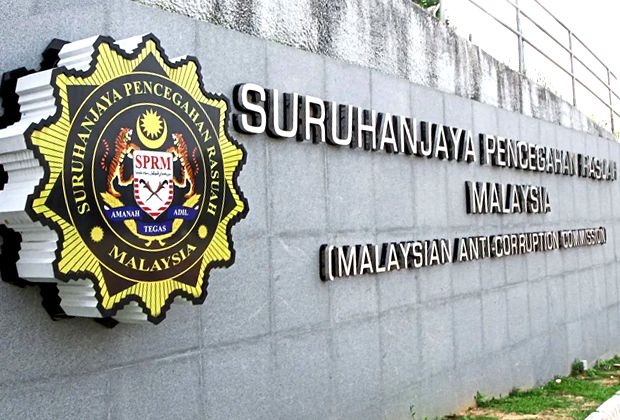
The Malaysian Anti-Corruption Commission has lifted restrictions on the bank accounts of Rohas Tecnic and its subsidiary HGPT, revoking seizure orders that had frozen the assets of both the company and current and former officers since mid-October. The decision, formalized through revocation orders issued by the Deputy Public Prosecutor, marks the conclusion of an investigation into alleged money-laundering concerns that had triggered the initial freeze.
Rohas Tecnic, a manufacturer specializing in power transmission and telecommunication towers, disclosed the development through a regulatory filing with Bursa Malaysia, signalling that all previously restricted accounts are now unfrozen and available for ordinary business transactions. The company emphasized that the lifting of these restrictions clears the way for it to resume normal operational banking and pursue its commercial activities without ongoing compliance complications.
The enforcement action began on October 17, 2025, when the MACC issued freezing and seizure orders under the Anti-Money Laundering, Anti-Terrorism Financing and Proceeds of Unlawful Activities Act 2001 (AMLA). These orders targeted bank accounts held by Rohas Tecnic, its subsidiary HGPT, and another subsidiary, Rohas-Euco Industries Bhd (REI). The breadth of the initial action—touching multiple entities and numerous personal accounts—had created substantial operational hurdles for the group's management and business continuity.
The revocation timeline unfolded across late November. On November 26, 2025, both Rohas Tecnic and HGPT received formal revocation orders under Section 50(1) of AMLA from the Deputy Public Prosecutor, effectively concluding the seizure regime that had constrained their banking activities for roughly five weeks. REI had already received its own revocation orders from the MACC a day earlier, pursuant to Section 44A of AMLA, suggesting a sequential but coordinated unwinding of the enforcement actions.
For Malaysian businesses subject to anti-money-laundering enforcement, account freezes represent significant operational and reputational challenges. Beyond the immediate disruption to cash flow and payroll administration, such measures can affect vendor relationships, loan obligations, and investor confidence. The relatively swift revocation—occurring within six weeks of the initial order—suggests either that the investigation proceeded expeditiously or that the commission found insufficient grounds to pursue formal charges, though the MACC did not publicly elaborate on the investigative findings.
The AMLA provisions invoked in this case are among the most powerful investigative tools available to Malaysian authorities combating financial crime. Section 44(1) permits the MACC to freeze accounts provisionally during investigation, while Section 50(1) allows for more formal seizure orders on the basis of suspected proceeds of unlawful activity. The subsequent revocation by the Deputy Public Prosecutor indicates prosecutorial assessment that continued restraint was unwarranted, a determination that typically follows examination of investigative materials and legal sufficiency.
Rohas Tecnic's emphasis on the restoration of normal banking and business operations reflects the practical impact such enforcement measures carry for publicly listed companies with dividend obligations, capital expenditure schedules, and employee compensation responsibilities. Listed firms facing account freezes must typically disclose the circumstances to shareholders and market regulators, creating transparency requirements that compound the operational disruption. The clearance announced today removes these lingering complications from the company's public profile.
The involvement of personal accounts belonging to company officers adds another dimension to the investigation's scope. Freezing personal bank accounts of executives signals investigative concern that may extend beyond the company's institutional finances, potentially touching on questions of personal enrichment or unauthorized transactions. The revocation of orders against these personal accounts implies that investigators found no evidence substantiating such concerns, though neither the MACC nor the company has publicly disclosed the investigative specifics.
For Southeast Asian investors and multinational corporations operating in Malaysia, this case illustrates the enforcement environment surrounding anti-money-laundering compliance. Whilst Malaysia's regulatory framework is increasingly stringent—reflecting international standards and domestic policy priorities—the revocation outcomes suggest that the system operates with procedural safeguards. Companies cleared of suspicion eventually regain unrestricted access to assets, limiting the risk that legitimate commercial entities face indefinite disruption.
The case also reflects broader regional trends in financial enforcement. Many Southeast Asian jurisdictions have substantially upgraded anti-money-laundering mechanisms over the past decade, driven by international pressure and strategic interest in combating illicit financial flows. Malaysia's AMLA framework ranks among the region's more comprehensive regimes, and high-profile investigations serve as regular reminders to companies regarding compliance obligations and the consequences of inadequate financial governance.
As Malaysia continues positioning itself as a financial hub and investment destination, the restoration of banking access for investigated companies signals that enforcement, whilst robust, is ultimately proportionate and reversible when evidence does not support ongoing action. Rohas Tecnic's return to normal operations underscores that Malaysian authorities distinguish between preliminary investigative steps and substantive prosecutorial conclusions—a distinction that investors generally regard as stabilizing rather than destabilizing.

