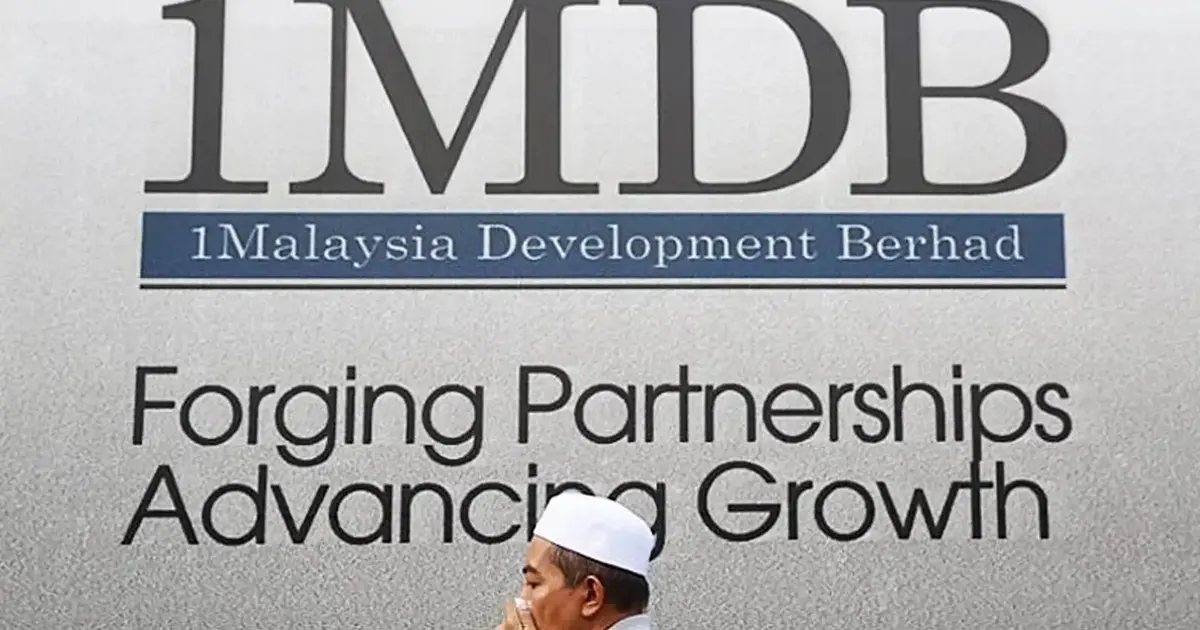
The Malaysian Anti-Corruption Commission has opened a formal investigation into a substantial portfolio of luxury properties located overseas, with combined valuations reaching RM59 million, following allegations that these assets may be connected to the 1Malaysia Development Berhad scandal. MACC Chief Commissioner Abd Halim Aman confirmed the agency's commitment to scrutinising the financial origins and ownership structures of these high-value holdings, marking another chapter in the persistent effort to uncover hidden assets potentially derived from the massive fund mismanagement that shook the nation's financial system.
The investigation encompasses multiple dimensions of financial crime, including suspected corruption, money laundering operations, and potential asset recovery proceedings. By broadening the inquiry to encompass these distinct but interconnected criminal categories, authorities are positioning themselves to pursue comprehensive enforcement action regardless of which specific statutory provisions ultimately prove applicable. This multifaceted investigative approach reflects the sophisticated nature of international asset concealment, where funds flowing through illicit channels often undergo multiple transformations across jurisdictional boundaries before final placement in physical property.
The 1MDB affair, which emerged as one of Asia's most significant corruption scandals, saw billions of ringgit allegedly siphoned from a state investment fund into private accounts and utilised for property acquisitions, entertainment investments, and financial market dealings. The case has generated extensive international cooperation, with authorities in jurisdictions ranging from Singapore to the United States pursuing parallel investigations and asset freezes. Malaysian officials have long acknowledged that comprehensive asset recovery requires identifying and tracing holdings across multiple countries, as perpetrators deliberately dispersed ill-gotten wealth geographically to complicate regulatory tracking.
Overseas property ownership has historically served as a preferred mechanism for wealth concealment within major corruption cases, offering several practical advantages over alternative repositories. Real estate transactions typically involve legitimate financial institutions and government registries, lending apparent legitimacy to proceeds originating from unlawful sources. Properties generate minimal documentation compared to cash holdings, and their values tend to appreciate over time, converting illicit capital into appreciating assets that become increasingly difficult to distinguish from lawfully acquired holdings. The geographic distance between Malaysia and these foreign properties also introduces jurisdictional complexities that can impede enforcement action.
The RM59 million valuation suggests these properties occupy premium market segments in desirable locations, consistent with patterns observed in previous 1MDB-related asset seizures. Investigators will need to establish the beneficial ownership chains for each property, identify the financial pathways through which acquisition funds were transferred, and demonstrate the connection between source wealth and ultimate property purchase. This investigative burden typically requires cooperation from foreign authorities, access to banking records across multiple jurisdictions, and expert analysis of corporate structures frequently employed to obscure true ownership.
For Malaysian citizens concerned about institutional integrity, the MACC investigation signals persistence in pursuing accountability long after initial criminal convictions occurred. The delayed identification of these properties underscores the sophisticated methods employed to conceal assets and the ongoing resource commitment required to locate hidden wealth. International cooperation mechanisms, including mutual legal assistance treaties and bilateral agreements with foreign jurisdictions, have become essential tools in modern anti-corruption enforcement, enabling Malaysian authorities to access information and pursue recovery across borders.
The asset recovery dimension carries particular significance for national treasury interests. Successfully tracing and returning misappropriated funds through civil asset forfeiture proceedings or international repatriation agreements can recoup portions of the stolen wealth, offsetting the massive fiscal damage inflicted by the original scheme. Each property identified and recovered represents not merely symbolic victory against corruption but material restoration of resources legitimately belonging to Malaysian citizens.
From a regional perspective, Malaysia's continuing efforts to prosecute and recover 1MDB-linked assets reinforce the message that sophisticated international corruption schemes carry extended consequences extending far beyond initial discovery. The case has influenced anti-corruption frameworks across Southeast Asia, demonstrating both the vulnerability of state institutions to large-scale theft and the feasibility of international cooperation in recovery efforts. Neighbouring countries have strengthened asset disclosure requirements and cross-border information sharing protocols partly in response to lessons learned from Malaysia's experience.
The investigation's scope extending to overseas properties also reflects evolving understanding of how corruption-derived wealth integrates into legitimate-appearing financial systems. By establishing connections between specific properties and the 1MDB source, investigators can potentially dismantle networks that assisted in laundering proceeds and identifying intermediaries who facilitated transactions. These networks often continue operating across multiple corruption cases, making their exposure valuable for preventing future financial crime schemes.
Citizens and observers monitoring the investigation will likely scrutinise the pace of asset recovery and whether seized properties ultimately generate funds returned to the national treasury. The complexity of pursuing cross-border asset claims through foreign legal systems frequently creates substantial delays, and some jurisdictions have resisted repatriation efforts, complicating Malaysia's recovery prospects. The MACC investigation announcement demonstrates official commitment to the process, though practical results may take considerable time to materialise.

